
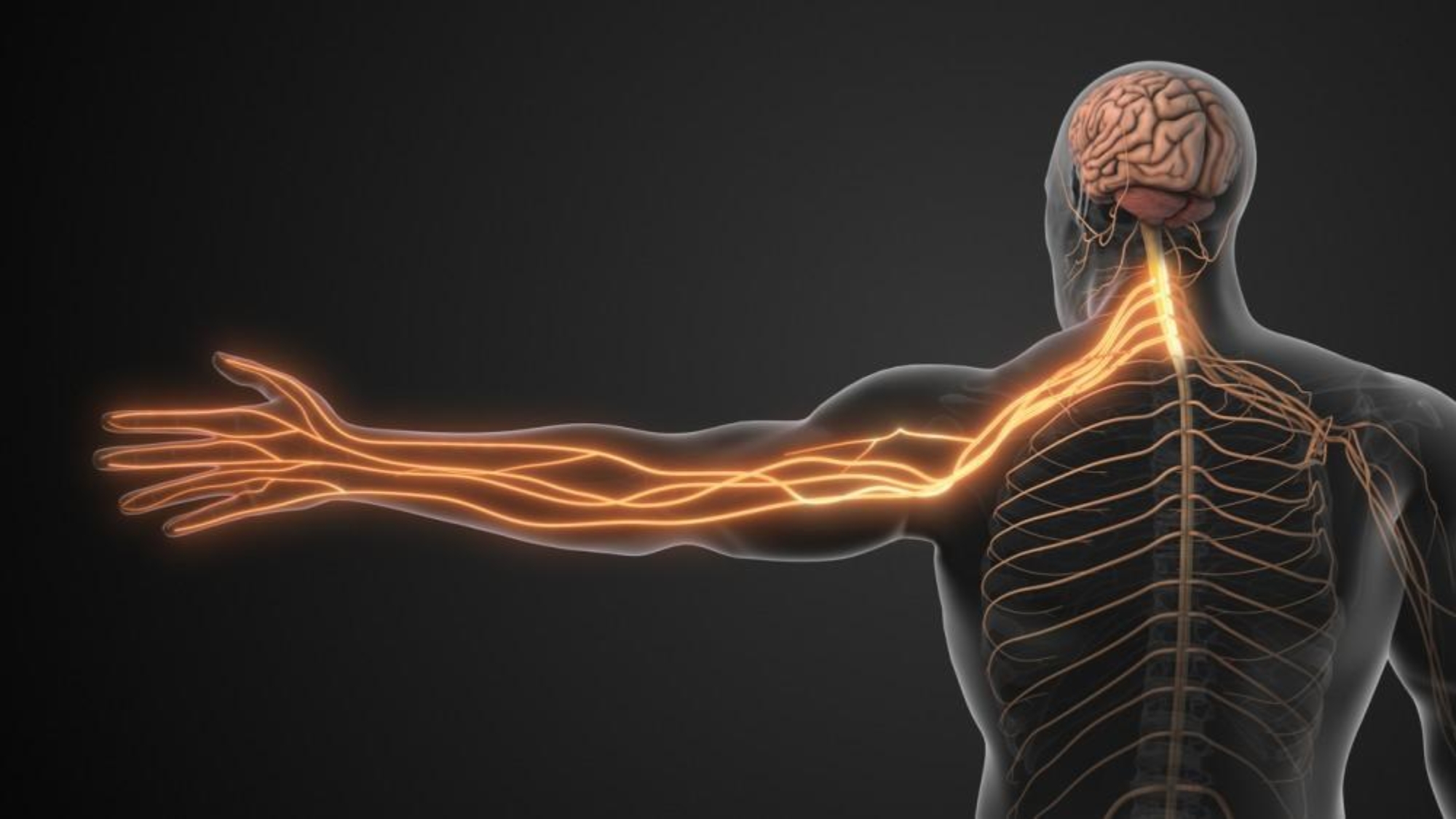
A pinched nerve can cause more than just discomfort. It can interfere with work, sleep, exercise, and everyday activities. Recognizing the symptoms early can help prevent long-term nerve damage.
A pinched nerve occurs when surrounding tissues such as bones, muscles, or discs place excessive pressure on a nerve. Common symptoms include numbness, tingling, burning sensations, weakness, and pain that travels down an arm or leg.
Several conditions may lead to nerve compression, including herniated discs, arthritis, repetitive motions, poor posture, and spinal degeneration.
Treatment depends on the underlying cause and the severity of symptoms. Many patients improve with conservative care such as physical therapy, anti-inflammatory medications, and activity modifications. In some cases, image-guided injections or minimally invasive procedures may provide significant relief.
At CWOPS, we carefully evaluate each patient to determine the exact cause of nerve pain and create a personalized treatment plan focused on restoring function while reducing discomfort.

Add a Comment