images - 2026-08-17T180153.182

Why Your Pain May Feel Different at Night

Pain can be frustrating during the day, but nighttime discomfort can be especially disruptive. When pain makes it difficult to fall asleep or repeatedly wakes you during the night, it can affect your energy, concentration, mood, and ability to function the next day.

There are several reasons pain may feel more noticeable at night.

During the day, you are usually distracted by work, conversations, movement, and other activities. Once you lie down in a quiet room, there may be fewer distractions, making existing discomfort more noticeable.

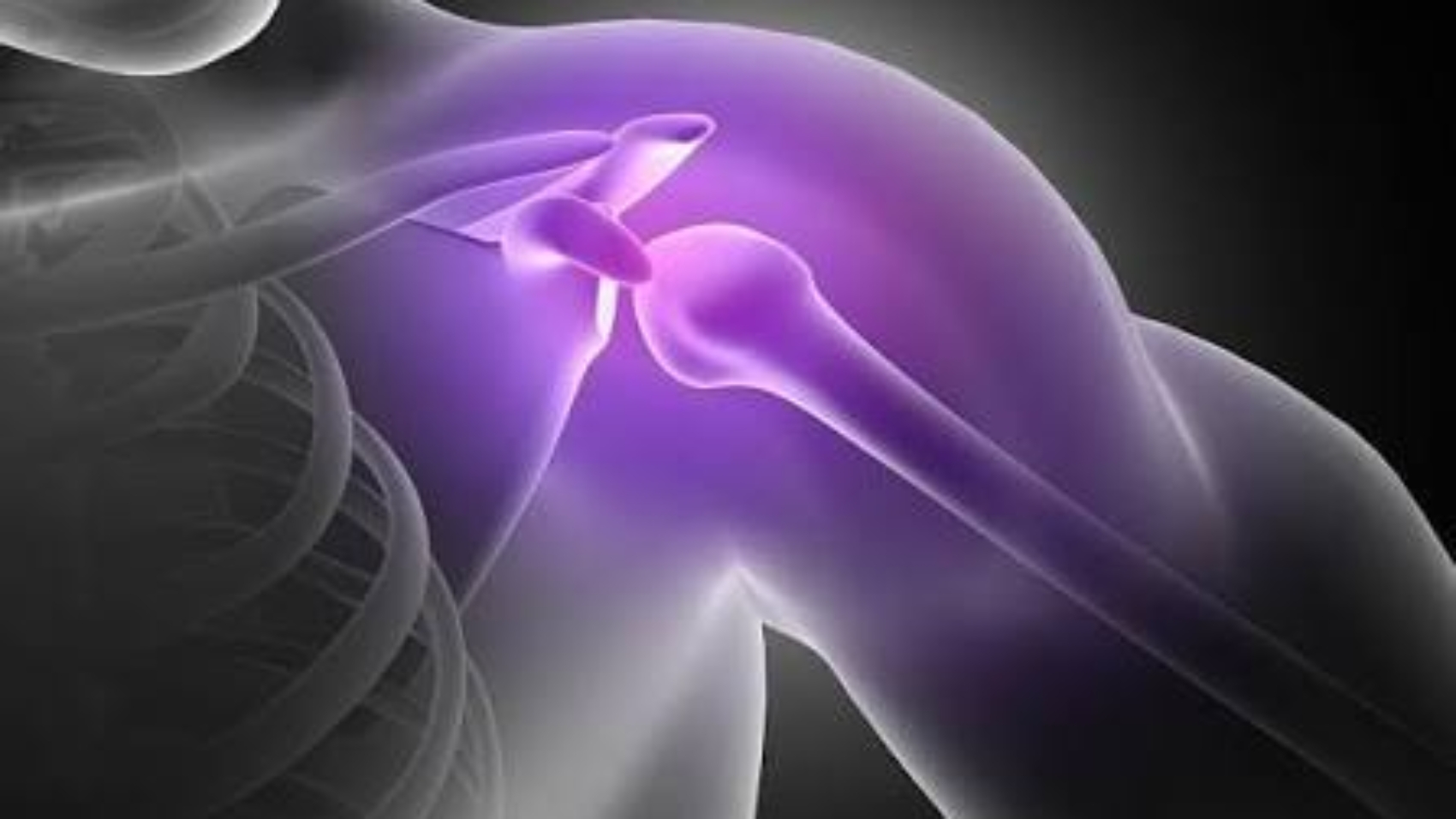
Your sleeping position can also influence symptoms. Certain positions may place additional pressure on painful joints, muscles, or areas of the spine. People with shoulder problems, for example, may experience increased discomfort when sleeping on the affected side.

Reduced movement during the night may contribute to stiffness as well. Remaining in one position for several hours can make some joints and muscles feel tight when you wake up.

Nighttime pain can sometimes provide useful information about an underlying condition. Persistent pain that regularly interferes with sleep should not simply be dismissed, particularly if it is accompanied by swelling, numbness, weakness, or significant changes in mobility.

Keeping track of your symptoms can help. Write down when the pain starts, which sleeping positions make it better or worse, and whether movement changes the discomfort. This information can be useful during a medical evaluation.

At CWOPS, providers consider the timing and pattern of symptoms when evaluating pain. Understanding when pain occurs can help determine whether the source may involve a joint, muscle, nerve, or spinal structure.

Treatment depends on the underlying diagnosis. Depending on your condition, your care plan may include physical therapy, medication management, targeted procedures, lifestyle recommendations, or other appropriate treatments.

Better sleep is an important part of overall well-being, but repeatedly using sleep as a way to simply tolerate untreated pain may not address the underlying problem.

If pain is consistently keeping you awake or making it difficult to get comfortable at night, consider discussing it with a healthcare professional. Finding the cause may be the first step toward both better pain control and better sleep.


2740007

Why Staying Hydrated Matters for Muscles and Joint Function

Hydration is usually associated with exercise performance and hot weather, but getting enough fluids is also important for everyday movement. Your muscles, joints, and connective tissues all depend on proper hydration to function effectively.

When you do not drink enough fluids, you may experience fatigue, headaches, reduced exercise performance, and muscle discomfort. Dehydration can also make physical activity feel more difficult, particularly during exercise or prolonged periods of heat.

Your joints contain fluid that helps reduce friction between structures as they move. While hydration alone cannot prevent or treat every joint condition, maintaining adequate fluid intake supports normal body function and can be part of a healthy lifestyle.

Muscles also require proper hydration for normal contraction and relaxation. During exercise, you lose fluids through sweat, making hydration particularly important before, during, and after physical activity.

However, hydration is only one part of maintaining healthy muscles and joints. Regular movement, balanced nutrition, appropriate exercise, sufficient recovery, and professional care when needed all contribute to musculoskeletal health.

If you regularly experience muscle cramps, unusual fatigue, persistent joint discomfort, or pain during activity, don’t assume dehydration is the only explanation. Persistent symptoms may have another underlying cause.

At CWOPS, our approach to orthopedic and pain care focuses on understanding the factors contributing to your symptoms and creating an individualized treatment strategy.

Simple healthy habits can support your body every day, but they should not replace medical evaluation when pain or mobility problems persist.

Taking care of your body includes paying attention to the basics, including movement, recovery, nutrition, and hydration.

images (97)

Why Your Recovery May Feel Slow After an Orthopedic Injury

Recovering from an orthopedic injury is rarely an overnight process. Whether you have injured a muscle, tendon, ligament, or joint, the body needs time to repair damaged tissues and restore normal movement.

One reason recovery can feel slow is that pain may improve before the affected area has completely regained its strength and stability. Feeling better does not always mean the body is ready to return immediately to the same level of activity.

Returning to normal activities too quickly can place additional stress on healing tissues. This may increase the risk of reinjury or prolong the recovery process.

On the other hand, avoiding movement completely for too long can lead to stiffness, muscle weakness, and reduced mobility. Finding the right balance between protection and gradual movement is an important part of recovery.

Physical therapy can play a valuable role during this process. A structured rehabilitation program may focus on restoring range of motion, rebuilding strength, improving balance, and gradually returning the body to normal activity.

Recovery can also be affected by factors such as the severity of the original injury, overall fitness, age, previous injuries, and adherence to the recommended treatment plan.

At CWOPS, treatment and rehabilitation can be tailored to the individual rather than following a one-size-fits-all approach. The goal is to help patients recover safely while reducing the likelihood of future problems.

If your recovery seems unusually slow, your pain is getting worse instead of better, or you are having difficulty returning to normal activities, it may be time for another evaluation.

A slower recovery does not necessarily mean something has gone wrong. Sometimes the body simply needs more time and the right rehabilitation strategy to get back to functioning normally.

images - 2026-09-19T031230.214

Why Grip Strength Matters for Everyday Health

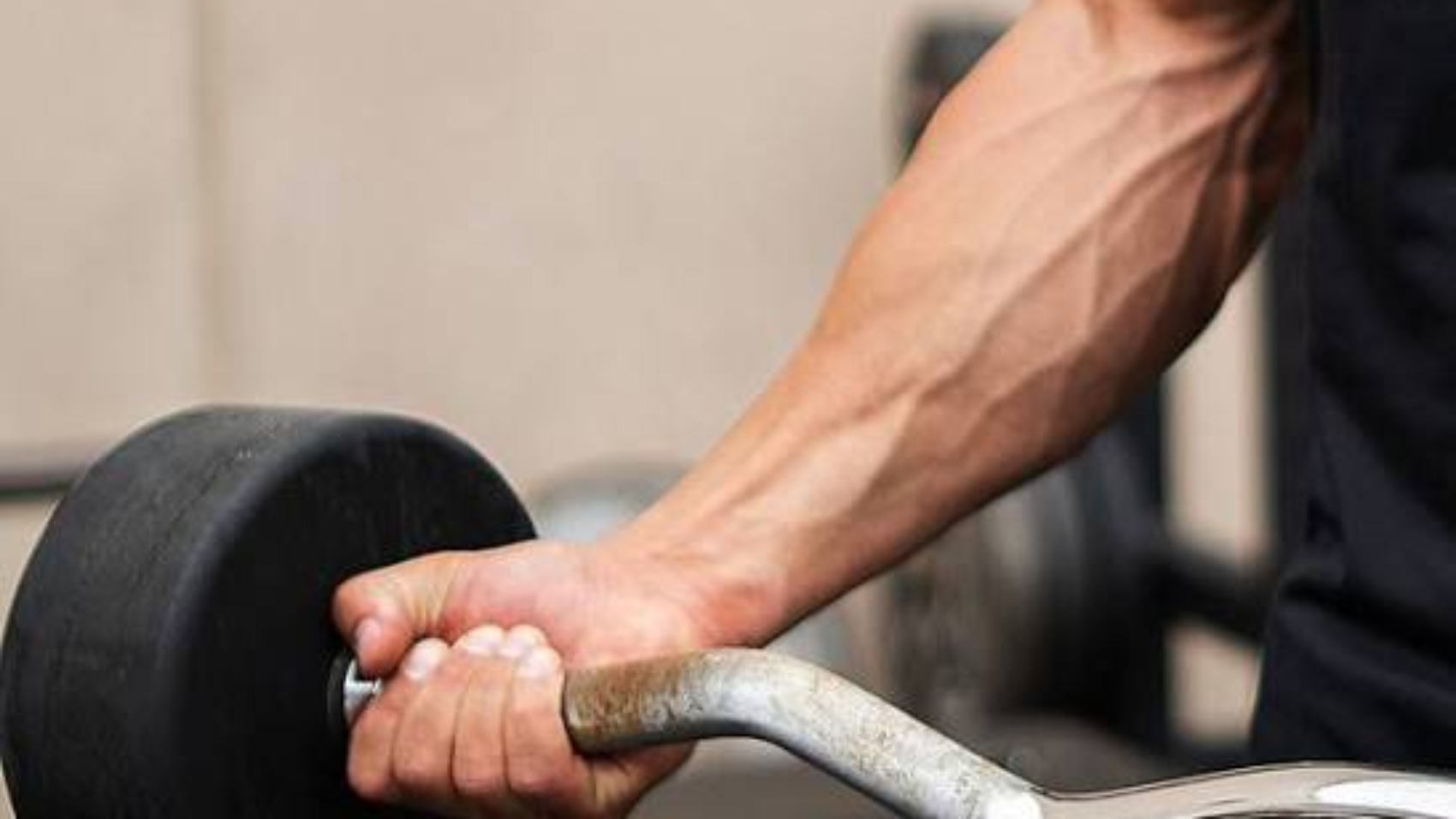
Your hands may not seem connected to your overall physical health, but grip strength plays an important role in many everyday activities. Opening containers, carrying groceries, using tools, exercising, and even getting up from a chair can require strength and coordination in your hands and arms.

A gradual decrease in grip strength may happen because of inactivity, aging, previous injuries, or conditions affecting the muscles, joints, or nerves.

Sometimes weakness is accompanied by pain or stiffness in the hand, wrist, elbow, or shoulder. In other situations, numbness and tingling may suggest that a nerve is being irritated or compressed.

Because several different conditions can affect grip strength, it is important to pay attention to changes rather than assuming weakness is simply part of getting older.

Maintaining overall upper-body strength can support hand and arm function. Activities that safely challenge the hands and forearms may be helpful for some people, although exercises should be appropriate for your physical condition.

If you already have significant hand, wrist, or elbow pain, aggressively exercising the affected area may not be appropriate. A professional evaluation can help determine which movements are safe.

Persistent weakness deserves particular attention if it develops suddenly, affects one side more than the other, or occurs alongside numbness, tingling, or difficulty coordinating your hand.

At CWOPS, evaluating the source of symptoms is an important part of developing an appropriate treatment plan. Your symptoms may involve a joint, tendon, muscle, or nerve, and each requires a different approach.

Depending on the cause, treatment may include physical therapy, activity modifications, medication management, or targeted interventions.

Strong and functional hands support independence in everyday life. If you notice that ordinary tasks are becoming more difficult because of weakness or pain, getting the problem evaluated can help identify the underlying cause and appropriate next steps.

images - 2026-09-28T173756.118

What Is Carpal Tunnel Syndrome and Why Does Your Hand Go Numb?

Numbness or tingling in the hand can be frustrating, especially when it starts interfering with work, sleep, driving, or everyday activities.

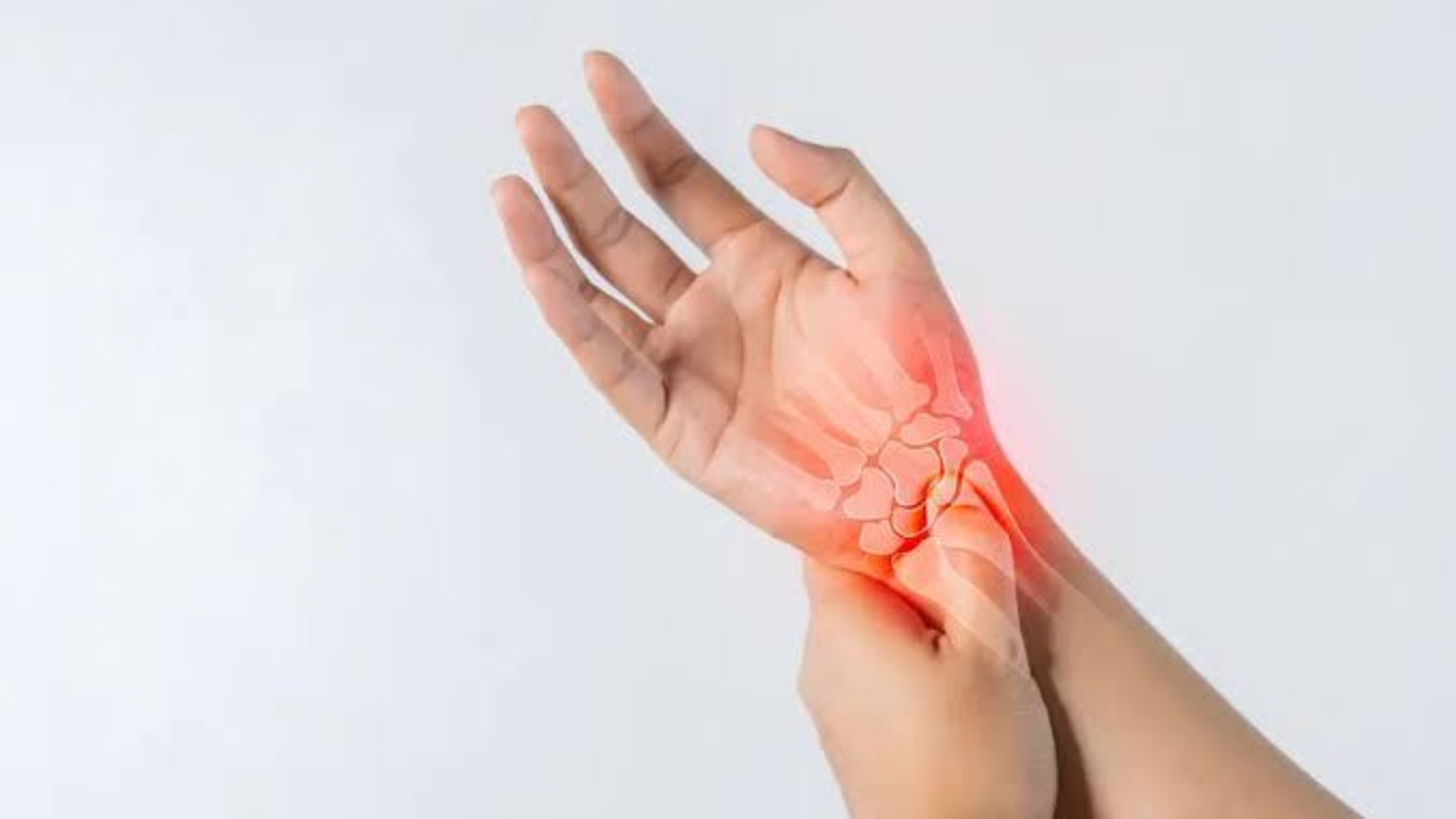
One possible cause is carpal tunnel syndrome, a condition involving pressure on the median nerve as it passes through a narrow space in the wrist called the carpal tunnel.

While occasional hand tingling can have many causes, persistent or recurring symptoms deserve attention.

What Is Carpal Tunnel Syndrome?

The carpal tunnel is a narrow passageway located in the wrist. Several tendons and the median nerve pass through it.

The median nerve provides sensation to parts of the hand and helps control certain muscles involved in hand movement.

When pressure builds around this nerve, symptoms associated with carpal tunnel syndrome may develop.

What Are the Symptoms?

Common symptoms can include:

  • Numbness in the thumb, index, middle, and part of the ring finger
  • Tingling or pins-and-needles sensations
  • Hand discomfort
  • Symptoms that become noticeable at night
  • Difficulty gripping objects
  • A feeling of weakness in the hand
  • A tendency to shake or move the hand to relieve symptoms

Symptoms may initially come and go. Over time, they can become more frequent or persistent.

What Can Contribute to Carpal Tunnel Syndrome?

There is not always one clear cause.

Factors that may contribute include:

  • Repetitive hand or wrist movements
  • Certain work activities
  • Wrist injuries
  • Conditions that cause swelling
  • Changes in the wrist anatomy
  • Certain medical conditions

Using a computer or keyboard does not automatically mean someone will develop carpal tunnel syndrome. However, repetitive activities or positions that place stress on the wrist may contribute to symptoms in some people.

Why Are Symptoms Often Worse at Night?

Many people with carpal tunnel syndrome notice symptoms while sleeping.

The wrist may remain bent during sleep, potentially increasing pressure within the carpal tunnel. This can contribute to nighttime numbness or tingling.

Some people wake up and feel the need to shake or move their hand to reduce the sensation.

How Is Carpal Tunnel Syndrome Diagnosed?

A healthcare professional may evaluate your symptoms, hand strength, sensation, and wrist movement.

Depending on the situation, additional tests may be recommended to assess nerve function or rule out other causes of numbness.

This is important because similar symptoms can sometimes originate from other areas, including the neck or other nerves.

How Is It Treated?

Treatment depends on the severity and cause of the symptoms.

Possible approaches may include:

  • Activity modification
  • Wrist positioning or splinting
  • Physical therapy
  • Medication when appropriate
  • Injections in selected cases
  • Further evaluation when symptoms are severe or persistent

When nerve compression becomes significant or symptoms do not improve with conservative treatment, additional treatment options may need to be considered.

When Should You Seek Help?

Occasional tingling may not indicate a serious problem, but persistent numbness, worsening symptoms, weakness, or difficulty using your hand should be evaluated.

Early assessment can help determine the cause and prevent you from simply guessing what may be behind your symptoms.

Protect Your Hand Function

Your hands are involved in countless everyday activities, from typing and driving to cooking and working. Persistent numbness or weakness should not be ignored.

At CWOPS, Center for Wellness Orthopedic, Pain & Spine, patients can receive evaluation for a variety of orthopedic, nerve, and pain-related conditions.

If hand numbness, tingling, or weakness is interfering with your routine, contact CWOPS at (702) 476-9700 to discuss your symptoms and available treatment options.

stenosis_1280

What Is Spinal Stenosis? Understanding the Causes, Symptoms, and Treatment Options

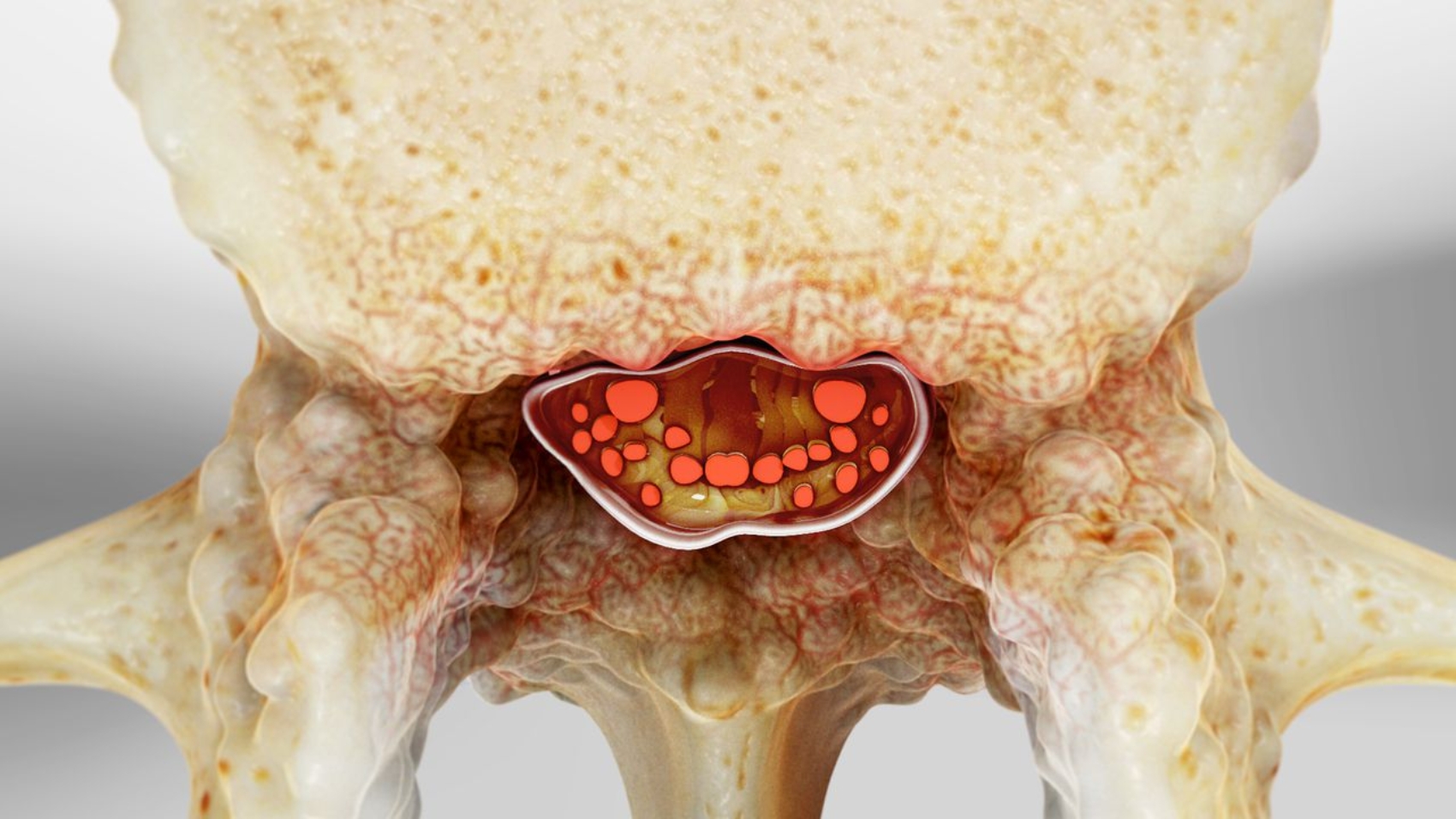
Back pain, leg discomfort, numbness, and difficulty walking can sometimes be connected to a condition known as spinal stenosis. This condition occurs when spaces within the spine become narrower, potentially putting pressure on the spinal cord or nearby nerves.

Spinal stenosis can develop gradually, and some people may not experience noticeable symptoms at first. For others, it can affect walking, balance, comfort, and everyday activities.

Understanding the condition can help you recognize potential warning signs and learn when a professional evaluation may be beneficial.

What Causes Spinal Stenosis?

The spinal canal and the openings where nerves exit the spine provide space for important nerve structures. When these spaces become narrower, nerves may become compressed or irritated.

One common cause is age-related degeneration. Over time, changes in the joints, spinal discs, and ligaments may reduce the available space around the nerves.

Other contributing factors can include:

  • Arthritis and bone spur formation
  • Thickening of spinal ligaments
  • Bulging discs
  • Previous spinal injuries
  • Naturally narrow spinal anatomy
  • Changes following certain spinal procedures

Spinal stenosis most commonly affects the lower back or neck, although it can occur in other areas of the spine.

What Are the Symptoms of Spinal Stenosis?

Symptoms depend on where the narrowing occurs and whether nerves are affected.

When spinal stenosis develops in the lower back, possible symptoms include:

  • Lower back discomfort
  • Pain in the buttocks or legs
  • Numbness or tingling in the legs
  • Leg weakness
  • Difficulty walking for extended periods
  • Symptoms that improve when sitting or leaning forward

Some people find that standing or walking makes their symptoms worse, while sitting provides temporary relief.

When stenosis affects the neck, symptoms may involve neck discomfort, numbness or weakness in the arms, or changes in hand coordination. In more serious cases, it can affect balance and walking.

How Is Spinal Stenosis Diagnosed?

A healthcare professional may review your symptoms, medical history, and physical examination findings. Your walking ability, strength, sensation, and reflexes may also be assessed.

Imaging, such as an MRI, may be recommended when appropriate to evaluate the spinal canal and surrounding structures.

However, imaging findings must be considered alongside symptoms. Not everyone with spinal narrowing experiences pain, and the presence of stenosis on an image does not automatically explain every symptom.

What Treatment Options Are Available?

Treatment depends on the severity of symptoms, the location of the narrowing, and its effect on daily function.

Depending on the individual situation, treatment may include:

  • Physical therapy and appropriate exercises
  • Activity modification
  • Medication when appropriate
  • Targeted injections in selected cases
  • Other pain management approaches
  • Surgical evaluation for significant or progressive nerve compression

The goal is to improve comfort and function while addressing the underlying problem as effectively as possible.

When Should You Seek Medical Attention?

Persistent back or neck pain, recurring leg symptoms, or difficulty walking should be evaluated if they are affecting your daily routine.

Seek urgent medical attention if you develop new bladder or bowel control problems, numbness around the groin or saddle area, or rapidly worsening weakness. These symptoms may indicate serious nerve compression.

Get Help for Persistent Spine Symptoms

Spinal stenosis does not affect everyone in the same way. A professional evaluation can help determine whether spinal narrowing may be contributing to your symptoms and which treatment options may be appropriate.

At CWOPS, Center for Wellness Orthopedic, Pain & Spine, patients can explore evaluation and care options for a range of spine and pain conditions.

If back pain, leg discomfort, or reduced walking tolerance is affecting your quality of life, contact CWOPS at (702) 476-9700 to discuss your symptoms and available care options.


images - 2026-10-05T023208.395

How Poor Foot Mechanics Can Affect Your Knees, Hips, and Back

Your feet are the foundation of your movement. Every time you walk, stand, run, or climb stairs, your feet interact with the ground and help transfer forces through the rest of your body.

When foot mechanics are affected by structural differences, weakness, footwear, injury, or movement patterns, other parts of the body may sometimes have to compensate.

This does not mean that every knee, hip, or back problem starts in the feet. However, understanding the connection can be useful when dealing with recurring lower-body discomfort.

Why Do Your Feet Matter?

Your feet absorb and transfer forces every time you move.

As you walk, the foot needs to adapt to the ground while also providing enough stability to push your body forward.

This process involves the feet, ankles, knees, hips, and muscles throughout the lower body working together.

When one part of this system moves differently, other areas may compensate.

How Can Foot Mechanics Affect the Knees?

The position and movement of your feet can influence how forces travel through the lower leg and knee.

In some people, certain foot movement patterns may contribute to altered stress around the knee.

This does not mean that foot mechanics are always responsible for knee pain. Knee symptoms can have many causes, including injuries, arthritis, muscle weakness, and other conditions.

However, evaluating movement patterns can sometimes provide useful information when symptoms repeatedly occur.

What About the Hips?

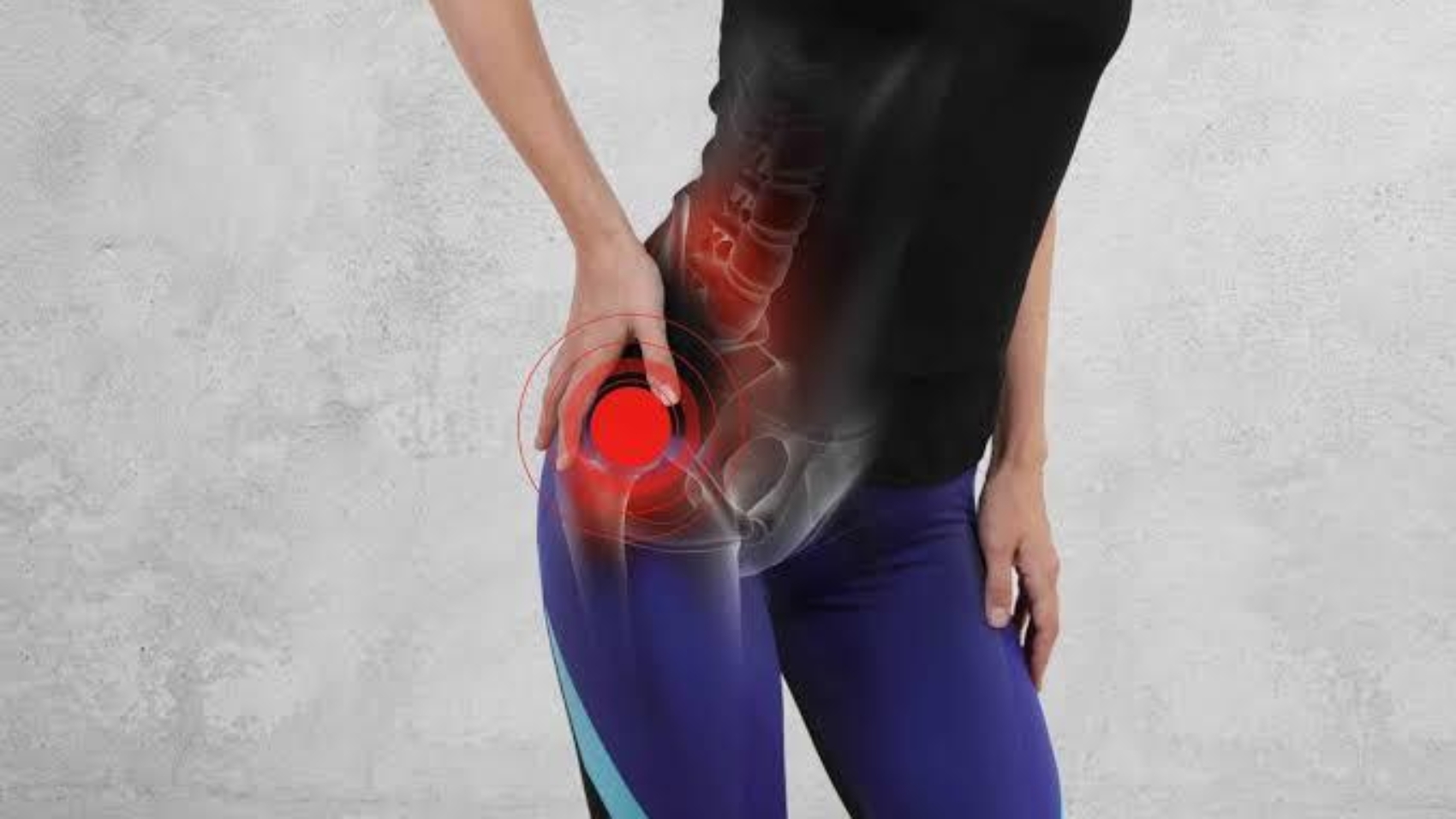
The hips play an important role in controlling the position of the legs during movement.

If the lower body is not moving efficiently, the hips may compensate for changes occurring elsewhere in the movement chain.

Over time, repetitive compensation may contribute to muscle fatigue or discomfort in some individuals.

Again, there is no single foot position that explains every hip problem. A complete evaluation is important.

Can Foot Mechanics Affect the Back?

Walking involves coordinated movement throughout the entire body.

Changes in foot or lower-limb mechanics may influence how the body absorbs and transfers forces during movement. In some cases, this may contribute to altered movement patterns involving the hips or lower back.

However, back pain has many possible causes, and foot mechanics are only one potential factor.

What Can You Do?

If you experience recurring pain while walking, running, exercising, or standing, consider looking at the bigger picture.

Useful steps may include:

  • Wearing appropriate footwear
  • Replacing worn-out athletic shoes
  • Gradually increasing exercise intensity
  • Strengthening the lower body
  • Working on mobility when appropriate
  • Paying attention to recurring pain
  • Getting a professional movement assessment when symptoms persist

A healthcare professional or physical therapist can help determine whether movement mechanics may be contributing to your symptoms.

When Should You Seek Evaluation?

Consider professional evaluation if pain continues despite changes in activity or footwear, repeatedly returns, affects your walking pattern, or begins interfering with normal activities.

An evaluation can help determine whether the discomfort is related to the feet, ankles, knees, hips, back, or another underlying issue.

Look at the Whole Movement Chain

Your body works as a connected system. When one area is uncomfortable, looking only at the location of the pain may not always provide the complete picture.

At CWOPS, Center for Wellness Orthopedic, Pain & Spine, our team evaluates a wide range of orthopedic, spine, and pain conditions that can affect movement and quality of life.

If recurring pain is making walking, exercising, or everyday activities more difficult, contact CWOPS at (702) 476-9700 to discuss your symptoms and explore appropriate care options

images - 2026-10-05T022207.264

Understanding Rotator Cuff Injuries: Symptoms, Causes, and Treatment

Your shoulder allows an impressive range of movement. You can reach overhead, rotate your arm, lift objects, and perform countless everyday activities because multiple muscles and tendons work together to stabilize the joint.

One important group of these structures is the rotator cuff.

Rotator cuff problems can develop gradually or occur following an injury. They may cause shoulder pain, weakness, and difficulty performing movements that once felt easy.

What Is the Rotator Cuff?

The rotator cuff is a group of four muscles and their tendons that help stabilize the shoulder and control arm movement.

These structures play an important role when you:

  • Raise your arm
  • Reach overhead
  • Rotate your shoulder
  • Lift objects
  • Perform sports activities

Because the shoulder is used so frequently, the rotator cuff can be exposed to repetitive stress.

What Causes Rotator Cuff Problems?

Rotator cuff injuries can happen for different reasons.

Potential causes include:

  • Repetitive overhead activity
  • Sports participation
  • Occupational activities
  • Sudden lifting injuries
  • Falls
  • Age-related tendon changes
  • Repeated shoulder stress

Some problems develop gradually, while others may occur after a specific event.

What Are the Common Symptoms?

Rotator cuff problems may cause:

  • Shoulder pain
  • Pain when lifting the arm
  • Weakness
  • Difficulty reaching overhead
  • Discomfort when reaching behind your back
  • Pain that becomes noticeable at night
  • Reduced shoulder function

The symptoms can vary depending on whether the issue involves irritation, inflammation, a partial tear, or another condition.

Why Can Shoulder Pain Be Worse at Night?

Some people notice that shoulder pain becomes more noticeable when lying down or sleeping on the affected side.

Certain sleeping positions may place pressure on the shoulder or keep it in a position that aggravates symptoms.

If shoulder pain repeatedly disrupts your sleep, it may be worth discussing with a healthcare professional.

How Are Rotator Cuff Injuries Diagnosed?

A healthcare professional may review your symptoms, medical history, and activity level and perform a physical examination.

Depending on the suspected problem, imaging may sometimes be recommended.

An accurate diagnosis is important because several shoulder conditions can produce similar symptoms.

How Are Rotator Cuff Problems Treated?

Treatment depends on the type and severity of the injury.

Depending on the situation, options may include:

  • Activity modification
  • Physical therapy
  • Strengthening and mobility exercises
  • Medication when appropriate
  • Targeted injections
  • Other pain management approaches
  • Surgical evaluation for certain significant injuries

Not every rotator cuff problem requires surgery. The appropriate approach depends on the specific condition and individual circumstances.

When Should You See a Specialist?

Consider an evaluation if shoulder pain:

  • Continues for several weeks
  • Interferes with sleep
  • Makes everyday activities difficult
  • Causes noticeable weakness
  • Limits your range of motion
  • Develops after a significant injury

Getting the cause identified can help you choose the appropriate next step.

Get Back to Comfortable Shoulder Movement

Shoulder pain can affect everything from exercising and working to dressing and sleeping. Getting the right evaluation can help you understand what may be causing the problem.

At CWOPS, Center for Wellness Orthopedic, Pain & Spine, our team provides evaluation and treatment options for a variety of orthopedic and pain conditions.

If shoulder pain or weakness is limiting your movement, contact CWOPS at (702) 476-9700 to discuss your symptoms and available care options.

104566212_l-1024x683

Why Your Neck May Hurt After Looking Down at Your Phone

Smartphones have become part of everyday life. We use them while working, communicating, shopping, watching videos, and relaxing. But spending long periods looking down at a screen can place additional stress on the neck.

Occasional neck discomfort is common, but repeated or prolonged strain can contribute to stiffness, muscle tension, and ongoing pain.

Understanding how screen habits affect your neck can help you make simple changes that support better posture and comfort.

Why Does Looking Down Affect Your Neck?

Your head has significant weight, and your neck muscles work continuously to support it.

When your head stays in a neutral position, the neck is generally better aligned to support the head. As you bend your neck forward for extended periods, the muscles and other structures may have to work differently to maintain that position.

The longer you stay in one position, the more likely you may be to experience discomfort or stiffness.

What Can Phone-Related Neck Strain Feel Like?

People may experience:

  • Neck stiffness
  • Aching around the neck and shoulders
  • Tight muscles
  • Headaches associated with muscle tension
  • Reduced neck mobility
  • Upper back discomfort
  • Pain that becomes noticeable after prolonged screen use

Symptoms can be temporary, but repeatedly spending hours in the same position may contribute to recurring discomfort.

It’s Not Just About Your Phone

The same issue can occur with other screens and activities.

For example, you may spend long periods:

  • Working at a computer
  • Using a tablet
  • Reading
  • Driving
  • Looking down while doing detailed tasks
  • Sitting in one position for extended periods

The problem is often not one specific activity. It can be the combination of prolonged positioning, limited movement, and repeated daily habits.

How Can You Reduce Neck Strain?

Small adjustments can make a meaningful difference.

Try to:

  • Hold your phone closer to eye level when practical
  • Avoid keeping your neck bent for long periods
  • Take regular movement breaks
  • Change positions throughout the day
  • Adjust your computer monitor to a comfortable height
  • Include gentle neck and upper-back mobility exercises when appropriate
  • Pay attention to persistent symptoms instead of repeatedly working through them

The goal is not to maintain perfect posture every second. Instead, focus on changing positions regularly and avoiding prolonged strain.

When Should Neck Pain Be Evaluated?

Many mild episodes of neck discomfort improve with movement, rest, and changes in daily habits. However, professional evaluation may be appropriate if pain persists, repeatedly returns, or begins interfering with work, sleep, exercise, or normal activities.

Neck pain accompanied by significant weakness, numbness, severe symptoms, or symptoms following a major injury should also be evaluated promptly.

Give Your Neck a Break

Your phone may be small, but the amount of time you spend looking at it can add up quickly. Becoming more aware of your screen habits can help reduce unnecessary strain on your neck and shoulders.

At CWOPS, Center for Wellness Orthopedic, Pain & Spine, our team evaluates a variety of neck, spine, orthopedic, and pain conditions.

If persistent neck pain is affecting your daily routine, contact CWOPS at (702) 476-9700 to discuss your symptoms and care options.

images - 2026-09-28T174610.270

Why Rest Alone May Not Be Enough for Persistent Musculoskeletal Pain

When something hurts, resting the affected area often seems like the obvious solution. Rest can be useful after certain injuries and periods of physical stress, but persistent musculoskeletal pain may require more than simply avoiding activity.

If pain continues for weeks or repeatedly returns, understanding the underlying cause becomes important.

The goal is not always complete inactivity. In many situations, the right approach involves identifying the source of pain and gradually restoring appropriate movement and function.

Why Does Rest Help?

Reducing activity can give irritated tissues an opportunity to recover, especially after an acute injury or sudden increase in physical activity.

Temporary rest may be appropriate when:

  • An injury has just occurred
  • A specific movement significantly increases pain
  • The body needs time to recover from unusual physical stress
  • A healthcare professional recommends activity restriction

However, prolonged inactivity may not be the right solution for every condition.

Why Can Too Much Rest Become a Problem?

The body is designed to move.

Extended inactivity can contribute to:

  • Reduced muscle strength
  • Reduced flexibility
  • Stiffness
  • Lower physical tolerance
  • Difficulty returning to normal activities

This does not mean you should exercise through significant pain. Instead, the appropriate level and type of activity may need to be adjusted according to the underlying condition.

Persistent Pain May Have an Underlying Cause

If pain continues despite rest, the problem may not simply be that your body needs more time away from activity.

Potential causes can include:

  • Joint problems
  • Tendon irritation
  • Nerve compression
  • Disc-related conditions
  • Muscle imbalance
  • Arthritis
  • Previous injuries
  • Movement or biomechanical factors

Different causes require different approaches.

That is why continuing to rest without understanding the reason for persistent pain may not address the underlying issue.

The Role of Gradual Movement

For many musculoskeletal conditions, an appropriate rehabilitation program can help restore strength, mobility, and confidence.

Depending on the condition, treatment may involve:

  • Physical therapy
  • Stretching
  • Strengthening exercises
  • Mobility work
  • Activity modification
  • Ergonomic changes
  • Medication when appropriate
  • Targeted pain management

The type and timing of activity should be based on the individual’s condition rather than a one-size-fits-all routine.

When Should You Get Evaluated?

Consider professional evaluation when pain:

  • Continues despite reasonable rest
  • Repeatedly returns
  • Interferes with work or daily activities
  • Limits your range of motion
  • Causes weakness or numbness
  • Is becoming progressively worse
  • Prevents you from participating in normal activities

A proper evaluation can help determine whether the problem requires continued rest, rehabilitation, medical treatment, or another approach.

Getting Back to the Right Kind of Movement

The goal of pain care is not simply to tell you to stop moving. In many cases, the long-term goal is to help you return to appropriate movement safely and confidently.

At CWOPS, Center for Wellness Orthopedic, Pain & Spine, our team provides evaluation and treatment options for a wide range of orthopedic, spine, and musculoskeletal conditions.

If persistent pain is keeping you from the activities you enjoy, contact CWOPS at (702) 476-9700 to discuss your symptoms and explore appropriate care options.