
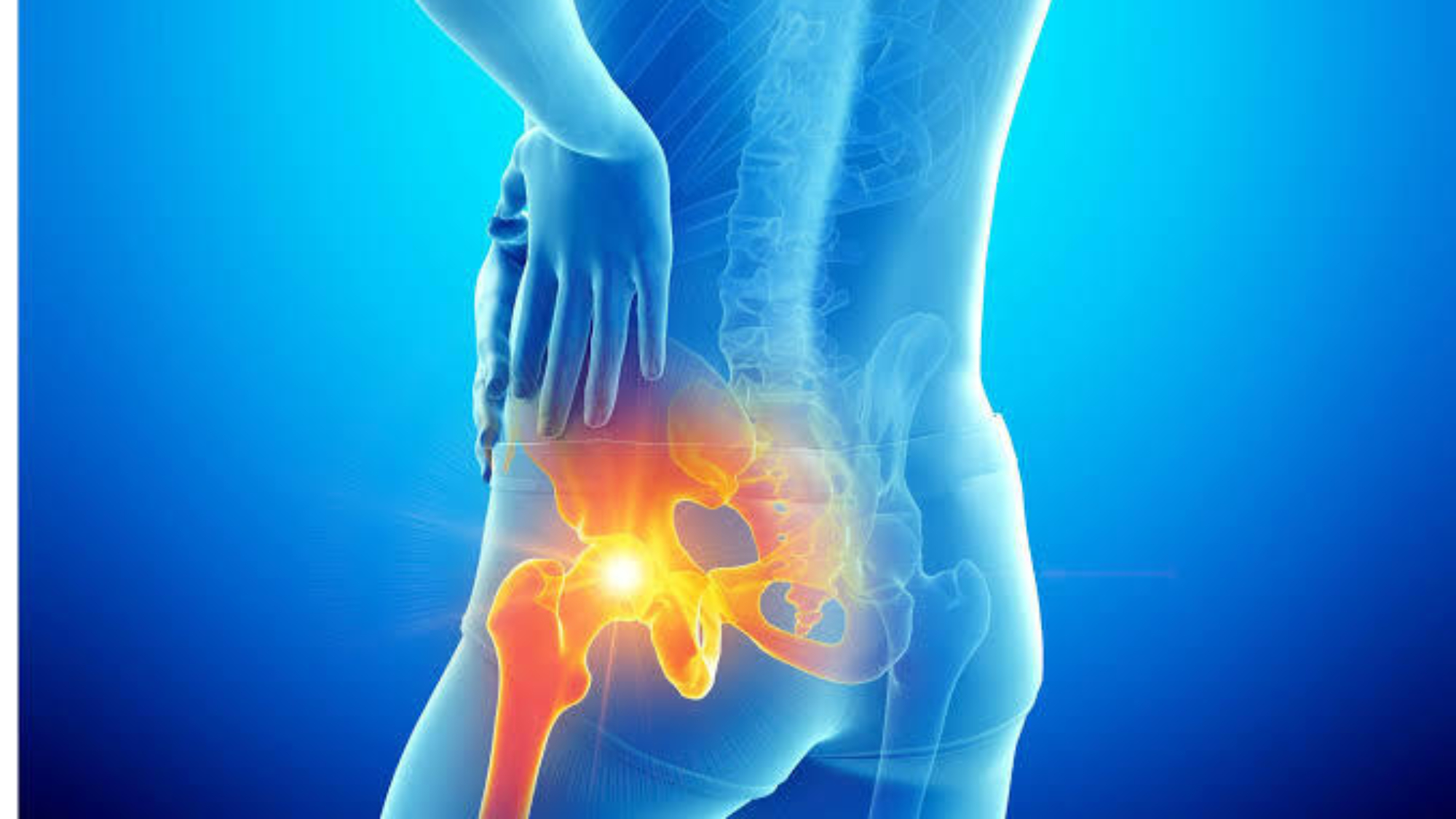
Hip pain is a common complaint among adults of all ages. While occasional soreness after exercise or physical activity is normal, persistent hip pain should never be ignored. Your hips are among the body’s largest weight-bearing joints, allowing you to walk, climb stairs, stand, and perform countless everyday movements. When pain develops, it can significantly affect your mobility and overall quality of life.
Hip pain may be caused by arthritis, bursitis, tendon injuries, muscle strains, or inflammation. In some cases, the pain doesn’t actually originate in the hip. Conditions affecting the lower back, such as a herniated disc or sciatica, can cause pain that radiates into the hip and upper leg.
Common symptoms include stiffness after sitting, pain while walking, discomfort when lying on one side, or limited range of motion. If these symptoms persist for more than a few weeks or interfere with daily activities, it’s important to seek medical evaluation.
At CWOPS, a thorough assessment helps determine the underlying cause of hip pain. This may include a physical examination, a review of your medical history, and imaging studies if necessary. Once a diagnosis is made, treatment is tailored to your specific condition.
Many patients respond well to non-surgical treatments such as physical therapy, anti-inflammatory medications, lifestyle modifications, and image-guided injections. These approaches can reduce pain, improve mobility, and help prevent further joint damage.
The earlier hip pain is evaluated, the more treatment options are typically available. Addressing the problem before it worsens can help you stay active and avoid unnecessary complications.

Add a Comment