
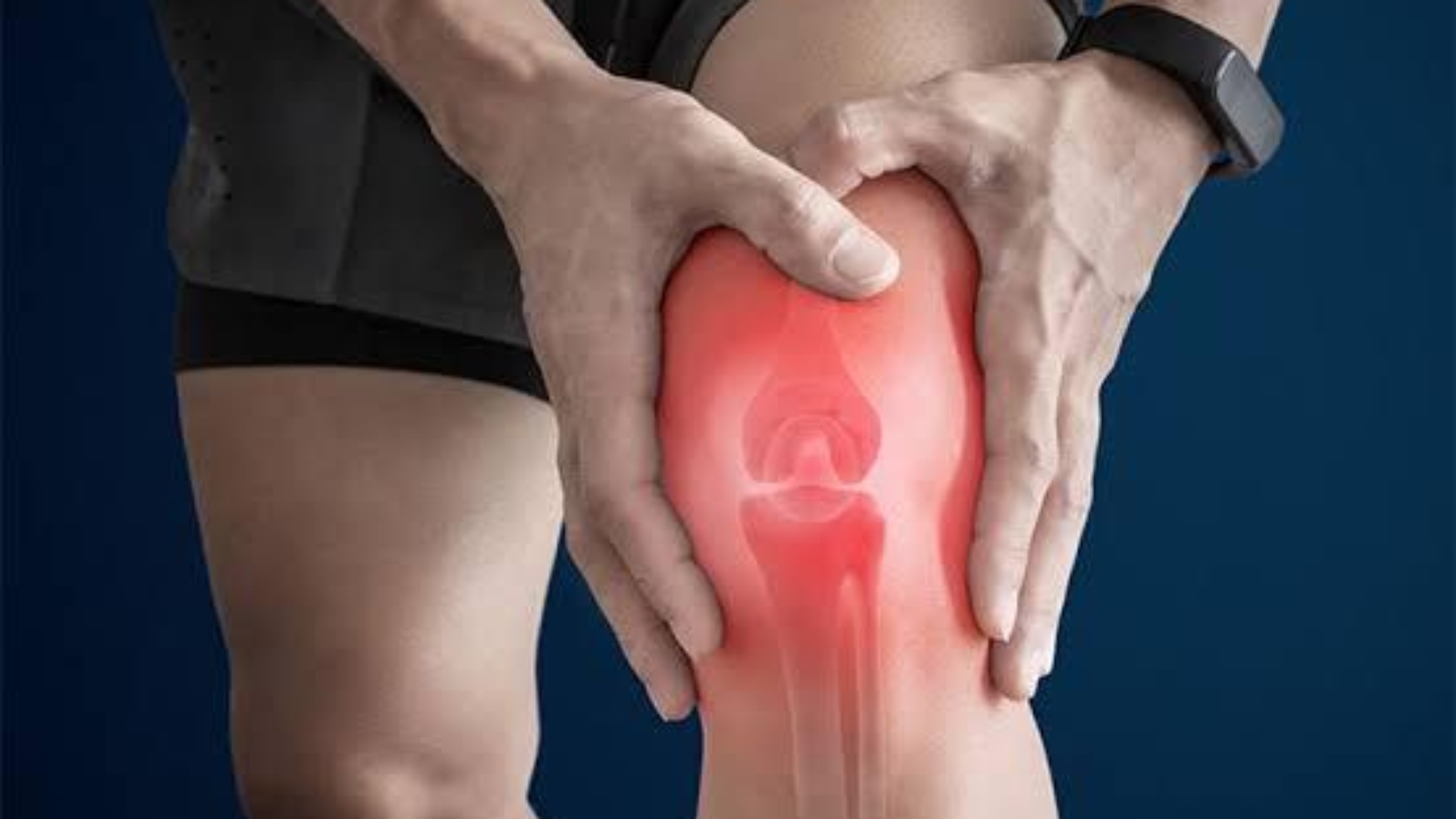
Strong and flexible muscles are important for movement, but joint stability is equally essential. Stable joints help your body maintain proper alignment and control while you walk, exercise, lift, reach, and perform everyday activities.
Joint stability depends on several structures working together, including muscles, tendons, ligaments, bones, and surrounding tissues. When one of these structures is injured or weakened, the joint may feel less secure.
People with joint instability may describe a feeling that a knee, ankle, shoulder, or other joint is giving way, shifting, or not supporting them properly. Some may experience recurring injuries or discomfort during specific movements.
Previous injuries are a common contributor. A sprained ligament, for example, may affect the stability of a joint even after the initial swelling and pain have improved. Without appropriate rehabilitation, strength and coordination may not fully return.
Muscle weakness can also affect stability. The muscles surrounding a joint help control movement and protect it during physical activity. Improving strength and coordination can therefore be an important part of rehabilitation.
Balance and movement training may also help. Physical therapy programs often focus on teaching the body to control movement more effectively rather than simply increasing muscle strength.
If a joint repeatedly feels unstable, it is important not to ignore the symptom. Continuing activities that cause the joint to give way may increase the risk of additional injury.
At CWOPS, patients can receive an evaluation to help determine what may be contributing to joint instability. Treatment is based on the underlying condition and may include rehabilitation, activity modification, pain management, or other appropriate care.
The goal of treatment is not simply to reduce discomfort. Restoring confidence in movement and improving function are also important parts of maintaining an active lifestyle.
If you regularly feel that a joint cannot be trusted during normal movement, professional evaluation can help you understand why and determine what steps may support better stability.

Add a Comment