
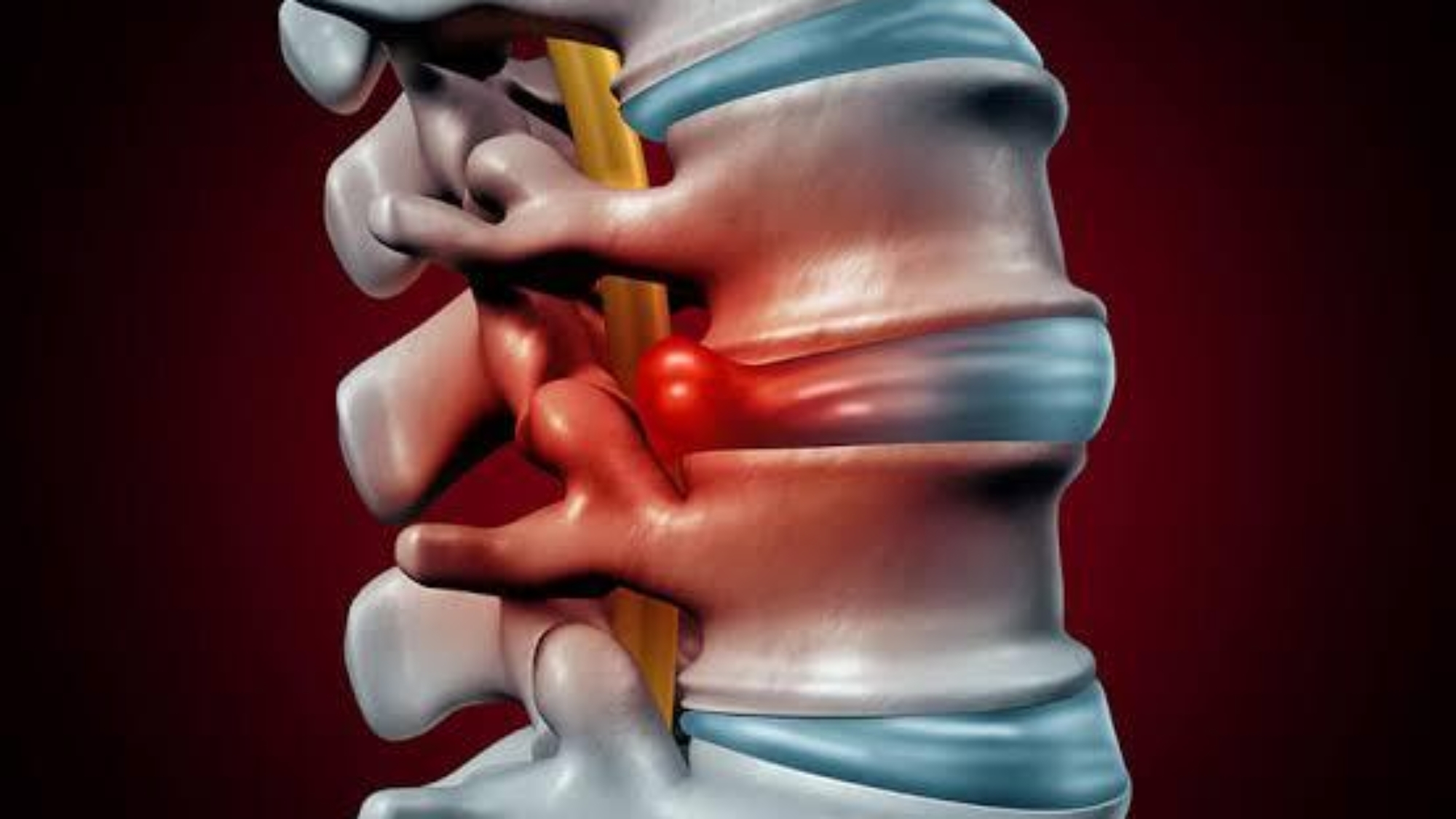
Back pain can have many causes, and one of them is a herniated disc. A herniated disc occurs when one of the soft, cushion-like discs between the bones of the spine becomes damaged and part of its inner material pushes through the outer layer.
Sometimes a herniated disc causes no noticeable symptoms. In other cases, it can irritate or compress nearby nerves, leading to pain, numbness, tingling, or weakness that may extend into an arm or leg.
Understanding the condition and recognizing when professional evaluation may be appropriate can help you take the right next step.
What Causes a Herniated Disc?
The spinal discs absorb shock and help the spine move comfortably. Over time, discs can become less flexible and more vulnerable to injury.
A herniated disc may develop because of:
- Age-related changes in the spine
- Repetitive lifting or twisting
- Sudden strain or injury
- Poor lifting technique
- Repeated physical stress
- Certain occupational activities
However, there is not always one obvious event that causes a disc problem.
What Does a Herniated Disc Feel Like?
Symptoms depend on the location of the affected disc and whether a nearby nerve is irritated.
Common symptoms can include:
- Lower back or neck pain
- Pain traveling into the leg or arm
- Tingling or pins-and-needles sensations
- Numbness
- Muscle weakness
- Pain that becomes worse with certain movements, coughing, or sneezing
For example, a herniated disc in the lower back may contribute to symptoms extending down the buttock and leg. A disc problem in the neck may cause symptoms that travel into the shoulder, arm, or hand.
When Should You Seek Medical Evaluation?
Not every herniated disc requires invasive treatment. Some people improve with conservative care and time. However, persistent or worsening symptoms should be evaluated by a qualified healthcare professional.
You should seek prompt medical attention if you experience significant weakness, severe or worsening symptoms, or changes involving bladder or bowel control.
A healthcare provider can review your symptoms, perform a physical examination, and determine whether additional testing or imaging is appropriate.
How Is a Herniated Disc Treated?
Treatment depends on the severity of symptoms and the underlying cause.
Depending on the diagnosis, treatment may include:
- Activity modification
- Physical therapy
- Medication
- Targeted injections
- Other non-surgical pain management approaches
- Surgical evaluation when clinically appropriate
The goal is not simply to treat the pain itself, but to understand what is causing the symptoms and develop an appropriate treatment plan.
Get Help for Persistent Spine Pain
Living with recurring back, neck, arm, or leg pain can make everyday activities more difficult. If you suspect a disc problem, getting an appropriate evaluation can help clarify what may be contributing to your symptoms.
At CWOPS, Center for Wellness Orthopedic, Pain & Spine, our team provides evaluation and treatment options for a variety of spine and pain conditions.
If persistent pain is affecting your mobility, work, sleep, or daily activities, contact CWOPS at (702) 476-9700 to discuss your symptoms and available care options.

Add a Comment