images - 2026-08-17T180339.994

How Previous Injuries Can Affect Your Body Years Later –

An injury may appear to heal completely, but that does not always mean your body has returned to exactly the way it functioned before the injury.

A previous fracture, sprain, muscle injury, or joint problem can sometimes affect movement patterns long after the original pain has disappeared. These changes may become noticeable months or even years later.

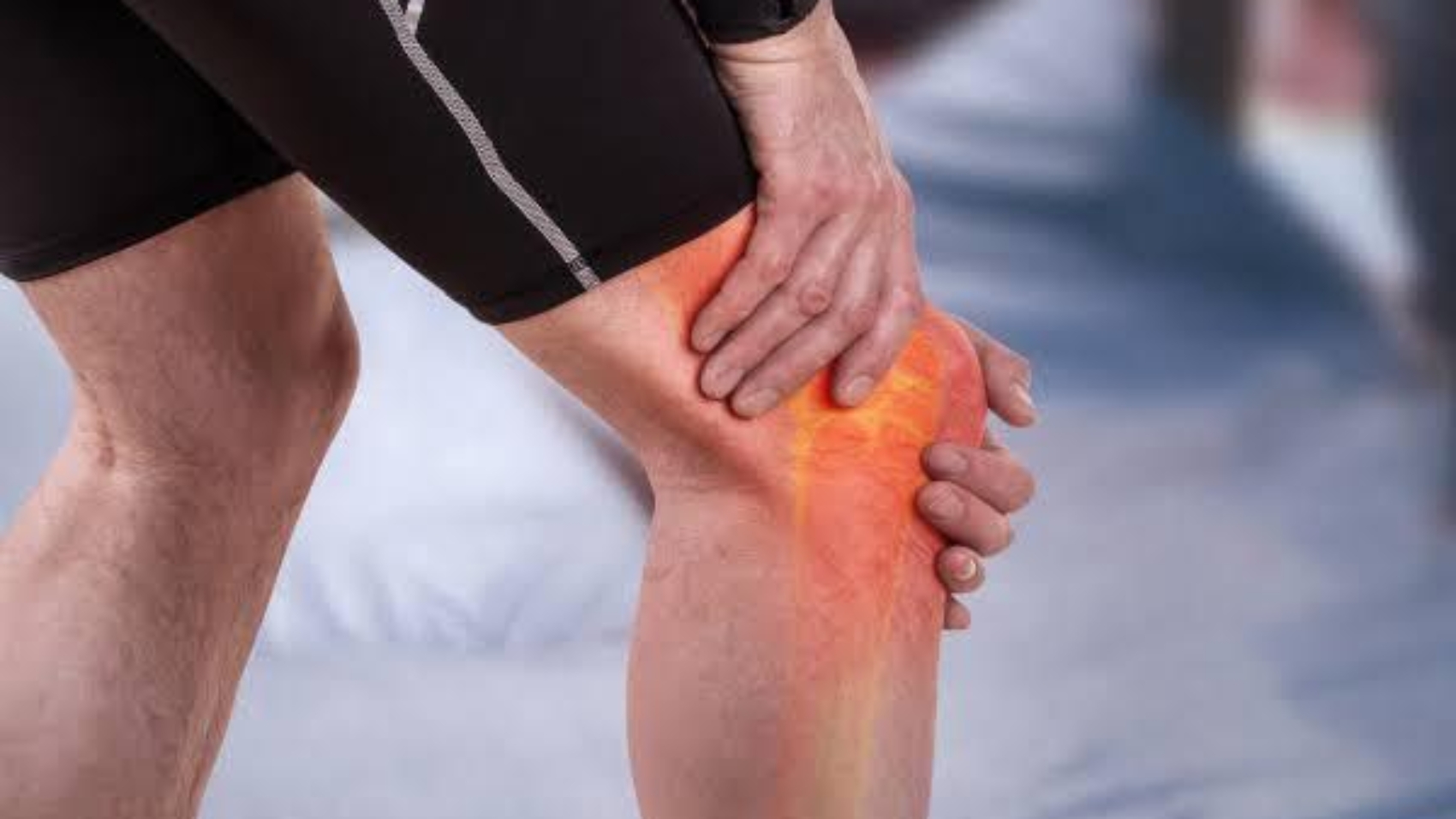
For example, someone who previously injured one knee may unconsciously place more weight on the opposite leg. Over time, this compensation can change the way the hips, knees, and lower back move.

Muscle weakness can also remain after an injury. If rehabilitation was incomplete, the affected area may not regain its previous strength or flexibility. This can make the area more vulnerable to future problems.

Scar tissue and changes in joint movement may also contribute to stiffness or discomfort.

This does not mean every old injury will eventually cause chronic pain. Many people recover fully and return to normal activities. However, recurring symptoms in an area that was previously injured deserve attention, particularly if they interfere with movement.

One of the best ways to support recovery after an injury is to follow an appropriate rehabilitation program. Strengthening the surrounding muscles, restoring flexibility, and gradually returning to activity can help improve function.

At CWOPS, providers can evaluate persistent or recurring symptoms and determine whether an old injury may be contributing to current discomfort. A treatment plan can then be designed around your present condition and functional goals.

Treatment may include physical therapy, activity modifications, pain management techniques, or minimally invasive procedures when appropriate.

Your body does not necessarily have to remain limited by an injury from years ago. If an old injury is affecting your current movement or causing recurring pain, an evaluation can help identify what may be contributing to the problem.

Addressing these issues can help restore confidence in movement and make everyday activities more comfortable.


images - 2026-10-12T012959.044

What Is Tennis Elbow? Causes, Symptoms, and Ways to Manage Elbow Pain

You do not have to play tennis to develop tennis elbow. This common condition can affect anyone who repeatedly uses the muscles and tendons involved in gripping, lifting, and wrist movement.

Tennis elbow, medically known as lateral epicondylitis or lateral elbow tendinopathy, causes pain around the outer part of the elbow. It often develops gradually as the tendons that help extend the wrist become irritated or experience changes associated with repetitive loading.

Although the discomfort may initially seem minor, it can eventually make everyday tasks such as carrying shopping bags, opening jars, or lifting a cup uncomfortable.

What Causes Tennis Elbow?

The muscles that help move your wrist and fingers connect to the outer part of the elbow through tendons. Repeated stress on these structures can contribute to tennis elbow.

Potential contributing activities include:

  • Repeated gripping or twisting
  • Using hand tools
  • Painting or performing manual work
  • Playing racquet sports
  • Lifting objects with the wrist in an awkward position
  • Repeated computer-related or household tasks

The condition is not necessarily caused by one sudden injury. In many cases, symptoms develop gradually over time.

What Are the Common Symptoms?

Tennis elbow typically causes discomfort around the outside of the elbow.

Common symptoms include:

  • Pain or tenderness on the outer elbow
  • Discomfort when gripping objects
  • Pain when lifting with the palm facing downward
  • Weakness when holding items
  • Pain during wrist extension
  • Difficulty completing repetitive hand activities

Symptoms may become more noticeable when performing tasks that require repeated gripping or wrist movement.

How Is Tennis Elbow Diagnosed?

A healthcare professional may ask about your work, sports, daily activities, and the way your symptoms developed.

The examination may include checking the location of tenderness, wrist strength, elbow movement, and whether specific movements reproduce the pain.

Additional testing is not always necessary, but imaging may be considered when symptoms are unusual, persistent, or potentially related to another condition.

It is important to distinguish tennis elbow from other causes of elbow discomfort, including nerve problems, joint conditions, and injuries.

How Can Tennis Elbow Be Treated?

Treatment depends on the severity of symptoms and the activities contributing to the condition.

Possible approaches include:

  • Temporarily modifying aggravating activities
  • Adjusting lifting and gripping techniques
  • Physical therapy
  • Gradual strengthening exercises
  • A brace or support in selected cases
  • Medication when appropriate
  • Other treatment options based on clinical evaluation

Recovery can take time, particularly when the affected tendon continues to experience repeated stress. Returning to demanding activities gradually may help reduce the risk of aggravating symptoms.

How Can You Reduce the Risk of Recurring Pain?

Although tennis elbow cannot always be prevented, some practical changes may help reduce unnecessary strain.

Consider using tools with comfortable handles, avoiding excessive gripping force, taking breaks during repetitive tasks, and using appropriate lifting techniques.

If a particular activity repeatedly triggers elbow pain, changing how you perform that task may be helpful.

When Should You Seek Professional Care?

Consider an evaluation if elbow pain persists, repeatedly returns, causes noticeable weakness, or interferes with work and everyday activities.

Pain following a significant injury, major swelling, or an inability to move the arm normally should be assessed promptly.

Take the Next Step Toward Comfortable Movement

Elbow pain can affect much more than sports. It can interfere with work, household responsibilities, exercise, and simple daily tasks.

At CWOPS, Center for Wellness Orthopedic, Pain & Spine, our team evaluates a variety of orthopedic and pain conditions that may affect your movement and function.

If persistent elbow pain is limiting your activities, contact CWOPS at (702) 476-9700 to discuss your symptoms and available treatment options.

images - 2026-10-05T022446.504

What Causes Persistent Wrist Pain and When Should You Get It Checked?

Your wrists are involved in almost everything you do with your hands. Typing, writing, driving, lifting, cooking, exercising, and using tools all require wrist movement.

Because the wrist is used so frequently, pain in this area can quickly become disruptive.

Wrist pain can result from many different conditions, ranging from temporary irritation to injuries that require professional evaluation. Understanding some of the possible causes can help you know when it is time to seek care.

What Can Cause Wrist Pain?

Wrist pain can develop for many reasons.

Possible causes include:

  • Repetitive movements
  • Sprains
  • Strains
  • Tendon irritation
  • Arthritis
  • Nerve compression
  • Previous injuries
  • Fractures
  • Overuse

Sometimes the cause is obvious, such as a fall or sports injury. In other cases, discomfort develops gradually without one specific event.

What Does Wrist Pain Feel Like?

Symptoms can vary depending on the underlying cause.

You may experience:

  • Aching
  • Sharp pain
  • Stiffness
  • Swelling
  • Tenderness
  • Reduced grip strength
  • Pain during certain movements
  • Numbness or tingling

The location of the pain can also provide useful information, although it is not enough by itself to determine the diagnosis.

Repetitive Activities Can Matter

Certain activities require the wrist to perform the same movements repeatedly.

For example, discomfort may develop after prolonged:

  • Keyboard use
  • Mouse use
  • Manual work
  • Weightlifting
  • Racquet sports
  • Gaming
  • Crafting

Repetition does not automatically mean an injury will occur, but increasing activity suddenly or failing to allow adequate recovery may contribute to irritation.

When Should Wrist Pain Be Checked?

Mild discomfort may improve after modifying the activity that aggravates it. However, persistent wrist pain should not simply be ignored.

Consider professional evaluation if:

  • Pain continues or repeatedly returns
  • Swelling does not improve
  • You have difficulty gripping objects
  • Your range of motion is limited
  • Symptoms interfere with work or daily activities
  • Numbness or tingling develops
  • Pain follows a significant injury

Severe pain, obvious deformity, or an inability to use the wrist following an injury should be evaluated promptly.

How Is Wrist Pain Evaluated?

A healthcare professional may ask about how the pain started, what activities make it worse, and whether you have experienced previous injuries.

The wrist may be examined for tenderness, movement, strength, swelling, and other signs.

Depending on the symptoms, imaging or additional testing may be considered.

What Treatment Options Are Available?

Treatment depends on the underlying cause.

Depending on the diagnosis, treatment may include:

  • Activity modification
  • Rest from aggravating movements
  • Physical therapy
  • Stretching and strengthening
  • Medication when appropriate
  • Bracing or support
  • Targeted injections in selected cases
  • Additional treatment for specific injuries or conditions

The best approach is based on the actual cause rather than treating every wrist problem the same way.

Don’t Let Wrist Pain Become a Daily Limitation

Because your wrists are involved in so many activities, persistent pain can have a much bigger impact than you might expect.

At CWOPS, Center for Wellness Orthopedic, Pain & Spine, our team evaluates a variety of orthopedic, nerve, and pain conditions that can affect movement and daily function.

If ongoing wrist pain is making work, exercise, or everyday activities more difficult, contact CWOPS at (702) 476-9700 to discuss your symptoms and available care options.


images - 2026-10-05T020923.097

What Is Sciatica and Why Can Pain Travel Down Your Leg?

Lower back pain is common, but sometimes the discomfort does not stay in the back. It may travel through the buttock and down one leg, making walking, sitting, standing, or sleeping uncomfortable. One possible reason for this pattern is sciatica.

Sciatica describes symptoms that occur when the sciatic nerve or its nerve roots become irritated or compressed. It is not a condition by itself, but rather a description of pain and other symptoms following the path of the sciatic nerve.

Understanding what may cause sciatica can help you recognize when professional evaluation may be appropriate.

What Is the Sciatic Nerve?

The sciatic nerve is one of the largest nerves in the body. It begins from nerve roots in the lower spine and travels through the buttocks and down each leg.

Because of its path, irritation involving the nerve or the nerve roots that form it can cause symptoms beyond the lower back.

Sciatica typically affects one side of the body.

What Does Sciatica Feel Like?

Sciatic symptoms can vary from person to person. Some people experience mild discomfort, while others may have significant pain.

Possible symptoms include:

  • Pain traveling from the lower back into the buttock and leg
  • Burning or shooting pain
  • Tingling or pins-and-needles sensations
  • Numbness
  • Weakness in the affected leg or foot
  • Symptoms that become worse with certain movements

The pain may feel different from ordinary muscle soreness because it can follow a particular path through the leg.

What Causes Sciatica?

Several conditions can contribute to sciatic nerve irritation.

Possible causes include:

  • Herniated discs
  • Degenerative changes in the spine
  • Bone spurs
  • Narrowing around the spinal nerves
  • Certain injuries
  • Other conditions that place pressure on nerve structures

Identifying the underlying cause is important because treatment depends on what is actually contributing to the symptoms.

When Should You Seek Care?

Mild symptoms may improve with conservative treatment and time. However, persistent or worsening pain should be evaluated, especially if it interferes with normal activities.

You should seek prompt medical attention if you develop significant or progressive weakness, severe symptoms, or changes involving bladder or bowel control.

A healthcare professional can evaluate your symptoms and determine whether additional testing or imaging may be appropriate.

How Is Sciatica Treated?

Treatment depends on the cause and severity of symptoms.

Depending on the individual situation, treatment may include:

  • Activity modification
  • Physical therapy
  • Stretching and strengthening exercises
  • Medication when appropriate
  • Targeted injections
  • Other pain management approaches
  • Surgical evaluation in selected cases

Not every person with sciatica needs surgery. The appropriate treatment depends on the underlying condition and how the symptoms are affecting the individual.

Don’t Ignore Pain That Travels Down Your Leg

Pain that travels from your lower back into your leg can make everyday movement difficult. Instead of simply trying to work through recurring symptoms, an evaluation can help determine what may be causing them.

At CWOPS, Center for Wellness Orthopedic, Pain & Spine, our team evaluates and treats a range of spine, nerve, and pain conditions.

If back or leg pain is limiting your daily activities, contact CWOPS at (702) 476-9700 to discuss your symptoms and available treatment options.

images - 2026-09-23T193503.445

When Should You Get Imaging for Back or Joint Pain?

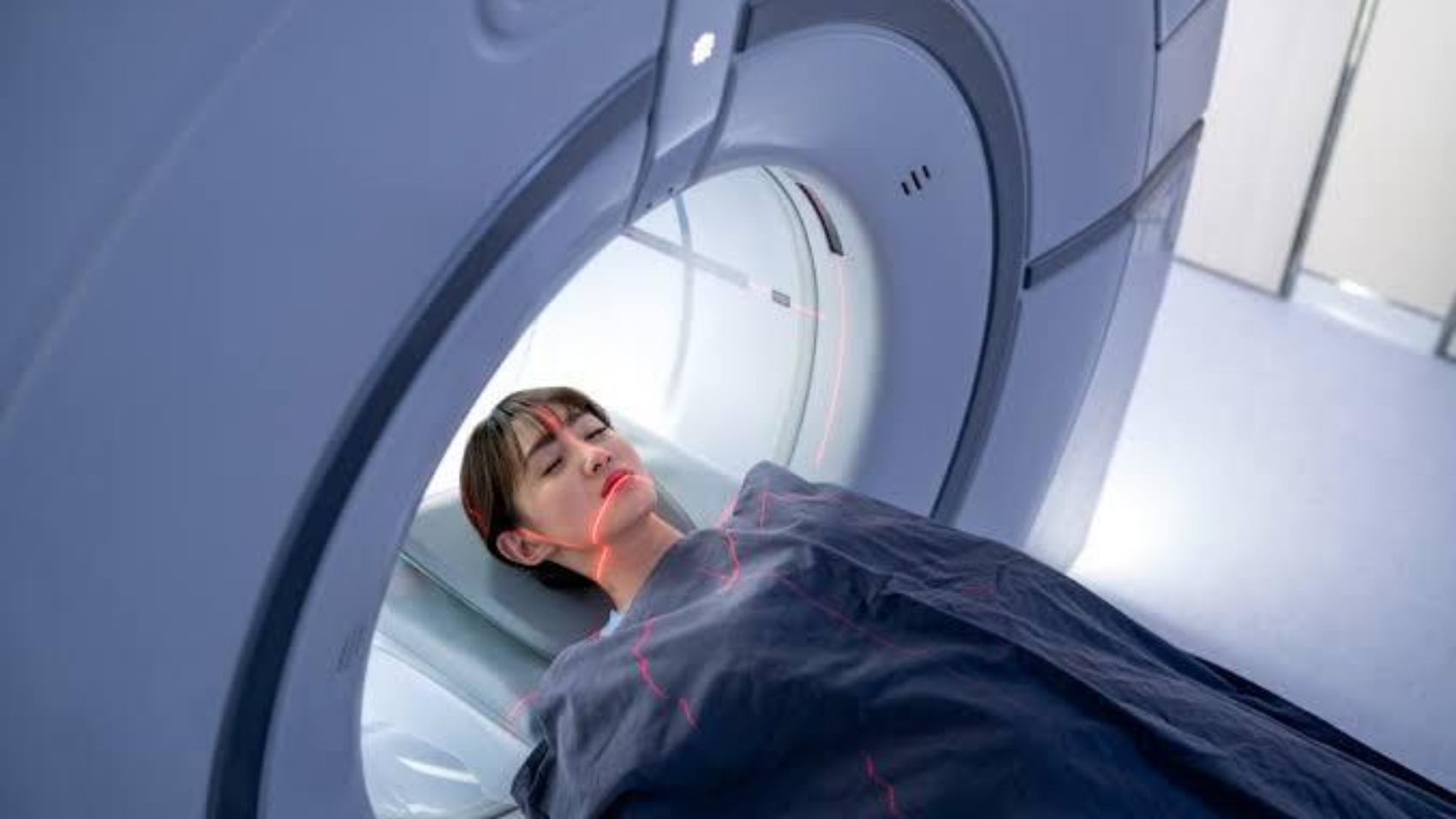
When you have persistent back or joint pain, one of the first questions you may have is whether you need an X-ray, MRI, CT scan, or another type of imaging.

Imaging can provide valuable information, but it is not always necessary for every episode of pain. The decision depends on your symptoms, medical history, physical examination, and what your healthcare provider is trying to determine.

Understanding when imaging may be considered can help you have a more informed conversation about your care.

Why Is Imaging Used?

Imaging studies can help healthcare professionals evaluate structures inside the body that cannot be assessed through a physical examination alone.

Depending on the type of imaging, doctors may be able to evaluate:

  • Bones
  • Joints
  • Discs
  • Soft tissues
  • Certain nerve-related structures
  • Signs of injury or degenerative changes

Different imaging technologies provide different types of information.

Common Types of Imaging

X-rays

X-rays are commonly used to evaluate bones and certain changes in joints. They may help identify fractures, alignment problems, or some degenerative changes.

MRI

MRI uses magnetic fields and radio waves to produce detailed images of soft tissues and structures such as discs, ligaments, tendons, and certain nerve-related areas.

CT Scans

CT scans create detailed cross-sectional images and can be particularly useful for evaluating certain bone injuries and other structural concerns.

The appropriate test depends on the clinical question being investigated.

Does Everyone With Back Pain Need an MRI?

Not necessarily.

Many episodes of back pain improve without advanced imaging, and imaging findings do not always explain the severity of a person’s symptoms.

For this reason, healthcare professionals generally consider the entire clinical picture rather than relying on an image alone.

Imaging may become more relevant when symptoms persist, significant injury is suspected, neurological symptoms develop, or the results could change the treatment approach.

When Might Imaging Be Considered?

A healthcare provider may consider imaging when there is:

  • Significant or persistent pain
  • A suspected fracture or injury
  • Neurological symptoms
  • Symptoms that are worsening
  • A history that raises concern for an underlying condition
  • Symptoms that have not improved as expected
  • A need to evaluate a specific structural problem

The timing and type of imaging should be determined based on the individual situation.

Why More Imaging Is Not Always Better

It can be tempting to think that more testing automatically means better care. However, imaging can sometimes identify structural changes that are common and may not actually be responsible for a person’s symptoms.

That is why imaging results should be interpreted alongside symptoms, physical examination findings, and medical history.

The goal is to obtain useful information that can help guide appropriate treatment.

What Happens After Imaging?

Imaging is only one part of the evaluation process.

Depending on the findings, your healthcare provider may recommend:

  • Physical therapy
  • Activity modification
  • Medication
  • Pain management
  • Injections when appropriate
  • Additional evaluation
  • Other treatment options based on the diagnosis

The next step depends on what the evaluation shows and how your symptoms are affecting your daily life.

Get the Right Evaluation for Your Pain

If you are dealing with persistent back or joint pain, you do not necessarily need to determine on your own whether you need an MRI or another test.

A professional evaluation can help determine what may be causing your symptoms and whether imaging could provide useful information.

At CWOPS, Center for Wellness Orthopedic, Pain & Spine, our team evaluates a range of orthopedic, spine, and pain conditions and can help patients understand appropriate treatment options.

If ongoing pain is affecting your mobility or quality of life, contact CWOPS at (702) 476-9700 to discuss your symptoms and next steps.

images - 2026-09-23T193057.355

Frozen Shoulder: Why Your Shoulder Can Become Stiff and Difficult to Move

Shoulder pain is frustrating enough, but when your shoulder also becomes increasingly stiff, simple activities can become surprisingly difficult.

Reaching for something on a high shelf, putting on a shirt, brushing your hair, or reaching behind your back may become uncomfortable or difficult. One possible cause is frozen shoulder, a condition characterized by significant stiffness and restricted shoulder movement.

Understanding frozen shoulder can help you recognize the symptoms and know when professional evaluation may be appropriate.

What Is Frozen Shoulder?

Frozen shoulder, medically known as adhesive capsulitis, occurs when the tissues surrounding the shoulder joint become inflamed and tighten, restricting movement.

The condition can develop gradually rather than appearing suddenly.

In some cases, shoulder pain comes first and stiffness develops afterward. Over time, the restriction in movement can become the most noticeable symptom.

What Are the Symptoms?

Frozen shoulder commonly involves two major symptoms: pain and stiffness.

You may notice difficulty with:

  • Raising your arm
  • Reaching overhead
  • Reaching behind your back
  • Putting on or removing clothing
  • Sleeping comfortably on the affected side
  • Performing everyday household activities

The symptoms can develop gradually and may interfere with both work and personal activities.

Why Does Frozen Shoulder Happen?

Sometimes the exact cause is not clear.

Frozen shoulder can develop following periods when the shoulder has been difficult to move, including after certain injuries or procedures. Other factors may also be associated with a higher likelihood of developing the condition.

Because shoulder stiffness can have multiple causes, it is important not to assume that every stiff shoulder is frozen shoulder.

How Is Frozen Shoulder Diagnosed?

A healthcare provider may review your symptoms and medical history and examine how your shoulder moves.

The examination can help determine whether your range of motion is limited and whether another shoulder condition may be contributing to your symptoms.

In some cases, imaging may be used to evaluate other possible causes of shoulder pain.

How Is Frozen Shoulder Treated?

Treatment depends on the severity of the condition and the individual’s symptoms.

Depending on the situation, treatment may include:

  • Physical therapy
  • Stretching and mobility exercises
  • Medication when appropriate
  • Pain management techniques
  • Injections in selected cases
  • Additional treatment when conservative care is not sufficient

Improving shoulder movement often requires patience because recovery can take time.

When Should You See a Specialist?

Consider professional evaluation if shoulder stiffness or pain continues, interferes with daily activities, or progressively limits your ability to move your arm.

Early evaluation can help determine what may be causing the symptoms and whether treatment is appropriate.

Don’t Let Shoulder Stiffness Control Your Routine

A stiff shoulder can affect much more than your ability to lift your arm. It can interfere with dressing, sleeping, working, exercising, and completing everyday tasks.

At CWOPS, Center for Wellness Orthopedic, Pain & Spine, our team evaluates and treats a variety of orthopedic and pain conditions affecting the shoulder and other parts of the musculoskeletal system.

If persistent shoulder pain or stiffness is limiting your movement, contact CWOPS at (702) 476-9700 to discuss your symptoms and available treatment options.

images - 2026-09-23T192525.532

What Is a Herniated Disc and When Should You Seek Care?

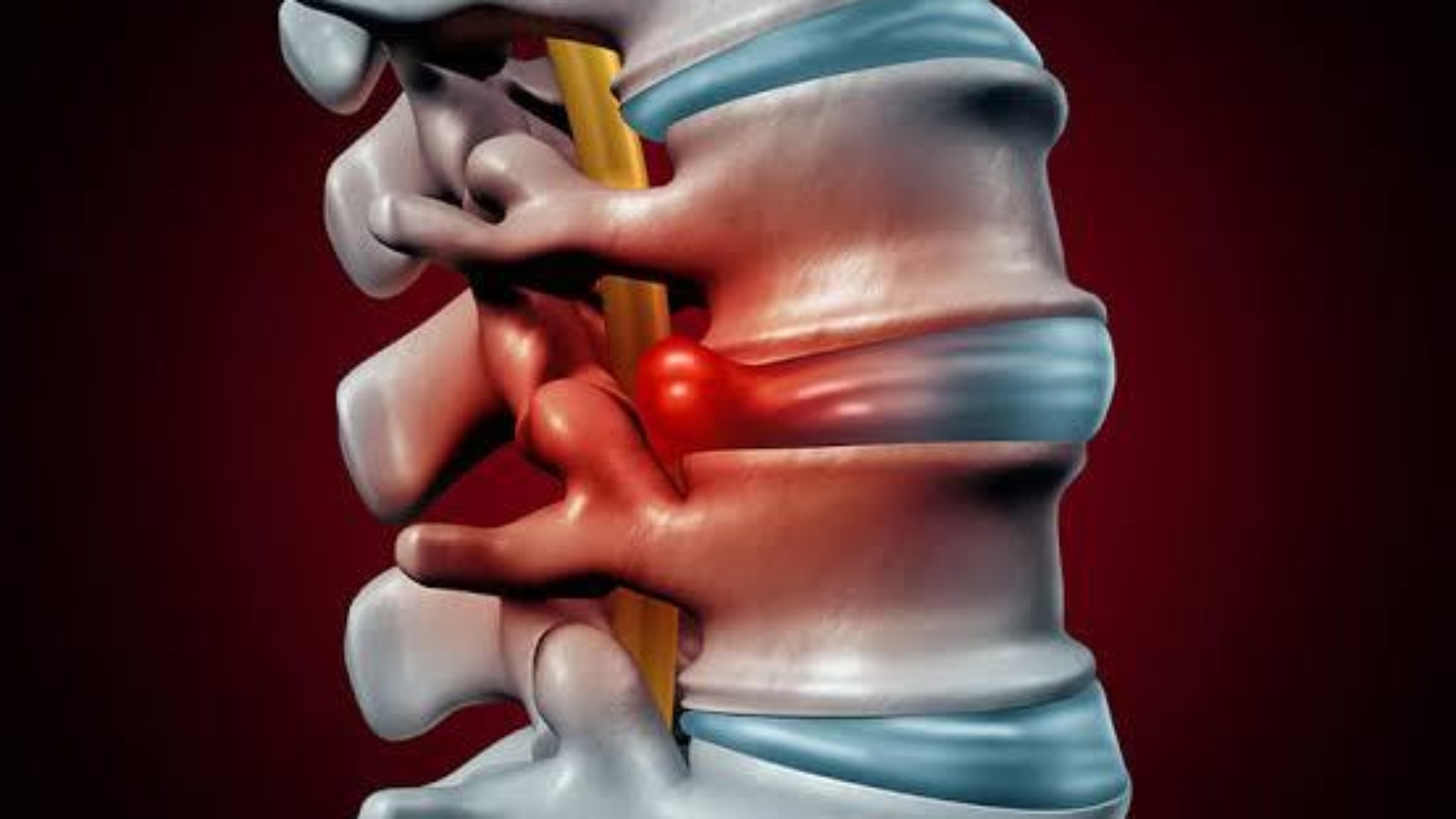
Back pain can have many causes, and one of them is a herniated disc. A herniated disc occurs when one of the soft, cushion-like discs between the bones of the spine becomes damaged and part of its inner material pushes through the outer layer.

Sometimes a herniated disc causes no noticeable symptoms. In other cases, it can irritate or compress nearby nerves, leading to pain, numbness, tingling, or weakness that may extend into an arm or leg.

Understanding the condition and recognizing when professional evaluation may be appropriate can help you take the right next step.

What Causes a Herniated Disc?

The spinal discs absorb shock and help the spine move comfortably. Over time, discs can become less flexible and more vulnerable to injury.

A herniated disc may develop because of:

  • Age-related changes in the spine
  • Repetitive lifting or twisting
  • Sudden strain or injury
  • Poor lifting technique
  • Repeated physical stress
  • Certain occupational activities

However, there is not always one obvious event that causes a disc problem.

What Does a Herniated Disc Feel Like?

Symptoms depend on the location of the affected disc and whether a nearby nerve is irritated.

Common symptoms can include:

  • Lower back or neck pain
  • Pain traveling into the leg or arm
  • Tingling or pins-and-needles sensations
  • Numbness
  • Muscle weakness
  • Pain that becomes worse with certain movements, coughing, or sneezing

For example, a herniated disc in the lower back may contribute to symptoms extending down the buttock and leg. A disc problem in the neck may cause symptoms that travel into the shoulder, arm, or hand.

When Should You Seek Medical Evaluation?

Not every herniated disc requires invasive treatment. Some people improve with conservative care and time. However, persistent or worsening symptoms should be evaluated by a qualified healthcare professional.

You should seek prompt medical attention if you experience significant weakness, severe or worsening symptoms, or changes involving bladder or bowel control.

A healthcare provider can review your symptoms, perform a physical examination, and determine whether additional testing or imaging is appropriate.

How Is a Herniated Disc Treated?

Treatment depends on the severity of symptoms and the underlying cause.

Depending on the diagnosis, treatment may include:

  • Activity modification
  • Physical therapy
  • Medication
  • Targeted injections
  • Other non-surgical pain management approaches
  • Surgical evaluation when clinically appropriate

The goal is not simply to treat the pain itself, but to understand what is causing the symptoms and develop an appropriate treatment plan.

Get Help for Persistent Spine Pain

Living with recurring back, neck, arm, or leg pain can make everyday activities more difficult. If you suspect a disc problem, getting an appropriate evaluation can help clarify what may be contributing to your symptoms.

At CWOPS, Center for Wellness Orthopedic, Pain & Spine, our team provides evaluation and treatment options for a variety of spine and pain conditions.

If persistent pain is affecting your mobility, work, sleep, or daily activities, contact CWOPS at (702) 476-9700 to discuss your symptoms and available care options.

images - 2026-09-19T031026.951

How Your Sleeping Position Can Affect Back and Neck Comfort

Sleep gives your body an opportunity to rest and recover, but the way you sleep can sometimes contribute to morning stiffness and discomfort. If you regularly wake up with a sore neck, stiff back, or aching shoulders, your sleeping position may be one factor worth considering.

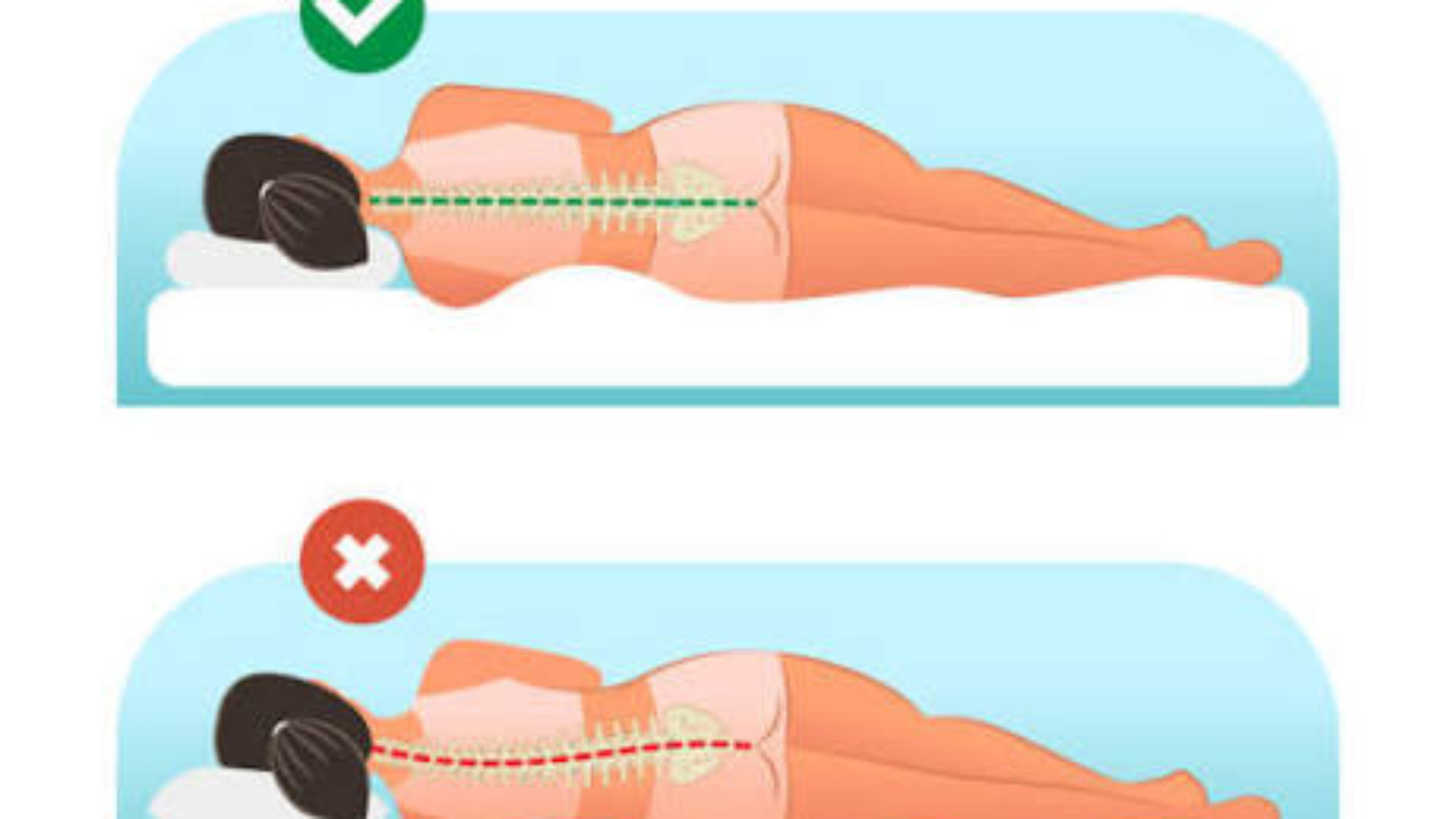
Your spine has a natural alignment that should be supported while you sleep. When your head, neck, and spine remain in an awkward position for several hours, muscles and joints may experience unnecessary strain.

People who sleep on their stomach may place additional stress on the neck because the head has to remain turned to one side. Side sleepers may experience pressure around the shoulders and hips if they do not have adequate support. Back sleepers may also experience discomfort if their pillow or mattress does not provide appropriate support.

There is no single sleeping position that works perfectly for everyone. Your comfort, body structure, existing conditions, and personal preferences all matter.

Your pillow can also make a difference. A pillow that is too high or too low may place your neck in an uncomfortable position. Ideally, your head and neck should remain reasonably aligned with the rest of your spine.

For some people, placing a pillow between the knees while sleeping on the side can provide additional support. Others may find that a pillow under the knees while sleeping on the back reduces pressure on the lower back.

However, changing your sleeping position may not solve persistent pain if an underlying orthopedic or spinal condition is present.

If you regularly wake up with significant pain, experience numbness or tingling, or continue to have symptoms throughout the day, it may be worth discussing the problem with a healthcare professional.

At CWOPS, providers evaluate symptoms in the context of the patient’s overall condition rather than assuming that sleep position is the only cause. Depending on the diagnosis, treatment may include physical therapy, pain management, lifestyle adjustments, or other appropriate care.

A better night’s sleep should leave you feeling refreshed, not more uncomfortable. Paying attention to your sleeping environment and addressing persistent symptoms can help support healthier movement during the day.

images - 2026-08-25T233911.175

What Can Cause Persistent Elbow Pain?

Elbow pain can affect people who work with their hands, play sports, exercise regularly, or perform repetitive movements throughout the day. Sometimes the discomfort develops after a clear injury. In other cases, it gradually appears without one specific event.

The elbow connects the upper and lower arm and plays an important role in lifting, gripping, reaching, and rotating the arm. Because it is involved in so many movements, repetitive stress can place significant strain on the muscles and tendons surrounding the joint.

Some elbow conditions are associated with repeated gripping or wrist movements. Others may result from direct trauma, overuse, arthritis, or irritation of nearby nerves.

Symptoms can include aching, tenderness, stiffness, swelling, weakness, or pain when gripping or lifting. Some people notice that symptoms become worse during certain activities but improve with rest.

Although temporary soreness may improve on its own, persistent elbow pain should not be ignored, particularly if it begins interfering with work, exercise, or everyday activities.

Treatment depends on the underlying cause. Depending on the condition, conservative approaches may include activity modification, physical therapy, strengthening exercises, medications, or targeted pain management treatments.

Proper rehabilitation can be especially important when repetitive movement has contributed to the problem. Gradually restoring strength and flexibility can help improve function and reduce the risk of recurrence.

At CWOPS, patients can receive an individualized evaluation to help identify what may be contributing to their elbow pain. The goal is to understand the problem and develop a treatment approach that supports improved movement and quality of life.

You don’t have to simply work around persistent elbow pain. If discomfort continues or keeps returning, professional evaluation can help you understand your options and take the next step toward recovery.

images - 2026-08-17T180658.855

What Is the Difference Between Nerve Pain and Muscle Pain?

Not all pain feels the same. Understanding whether discomfort may be coming from a muscle or a nerve can help you recognize when professional evaluation may be appropriate.

Muscle pain is often described as aching, soreness, tightness, or tenderness. It may develop after exercise, physical work, repetitive movement, or an injury. The affected area may feel sore when touched or when a particular muscle is used.

Nerve pain can feel very different. People may describe it as burning, electric, shooting, tingling, or pins and needles. Nerve-related symptoms may also include numbness or weakness.

The location of symptoms can provide clues. Muscle pain generally remains around the affected muscle, while nerve pain may travel along a specific pathway. For example, irritation of a nerve in the lower back can sometimes cause symptoms that extend into the buttock or leg.

However, symptoms can overlap. A muscle problem may cause significant discomfort, while nerve irritation may sometimes feel like a deep ache. That is why self-diagnosis can be difficult.

Certain symptoms deserve particular attention. Persistent numbness, weakness, worsening pain, or pain that travels into an arm or leg should be evaluated, especially when symptoms interfere with normal activities.

At CWOPS, providers assess the location, quality, duration, and pattern of pain when determining its possible source. Diagnostic services and other evaluations may be used when needed to better understand the condition.

Treatment depends on the diagnosis. Muscle-related conditions may respond to physical therapy, stretching, strengthening, and activity modifications. Nerve-related conditions may require a different approach, potentially including medication management or targeted pain management procedures.

The important point is that pain is a symptom, not a diagnosis.

Understanding whether your symptoms may involve muscles, joints, nerves, or the spine can help guide appropriate care. If pain continues or begins affecting your strength, sensation, sleep, or mobility, consider having it professionally evaluated.

At CWOPS, personalized care is focused on identifying the source of pain and creating a treatment strategy based on each patient’s individual needs.