
Your feet are the foundation of your movement. Every time you walk, stand, run, or climb stairs, your feet interact with the ground and help transfer forces through the rest of your body.
When foot mechanics are affected by structural differences, weakness, footwear, injury, or movement patterns, other parts of the body may sometimes have to compensate.
This does not mean that every knee, hip, or back problem starts in the feet. However, understanding the connection can be useful when dealing with recurring lower-body discomfort.
Why Do Your Feet Matter?
Your feet absorb and transfer forces every time you move.
As you walk, the foot needs to adapt to the ground while also providing enough stability to push your body forward.
This process involves the feet, ankles, knees, hips, and muscles throughout the lower body working together.
When one part of this system moves differently, other areas may compensate.
How Can Foot Mechanics Affect the Knees?
The position and movement of your feet can influence how forces travel through the lower leg and knee.
In some people, certain foot movement patterns may contribute to altered stress around the knee.
This does not mean that foot mechanics are always responsible for knee pain. Knee symptoms can have many causes, including injuries, arthritis, muscle weakness, and other conditions.
However, evaluating movement patterns can sometimes provide useful information when symptoms repeatedly occur.
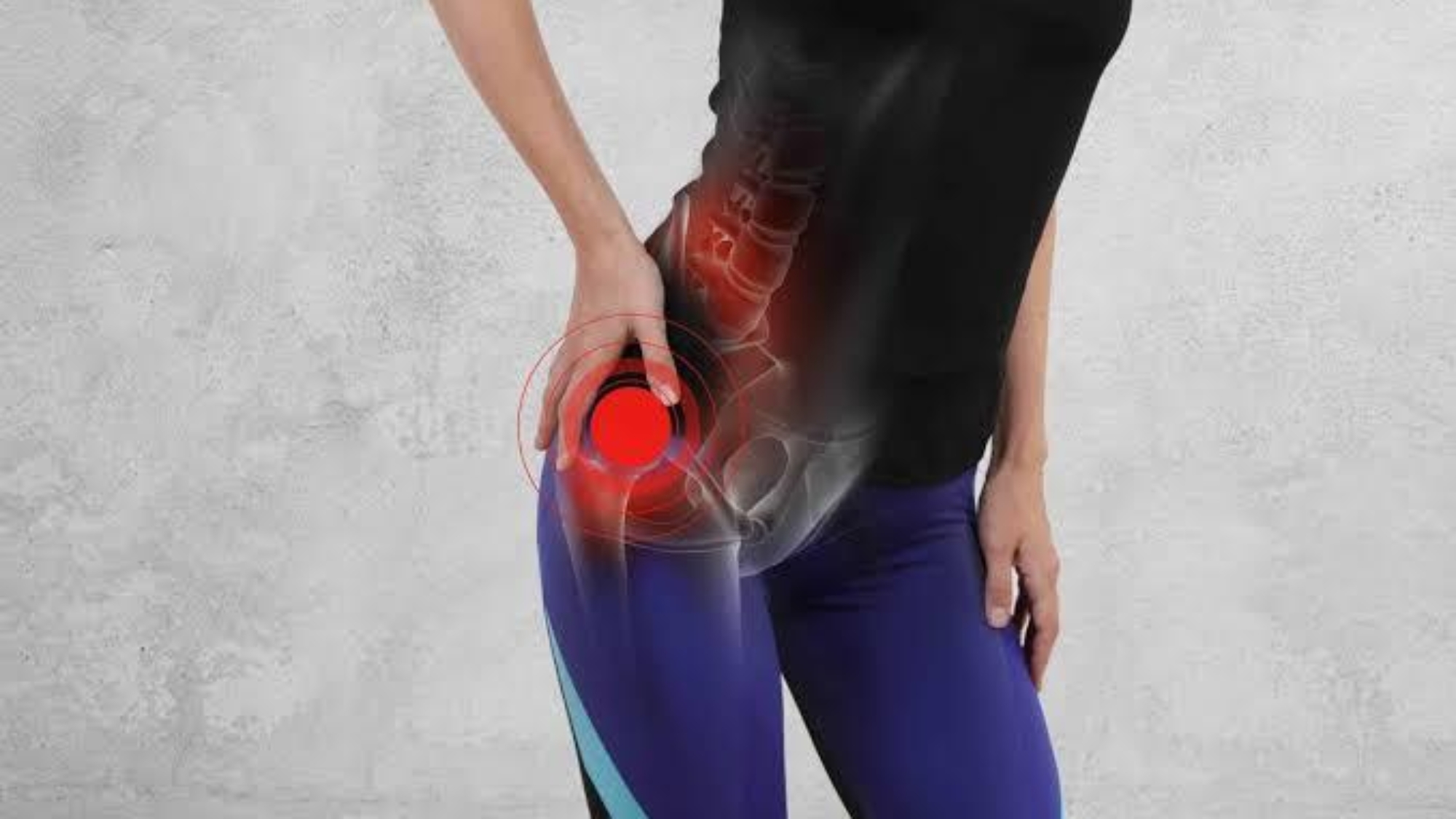
What About the Hips?
The hips play an important role in controlling the position of the legs during movement.
If the lower body is not moving efficiently, the hips may compensate for changes occurring elsewhere in the movement chain.
Over time, repetitive compensation may contribute to muscle fatigue or discomfort in some individuals.
Again, there is no single foot position that explains every hip problem. A complete evaluation is important.
Can Foot Mechanics Affect the Back?
Walking involves coordinated movement throughout the entire body.
Changes in foot or lower-limb mechanics may influence how the body absorbs and transfers forces during movement. In some cases, this may contribute to altered movement patterns involving the hips or lower back.
However, back pain has many possible causes, and foot mechanics are only one potential factor.
What Can You Do?
If you experience recurring pain while walking, running, exercising, or standing, consider looking at the bigger picture.
Useful steps may include:
- Wearing appropriate footwear
- Replacing worn-out athletic shoes
- Gradually increasing exercise intensity
- Strengthening the lower body
- Working on mobility when appropriate
- Paying attention to recurring pain
- Getting a professional movement assessment when symptoms persist
A healthcare professional or physical therapist can help determine whether movement mechanics may be contributing to your symptoms.
When Should You Seek Evaluation?
Consider professional evaluation if pain continues despite changes in activity or footwear, repeatedly returns, affects your walking pattern, or begins interfering with normal activities.
An evaluation can help determine whether the discomfort is related to the feet, ankles, knees, hips, back, or another underlying issue.
Look at the Whole Movement Chain
Your body works as a connected system. When one area is uncomfortable, looking only at the location of the pain may not always provide the complete picture.
At CWOPS, Center for Wellness Orthopedic, Pain & Spine, our team evaluates a wide range of orthopedic, spine, and pain conditions that can affect movement and quality of life.
If recurring pain is making walking, exercising, or everyday activities more difficult, contact CWOPS at (702) 476-9700 to discuss your symptoms and explore appropriate care options

Add a Comment