
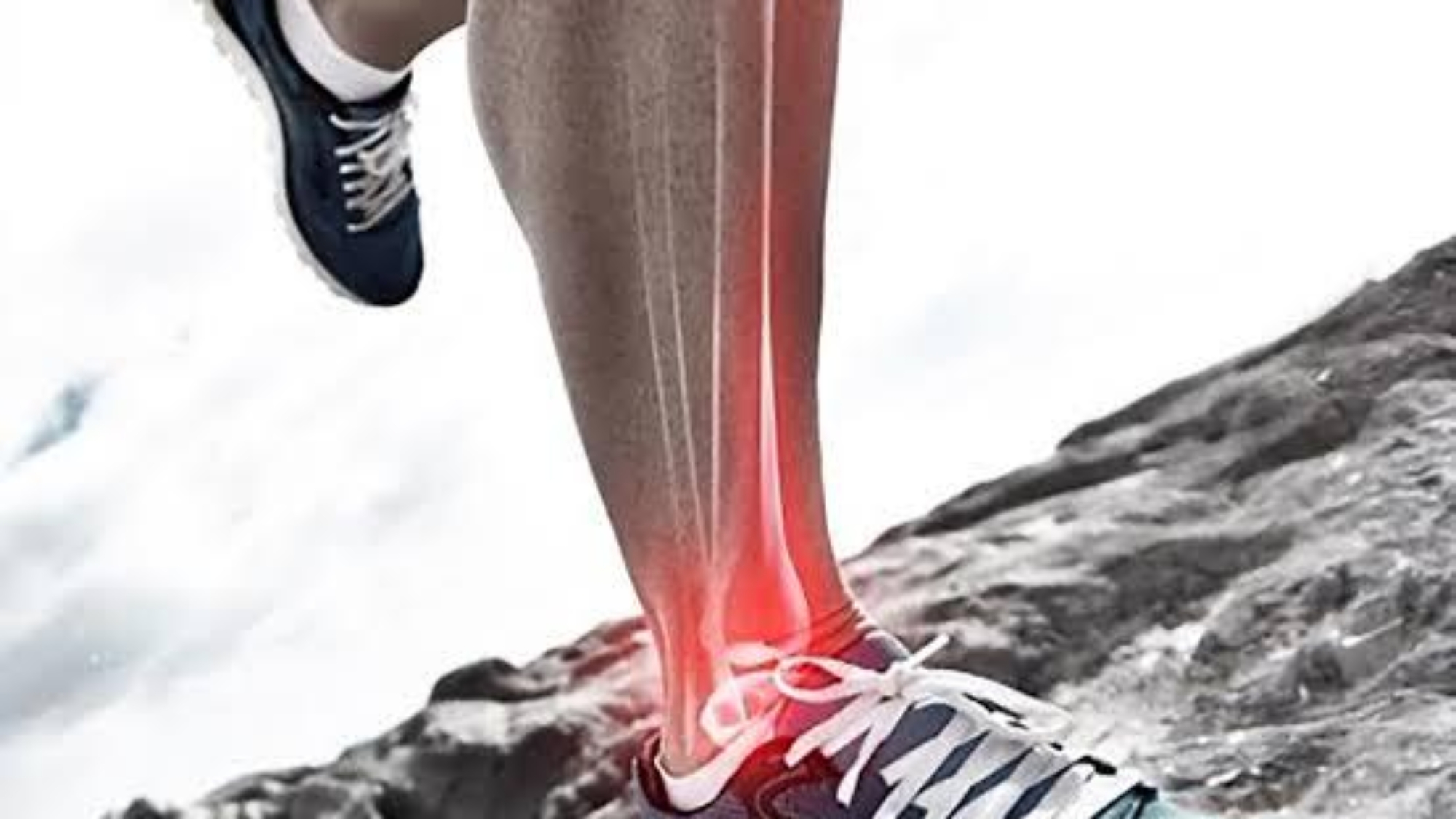
When people think about sports and exercise injuries, they often think about pulled muscles, sprained ligaments, or joint pain. But repetitive activity can also place stress on the bones.
A bone stress injury develops when repeated physical stress exceeds the body’s ability to repair and adapt. These injuries can range from early stress reactions to stress fractures.
Recognizing the warning signs can help active individuals avoid allowing a small problem to become a more significant injury.
What Is a Bone Stress Injury?
Bones are living tissues that constantly adapt to the physical demands placed on them.
With normal activity, the body has time to repair microscopic areas of stress. However, when repetitive loading increases faster than the body can recover, damage can accumulate.
This may lead to a bone stress injury.
A stress fracture is a more advanced type of bone stress injury involving a small crack in the bone.
Who Is at Risk?
Bone stress injuries can affect athletes and physically active people, but they are not limited to professional or competitive sports.
They may occur in people who:
- Suddenly increase their activity level
- Begin a new high-impact exercise program
- Increase running distance too quickly
- Repeatedly participate in impact-heavy activities
- Change training surfaces or footwear
- Do not allow adequate recovery between demanding activities
Changes in training should generally be introduced gradually to give the body time to adapt.
What Are the Warning Signs?
Pain is often the most noticeable symptom.
Unlike ordinary post-exercise soreness, pain from a bone stress injury may become more focused and persistent.
Possible warning signs include:
- Pain in a specific area of a bone
- Pain that increases with activity
- Tenderness when pressing on a particular area
- Pain that continues after exercise
- Swelling in some cases
- Pain that eventually occurs during normal daily activities
Continuing to repeatedly stress an injured area may make recovery more difficult.
How Are Bone Stress Injuries Diagnosed?
A healthcare provider may begin with a physical examination and review of your activity history.
Imaging may be recommended depending on the location and severity of symptoms. Some bone stress injuries may not be immediately visible on certain types of imaging, so the clinical history and examination remain important.
How Are They Treated?
Treatment depends on the location and severity of the injury.
It may involve:
- Reducing or temporarily stopping aggravating activities
- Switching to lower-impact activities
- Gradually returning to exercise
- Physical therapy
- Addressing training or movement factors
- Additional treatment when necessary
A gradual return to activity is often important because feeling better does not always mean the bone has completely recovered.
How Can You Reduce Your Risk?
You cannot prevent every sports injury, but sensible training habits can reduce unnecessary stress.
Consider:
- Increasing activity gradually
- Allowing adequate recovery
- Using appropriate footwear
- Varying high-impact activities when appropriate
- Paying attention to persistent pain
- Avoiding repeatedly training through significant pain
If a particular area repeatedly hurts during activity, it is worth finding out why rather than simply pushing through it.
Get Persistent Activity-Related Pain Evaluated
Being active is an important part of a healthy lifestyle, but persistent pain is a signal worth paying attention to.
At CWOPS, Center for Wellness Orthopedic, Pain & Spine, our team evaluates a variety of orthopedic and musculoskeletal conditions affecting active individuals.
If activity-related pain is not improving or is beginning to affect your everyday movement, contact CWOPS at (702) 476-9700 to discuss your symptoms and available care options.

Add a Comment