
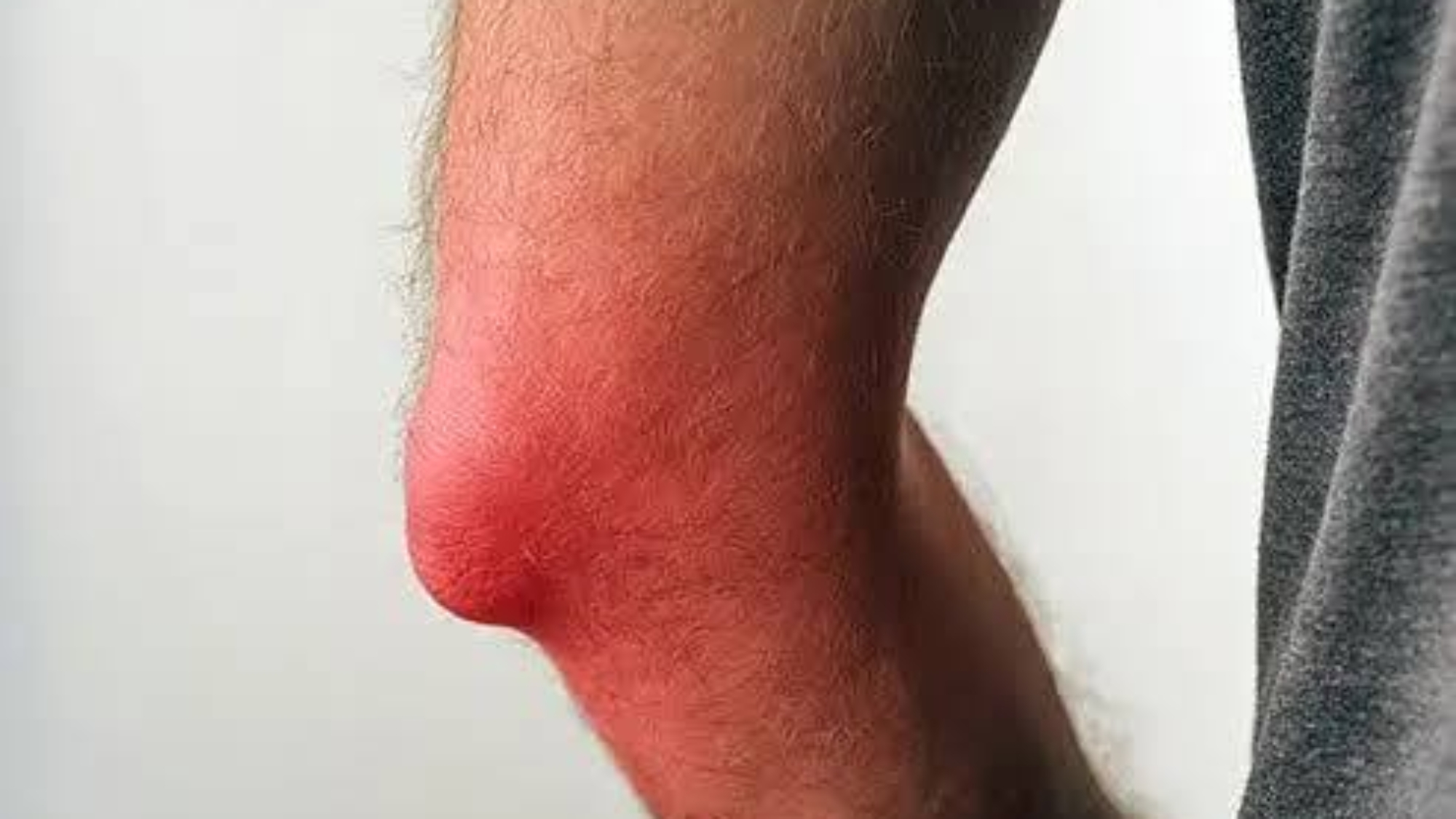
Pain around a joint does not always mean the joint itself is damaged. In some cases, the discomfort may involve a small fluid-filled structure called a bursa.
When a bursa becomes irritated or inflamed, the condition is known as bursitis. It can cause localized pain and tenderness and may make certain movements uncomfortable.
Bursitis can affect different areas of the body, including the shoulder, elbow, hip, knee, and heel.
What Are Bursae?
Bursae are small sacs filled with fluid that help reduce friction between bones, tendons, muscles, and other tissues.
They act somewhat like cushions, allowing different structures to move more smoothly against one another.
When a bursa becomes irritated, movement can become painful.
What Causes Bursitis?
Bursitis can develop for different reasons.
Common contributing factors may include:
- Repetitive movements
- Prolonged pressure on a joint
- Repeated kneeling
- Frequent overhead activity
- Certain sports or occupational activities
- Direct impact or injury
- Underlying inflammatory conditions
For example, repeatedly placing pressure on the knees may contribute to irritation of the bursae around the knee.
What Does Bursitis Feel Like?
Symptoms depend on which bursa is affected.
Common symptoms may include:
- Localized pain
- Tenderness
- Swelling
- Warmth around the affected area
- Discomfort during movement
- Increased pain when pressure is placed on the area
The pain may become more noticeable when performing the activity that originally irritated the area.
How Is Bursitis Diagnosed?
Because several conditions can cause similar symptoms, identifying the source of pain is important.
A healthcare provider may evaluate:
- Where the pain is located
- When symptoms began
- Activities that make symptoms worse
- Whether swelling is present
- Your range of motion
- Your medical and injury history
Depending on the symptoms, additional testing or imaging may sometimes be recommended.
How Is Bursitis Treated?
Treatment depends on the underlying cause and severity.
Possible approaches may include:
- Reducing or modifying aggravating activities
- Resting the affected area when appropriate
- Physical therapy
- Medication when appropriate
- Targeted injections in selected cases
- Other pain management treatments
If an underlying condition is contributing to repeated inflammation, treating that condition may also be part of the overall plan.
When Should You Get Professional Help?
If pain continues despite reasonable activity modification, repeatedly returns, becomes increasingly uncomfortable, or interferes with normal movement, consider getting an evaluation.
It is especially important to seek medical attention when swelling, redness, warmth, fever, or significant pain develops, as these symptoms may require further evaluation.
Find the Right Approach for Your Joint Pain
Not every painful joint problem has the same cause, which means treatment should be based on an appropriate evaluation rather than assumptions.
At CWOPS, Center for Wellness Orthopedic, Pain & Spine, we help patients understand the potential sources of orthopedic and musculoskeletal pain and explore appropriate treatment options.
If persistent joint pain is affecting your daily routine, contact CWOPS at (702) 476-9700 to learn more about evaluation and available care.

Add a Comment