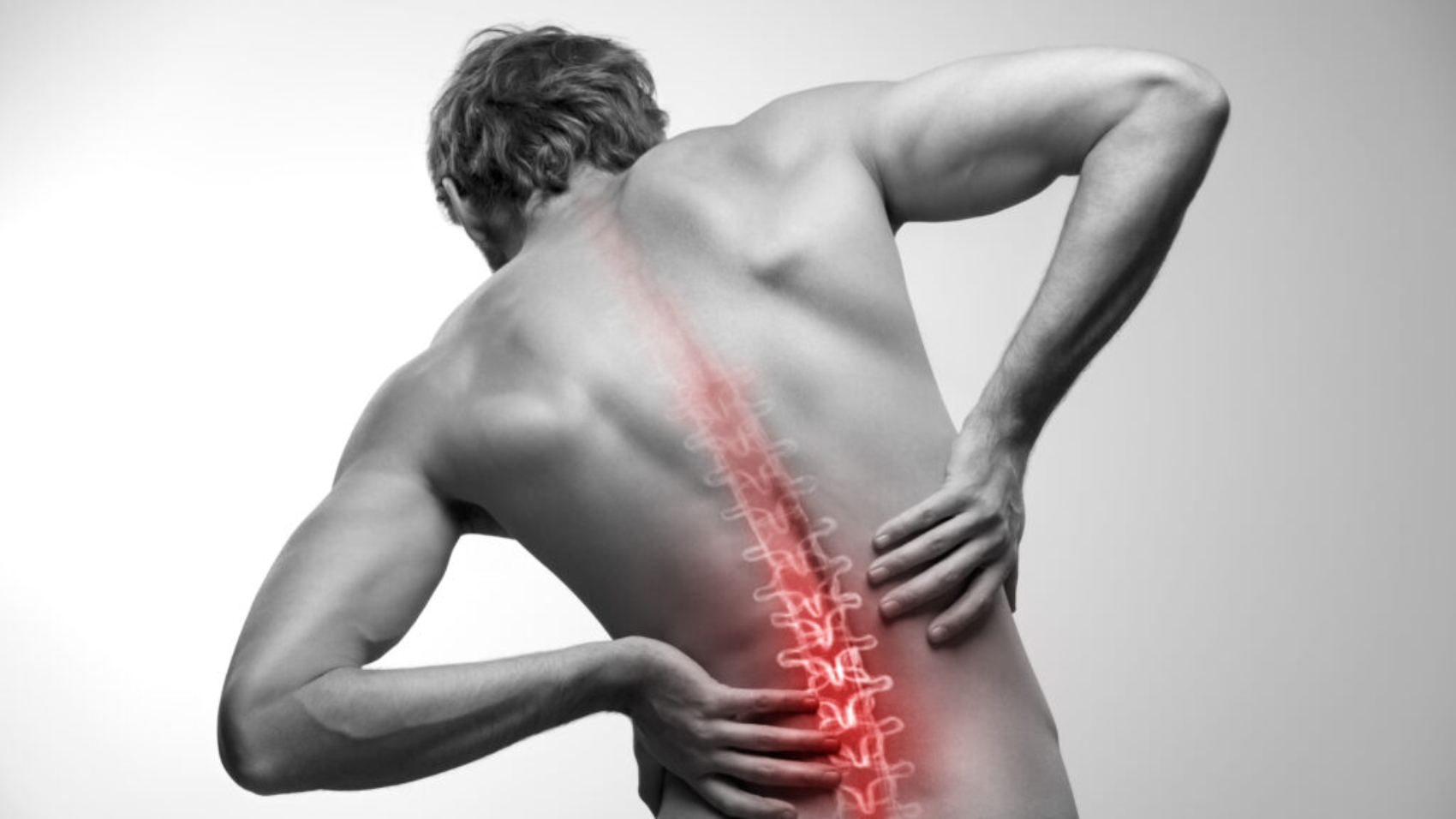
neck-pain-after-car-accident

Neck Pain After Car Accident How Long to Last: Expert Pain Relief at CWPC Las Vegas & Henderson

The drive home down I-15 felt fine. Then morning came, and you couldn’t turn your head to check your blind spot. If you’re searching for answers about neck pain after a car accident, you’re not alone, thousands of Clark County drivers ask this same question after a rear-end collision on US-95 or a fender bender near the Strip.

Whiplash and post-collision neck pain can fade in days, drag on for months, or settle in as chronic pain. The difference often comes down to early, evidence-based care. At CWPC (Center for Wellness & Pain Care), Dr. Neville Campbell, M.D./M.B.A., leads a non-surgical, interventional pain team that treats post-accident neck injuries every week in Las Vegas and Henderson.

You don’t have to live with neck pain after a car accident or wonder how long it will last.

What Is Post-Accident Neck Pain? A Plain-English Guide for Nevada Patients

When a vehicle stops suddenly, your head whips forward and back faster than your neck muscles can react. That rapid motion stretches ligaments, strains muscles, and irritates the small facet joints between your cervical vertebrae. The result is what most patients call whiplash and the reason “neck pain after car accident how long to last” is one of the most searched phrases by Nevada drivers each year.

Think of your neck like a stack of seven blocks balanced on a spring. A sudden jolt knocks them out of alignment. Mild cases settle within 2–4 weeks. Moderate strains can take 3–6 months. And a meaningful number of patients develop chronic symptoms that persist beyond six months without proper treatment.

Local triggers we see most often include rear-end collisions during stop-and-go traffic on I-15 near the Spaghetti Bowl, side-impact crashes at busy Henderson intersections along Stephanie Street, and accidents on the 215 Beltway during rush hour. Each mechanism injures the neck slightly differently, which is why a personalized treatment plan matters more than a one-size-fits-all protocol.

5–7 Signs You Need Treatment for Post-Accident Neck Pain

Many drivers brush off soreness in the days after a crash, hoping it’ll fade. But certain warning signs mean you should see a pain specialist before the injury turns chronic.

  • Pain that worsens 24–72 hours after the crash. Adrenaline masks symptoms at the scene. If you’re stiffer the third morning after a fender bender on Charleston Blvd than the day it happened, that’s a red flag.
  • Sharp pain that flares during stop-and-go traffic. Patients commuting on the 215 near Green Valley often notice spasms every time they check their mirrors.
  • Headaches starting at the base of the skull. Cervicogenic headaches signal facet joint irritation, common after Summerlin parking-lot collisions.
  • Tingling, numbness, or weakness in your arms or hands. This suggests possible nerve root involvement and needs prompt evaluation.
  • Dizziness, ringing in the ears, or blurred vision. These symptoms can point to soft-tissue injury affecting balance and proprioception.
  • Disrupted sleep from neck pain. Construction workers from Centennial Hills tell us they wake every time they turn over.
  • Limited range of motion lasting more than two weeks. Active retirees in Sun City Anthem who can’t comfortably reverse out of the driveway shouldn’t wait it out.

Any combination of these signs means it’s time to get evaluated.

How CWPC Treats Neck Pain After a Car Accident (Non-Surgical Focus)

Treatment at CWPC starts with diagnosis, not assumptions. Dr. Campbell and the clinical team identify the exact pain generator, facet joint, disc, nerve root, or muscular then build a personalized plan. Most patients improve with one or more of the following non-surgical options:

  1. Epidural Steroid Injections — When a crash irritates a nerve root or causes disc-related inflammation, a targeted epidural delivers anti-inflammatory medication directly to the source. This calms the swelling that drives radiating pain into the shoulders and arms.
  2. Radiofrequency Ablation (RFA) — For chronic facet-joint pain that persists past the acute phase, RFA uses heat to interrupt pain signals from the small nerves serving those joints. Relief commonly lasts 6–12 months and helps patients return to driving and work.
  3. Stem Cell Therapy / Regenerative Medicine — Regenerative injections may support healing of injured soft tissues and discs. This option suits patients whose imaging shows degenerative changes worsened by the collision.
  4. Spinal Cord Stimulation (SCS) — For the small share of patients whose post-accident neck pain becomes chronic and treatment-resistant, SCS masks pain signals before they reach the brain.
  5. Medication Management — Safe, monitored use of muscle relaxants, anti-inflammatories, and nerve-pain medications bridges the gap during early recovery without long-term opioid reliance.
  6. Physical Therapy Referral — Restoring strength in the deep neck stabilizers and improving range of motion prevents re-injury. We coordinate with trusted PT partners across Las Vegas and Henderson.

The goal isn’t simply to quiet symptoms, it’s to restore mobility and quality of life.

Why Las Vegas & Henderson Patients Trust CWPC for Post-Accident Neck Pain

Dr. Neville Campbell brings something most pain clinics don’t: dual training as a physician (M.D.) and a business leader (M.B.A.). That combination produces efficient, patient-centered care, shorter waits, clearer communication, and treatment plans that align with what your insurance actually covers.

CWPC accepts Auto Liens (LOA) for personal injury cases, Nevada Workers’ Compensation, Medicare, Aetna, Cigna, UnitedHealthcare, Anthem BCBS, HPN, Prominence, and Nevada Medicaid. If you were rear-ended on US-95 and don’t yet have a settlement, we can treat you on a lien until your case resolves. That removes the biggest barrier patients face after an accident.

You also don’t need a primary care referral. Nevada allows self-referral, so you can call CWPC directly and book an appointment for a neck injury without waiting weeks for a referral chain.

Patient experiences speak louder than promises:

“Charles Garrido is amazing. So caring and warm. He really listens and that makes all the difference!” — Faith Sedgwick (Cimarron location)

That’s the standard we hold across both clinics. We restore mobility — not just manage symptoms.

Meet Dr. Neville Campbell: The Physician Behind CWPC

Dr. Neville Campbell, M.D./M.B.A., is the lead physician at the Center for Wellness & Pain Care. His mission is straightforward: relieve chronic pain and restore health, comfort, and quality of life for every patient who walks through the door.

A recognized leader in interventional pain management, Dr. Campbell has built a clinical environment where collaboration drives outcomes. Nurse practitioners, physician assistants, and support staff work alongside him to tailor each treatment plan to the patient, not the other way around.

That team approach matters most with post-accident injuries, where progress can stall if one piece of the plan is off. Patients in Las Vegas and Henderson choose CWPC because they get compassionate, evidence-based care from a physician who treats them like a person, not a chart number.

Real Patients, Real Results

Trust is earned one appointment at a time. CWPC has earned it across both Las Vegas and Henderson clinics and patients consistently share what made the difference for them.

“Charles Garrido is amazing. So caring and warm. He really listens and that makes all the difference!” — Faith Sedgwick (Cimarron location)

“I see Doctor Angeline Lim. Every time I go, I get the best service and smile from receptionist Zack. They treat me like family.” — Ruby Anaya (Pecos/Henderson location)

CWPC maintains a 4.7-star rating across 481+ Google reviews. Those reviews come from construction workers recovering from on-the-job neck injuries, drivers rebuilding after collisions on the 215, and retirees who finally returned to hiking Red Rock Canyon after years of chronic pain. Each story reflects what the team works toward every day: real relief and a return to the life you had before the pain started.

Frequently Asked Questions About Neck Pain After a Car Accident

  1. Can neck pain after car accident how long to last be managed without surgery?

Yes — most post-accident neck pain responds well to non-surgical care including injections, RFA, physical therapy, and medication management. Surgery is reserved for cases involving structural damage that conservative treatment can’t address.

  1. Does CWPC accept my insurance for neck pain treatment?

CWPC accepts Medicare, Nevada Medicaid, Aetna, Cigna, UnitedHealthcare, Anthem BCBS, HPN, Prominence, Nevada Workers’ Compensation, and Auto Liens (LOA). Our team verifies your benefits before your first appointment so there are no surprises.

  1. How quickly can I get an appointment for neck pain in Las Vegas or Henderson?

Same-day or next-day appointments are often available for auto accident and workers’ compensation patients. Call (702) 476-9700 to schedule directly.

  1. Do I need a referral from my primary care doctor?

No. Nevada is a self-referral state, which means you can book directly with CWPC without going through your primary care physician first.

  1. What results can I expect from neck pain treatment at CWPC?

Many patients report meaningful improvement within 2–6 weeks of starting a personalized plan. Outcomes depend on injury severity, time since the accident, and adherence to the treatment plan.

  1. How long does each treatment session take?

Initial consultations typically run 45–60 minutes. Injections and procedures usually take 15–30 minutes, with brief observation afterward before you head home.

  1. Do you treat auto accident–related neck pain with liens/LOA?

Yes. CWPC routinely treats personal injury patients on a Letter of Protection until their case settles. That means no out-of-pocket cost during treatment.

  1. Do you accept Nevada workers’ compensation for neck pain?

Yes. We’re approved providers for Nevada Workers’ Compensation and handle the paperwork directly with your claims adjuster.


56

Detox, Defend, and Defy Aging: Why Glutathione Is the Wellness Boost You’ve Been Waiting For Body:

If you’ve been feeling run-down, bloated, low on energy, or noticing the effects of aging more than usual—your body might be crying out for a detox. But we’re not talking about juice cleanses or restrictive diets. We’re talking about Glutathione—your body’s most powerful natural antioxidant.

At the Center for Wellness & Pain Care of America, we’re offering a $10 discount on Glutathione injections this month to help you hit the reset button on your health.


🌿 What Is Glutathione?

Glutathione is a naturally occurring molecule found in every cell of your body. Known as the “Master Antioxidant,” it helps protect your cells from damage, supports liver function, enhances energy production, and slows the signs of aging.

As we age—or endure stress, poor diet, or environmental toxins—our glutathione levels drop. That’s when supplementation can make a world of difference.


💪 The Benefits of Glutathione Injections:

  • 🧬 Anti-Aging Effects: Supports collagen production, helping reduce wrinkles and improve skin elasticity.

  • ♻️ Deep Detoxification: Flushes toxins, supports liver health, and protects against harmful pollutants.

  • ⚡ Improved Energy Levels: Enhances mitochondrial function—your body’s energy centers.

  • 🛡️ Immune Boost: Strengthens immune cell performance and helps manage inflammation.

  • 🧯 Antioxidant Defense: Neutralizes harmful free radicals to protect overall cellular health.


💥 Why Now?

Our bodies face more environmental stress than ever. Whether it’s pollution, stress, processed foods, or just the hustle of everyday life, Glutathione is a must-have for long-term wellness.

And for a limited time only, we’re offering $10 off your Glutathione injection to help you start your detox journey strong.


🗓️ Offer Details:

📍 Location: Center for Wellness & Pain Care of America
💰 Promotion: $10 OFF Glutathione Injection
📅 Valid: Through May 31
📞 Call Today: (702) 476-9700
🌐 Visit: www.cwpcvlv.com


Ready to give your body the reset it deserves?
Your detox journey starts now—safe, effective, and physician-guided.

#GlutathioneGlow #DetoxNaturally #AntiAgingSupport #WellnessReset #BoostYourImmunity #CWPCWellness

weight-loss

Boost Your Weight Loss with Lipo Blend – $15 OFF This February!

If you’re looking for an extra boost in your weight loss journey, Lipo Blend might be exactly what you need! This advanced weight loss supplement is designed to support fat metabolism, increase energy levels, and help you achieve your goals faster. And this February, we’re offering $15 OFF so you can experience the benefits for yourself!

What is Lipo Blend?

Lipo Blend is a specialized supplement formulated to enhance weight loss by promoting fat breakdown, improving metabolism, and supporting liver function. It contains essential nutrients that work together to help your body burn fat more efficiently while keeping your energy levels high.

How Does Lipo Blend Work?

Lipo Blend works by:
✅ Boosting Metabolism – Speeds up fat burning and calorie utilization.
✅ Enhancing Fat Breakdown – Supports the liver in processing and eliminating fat.
✅ Increasing Energy Levels – Helps prevent sluggishness so you can stay active.
✅ Supporting Overall Wellness – Provides essential nutrients for optimal body function.

Who Can Benefit from Lipo Blend?

Lipo Blend is great for anyone looking to:
💪 Overcome weight loss plateaus
🔥 Burn stubborn fat more effectively
⚡ Stay energized throughout the day
🏃‍♀️ Enhance fitness and wellness goals

February Special – Save $15 on Lipo Blend!

For a limited time, you can get $15 OFF your Lipo Blend treatment! Whether you’re just starting your weight loss journey or looking to maximize your results, this is the perfect time to try it out.

📅 Offer valid through February – Don’t miss out!

📍 Book your appointment today and take the next step toward a healthier, leaner you!

#WeightLoss #LipoBlend #FatBurning #WellnessBoost #EnergyBoost

elder-man-with-back-pain-scaled

5 Essential Tips for Managing Chronic Pain

Introduction: Living with chronic pain can be challenging, but with the right strategies, it’s possible to improve daily life and overall well-being. At CWPC, we understand the complexities of chronic pain management and are dedicated to helping our patients find effective solutions.

Tip 1: Understanding Your Pain: Begin by identifying the type and source of your pain. Consult with our experienced doctors at CWPC to get a comprehensive diagnosis. Understanding your pain better can lead to more targeted treatment plans.

Tip 2: Developing a Holistic Treatment Plan: At CWPC, we advocate for a holistic approach to pain management. Beyond medications, consider incorporating therapies such as physical therapy, acupuncture, or mindfulness techniques into your treatment plan. Our specialists can tailor a plan that suits your unique needs.

Tip 3: Prioritizing Self-Care: Self-care plays a crucial role in managing chronic pain. This includes maintaining a healthy diet, getting regular exercise (as recommended by your healthcare provider), practicing relaxation techniques, and ensuring adequate sleep. CWPC can provide guidance on lifestyle adjustments that complement your treatment.

Tip 4: Connecting with Support Networks: Living with chronic pain can sometimes feel isolating. Joining support groups or online communities can provide emotional support, practical advice, and encouragement. CWPC offers resources to help you connect with others who understand your journey.

Tip 5: Educating Yourself and Others: Knowledge empowers. Take the time to educate yourself about your condition and treatment options. Encourage your loved ones to learn about chronic pain as well, fostering understanding and empathy.

Conclusion: Managing chronic pain is a journey that requires patience and persistence. At CWPC, our team of dedicated doctors and specialists are here to support you every step of the way. Contact us today to learn more about our comprehensive pain management services and how we can assist you in improving your quality of life.

Lower back pain

10 Tips to Maintain Good Posture and Alleviate Back Pain

Maintaining good posture is essential for overall health and well-being, particularly when it comes to preventing and alleviating back pain. At the Center for Wellness and Pain Care (CWPC), we understand the impact that poor posture can have on your daily life. Here are ten tips to help you maintain good posture and keep back pain at bay:

  1. Stand Tall
    • When standing, keep your feet shoulder-width apart, distribute your weight evenly on both feet, and avoid locking your knees. Engage your core muscles and keep your shoulders back and relaxed. Imagine a string pulling you up from the top of your head to help elongate your spine.
  2. Sit Smart
    • Choose a chair that supports your natural spinal curves. Sit back in the chair with your feet flat on the floor and your knees at a right angle. Use a small cushion or lumbar roll to maintain the natural curve of your lower back. Avoid slouching or leaning forward.
  3. Take Breaks
    • If you sit for extended periods, take regular breaks to stand up, stretch, and walk around. This helps to relieve pressure on your spine and prevent stiffness. Aim to take a break every 30 minutes.
  4. Adjust Your Workspace
    • Ensure that your workstation is ergonomically friendly. Your computer screen should be at eye level, and your chair should support your lower back. Keep your keyboard and mouse within easy reach to avoid straining your shoulders and wrists.
  5. Sleep Right
    • Choose a mattress and pillow that provide adequate support for your spine. Sleep on your back or side rather than on your stomach to maintain the natural alignment of your spine. If you sleep on your side, place a pillow between your knees to reduce strain on your lower back.
  6. Strengthen Your Core
    • A strong core is crucial for good posture. Incorporate exercises that target your abdominal and lower back muscles into your fitness routine. Planks, bridges, and pelvic tilts are effective exercises for building core strength.
  7. Stay Active
    • Regular physical activity helps to keep your muscles strong and flexible, reducing the risk of back pain. Engage in activities like walking, swimming, or yoga to maintain overall fitness and promote good posture.
  8. Mind Your Movements
    • Be mindful of your movements when lifting objects. Bend at the hips and knees, not at the waist, and use your leg muscles to lift. Hold objects close to your body and avoid twisting your torso while lifting.
  9. Wear Supportive Footwear
    • Choose shoes that provide good arch support and cushioning. Avoid wearing high heels for prolonged periods, as they can throw off your balance and affect your posture. If necessary, use orthotic inserts to improve foot alignment.
  10. Practice Posture Awareness
    • Pay attention to your posture throughout the day. Make a conscious effort to correct any slouching or poor alignment. Consider using posture-correcting devices or apps that remind you to maintain good posture.

Maintaining good posture is a simple yet effective way to prevent back pain and promote overall health. If you’re experiencing chronic back pain or need further guidance on maintaining good posture, our team at CWPC is here to help. Contact us today to schedule a consultation and take the first step towards a pain-free life.


About CWPC: At the Center for Wellness and Pain Care, we are dedicated to providing comprehensive pain management solutions tailored to your unique needs. Our team of experienced specialists is committed to helping you achieve a higher quality of life through personalized treatment plans and compassionate care. Visit our website at CWPC to learn more about our services and schedule an appointment.

Regenerative-Institute-of-Newport-Beach-Rich-Link[1]

The Connection Between Sleep and Pain: Improving Sleep Hygiene for Pain Relief

Introduction:

The relationship between sleep and pain is a complex one, with each influencing the other in significant ways. For those dealing with chronic pain, disrupted sleep can exacerbate symptoms, while poor sleep hygiene can contribute to increased pain sensitivity. In this blog post, we’ll delve into the connection between sleep and pain, exploring how prioritizing good sleep hygiene can lead to better pain management outcomes. Additionally, we’ll discuss how centers for wellness and pain care can play a crucial role in addressing both sleep disturbances and chronic pain.


Understanding the Sleep-Pain Connection:

Sleep plays a vital role in regulating various bodily functions, including pain perception and tolerance. Studies have shown that inadequate sleep can lower pain thresholds, making individuals more sensitive to discomfort. Conversely, chronic pain conditions often disrupt sleep patterns, leading to difficulties falling asleep, staying asleep, or experiencing restorative sleep stages. This creates a vicious cycle where pain disrupts sleep, and poor sleep exacerbates pain, creating a cycle that can be challenging to break.


Improving Sleep Hygiene for Pain Relief:

Fortunately, there are several strategies individuals can adopt to improve their sleep hygiene and alleviate pain-related sleep disturbances:


Establish a Consistent Sleep Schedule: Going to bed and waking up at the same time every day helps regulate your body’s internal clock, promoting better sleep quality and pain management.


Create a Relaxing Bedtime Routine: Engage in calming activities before bedtime, such as reading, taking a warm bath, or practicing relaxation techniques like deep breathing or meditation, to signal to your body that it’s time to wind down.


Create a Comfortable Sleep Environment: Ensure your bedroom is conducive to sleep by keeping it cool, dark, and quiet. Invest in a comfortable mattress and pillows that provide adequate support for your body.


Limit Screen Time Before Bed: The blue light emitted by electronic devices can interfere with the production of melatonin, the hormone responsible for regulating sleep-wake cycles. Limit screen time at least an hour before bedtime to promote better sleep quality.


Avoid Stimulants and Heavy Meals Before Bed: Caffeine, nicotine, and heavy or spicy foods can disrupt sleep and exacerbate pain. Opt for light, nutritious snacks if you’re hungry before bed, and avoid stimulants in the evening hours.


How Centers for Wellness and Pain Care Can Help:

Centers for wellness and pain care offer comprehensive approaches to managing chronic pain, addressing both physical and psychological aspects of the condition. These centers typically employ multidisciplinary teams of healthcare professionals, including physicians, physical therapists, psychologists, and nutritionists, who work collaboratively to develop personalized treatment plans for each patient.


In the context of sleep and pain management, these centers may offer specialized services such as:


Sleep assessments to identify underlying sleep disorders contributing to pain

Cognitive-behavioral therapy for insomnia (CBT-I) to address maladaptive sleep habits and thought patterns


Pain-focused physical therapy to improve mobility, posture, and musculoskeletal function, promoting better sleep quality


Mindfulness-based stress reduction (MBSR) programs to help individuals cultivate a sense of relaxation and reduce pain-related anxiety before bedtime


Conclusion:

Prioritizing good sleep hygiene is essential for effectively managing chronic pain and improving overall well-being. By adopting healthy sleep habits and seeking support from centers for wellness and pain care, individuals can break the cycle of sleep disturbances and pain, leading to better quality sleep and reduced discomfort. Remember that finding the right combination of strategies may require patience and experimentation, but the benefits of improved sleep and pain relief are well worth the effort.