images - 2026-08-17T180339.994

How Previous Injuries Can Affect Your Body Years Later

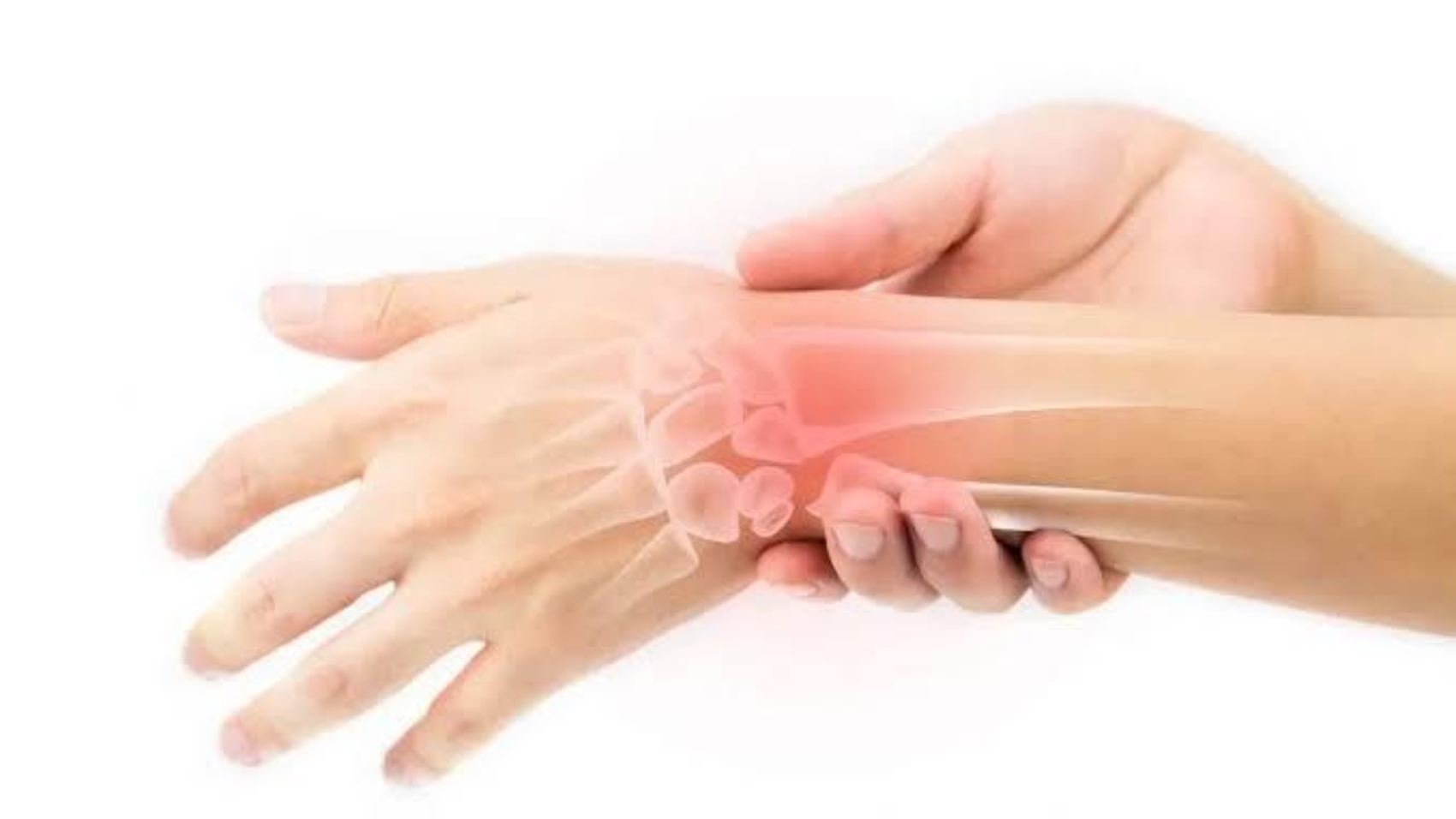
An injury may appear to heal completely, but that does not always mean your body has returned to exactly the way it functioned before the injury.

A previous fracture, sprain, muscle injury, or joint problem can sometimes affect movement patterns long after the original pain has disappeared. These changes may become noticeable months or even years later.

For example, someone who previously injured one knee may unconsciously place more weight on the opposite leg. Over time, this compensation can change the way the hips, knees, and lower back move.

Muscle weakness can also remain after an injury. If rehabilitation was incomplete, the affected area may not regain its previous strength or flexibility. This can make the area more vulnerable to future problems.

Scar tissue and changes in joint movement may also contribute to stiffness or discomfort.

This does not mean every old injury will eventually cause chronic pain. Many people recover fully and return to normal activities. However, recurring symptoms in an area that was previously injured deserve attention, particularly if they interfere with movement.

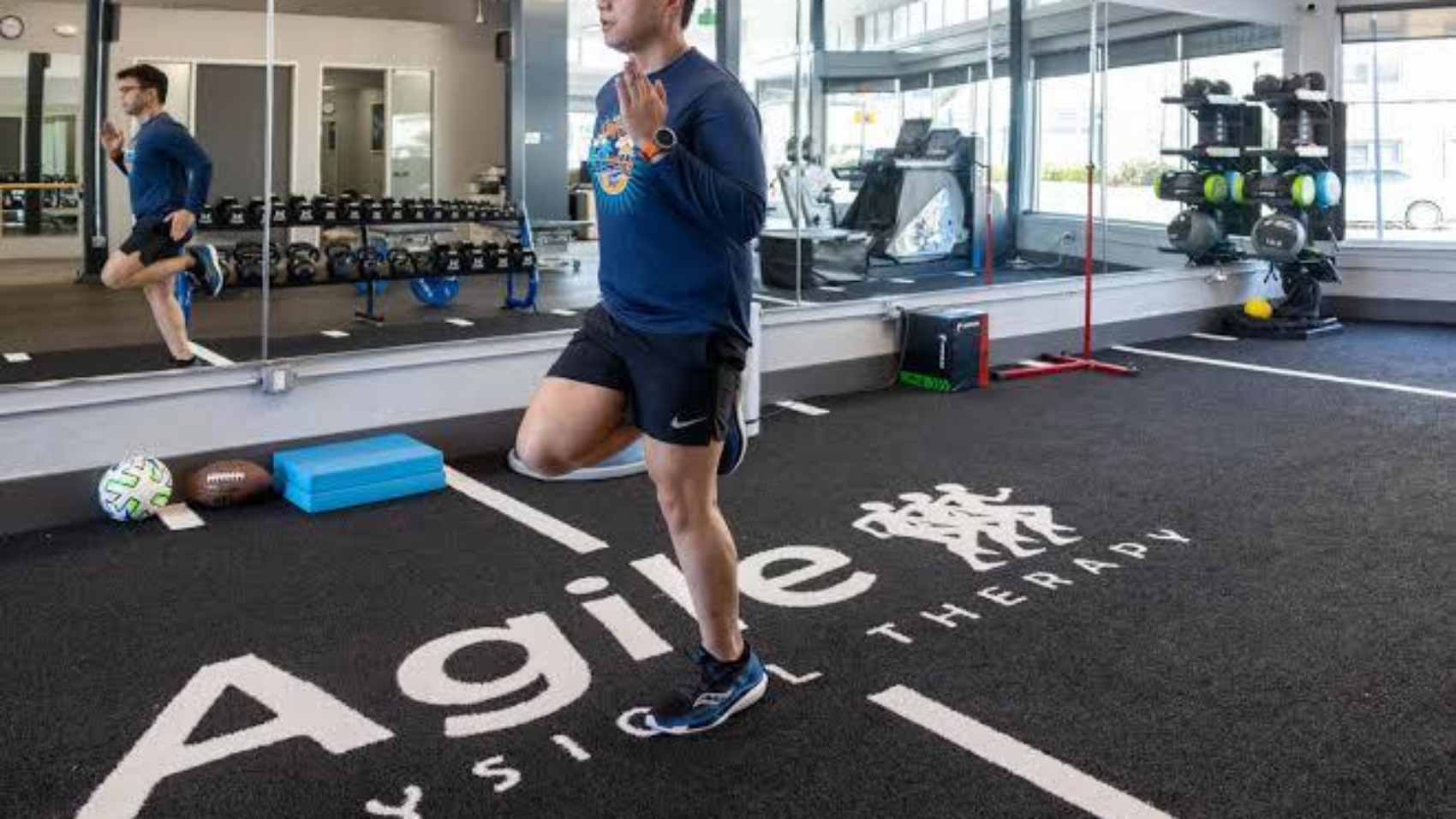
One of the best ways to support recovery after an injury is to follow an appropriate rehabilitation program. Strengthening the surrounding muscles, restoring flexibility, and gradually returning to activity can help improve function.

At CWOPS, providers can evaluate persistent or recurring symptoms and determine whether an old injury may be contributing to current discomfort. A treatment plan can then be designed around your present condition and functional goals.

Treatment may include physical therapy, activity modifications, pain management techniques, or minimally invasive procedures when appropriate.

Your body does not necessarily have to remain limited by an injury from years ago. If an old injury is affecting your current movement or causing recurring pain, an evaluation can help identify what may be contributing to the problem.

Addressing these issues can help restore confidence in movement and make everyday activities more comfortable.
images (91)

Recognizing the Early Signs of Tendon Injuries

Tendons connect muscles to bones and play an essential role in movement. Because they are used constantly, tendons can become irritated or damaged over time, especially with repetitive activities.

Early symptoms of a tendon injury often include mild pain during movement, tenderness around a joint, stiffness after resting, or swelling near the affected area. Many people ignore these warning signs and continue their usual activities, which can lead to more serious damage.

Common tendon injuries affect the shoulders, elbows, knees, and ankles. Athletes, active individuals, and people with physically demanding jobs are particularly at risk.

Early treatment typically includes activity modification, physical therapy, anti-inflammatory treatments, and exercises that gradually restore strength and flexibility. Addressing the injury before it worsens often leads to a faster recovery.

At CWOPS, we provide comprehensive evaluations to identify tendon injuries early and develop treatment plans that support healing while helping patients return safely to their daily activities.

images (89)

Why Mobility Is Just as Important as Strength

When people think about staying healthy, they often focus on building strength. While strong muscles are important, maintaining good mobility is equally essential for protecting your joints and preventing injuries.

Mobility refers to your body’s ability to move freely through a full range of motion. Healthy mobility allows you to bend, reach, squat, and rotate comfortably without pain or stiffness.

Limited mobility can develop because of inactivity, aging, injuries, or chronic conditions affecting the joints and spine. As flexibility decreases, the body begins to compensate with poor movement patterns, increasing stress on other muscles and joints.

Simple stretching routines, regular movement throughout the day, and low-impact exercises can help improve mobility. Physical therapy may also be recommended for individuals recovering from injury or surgery.

At CWOPS, we believe improving mobility is a key part of long-term orthopedic health. Better movement not only reduces pain but also helps patients remain active and independent.

10-exercise-mistakes-that-cause-back-pain-1024x683

How Everyday Lifting Mistakes Can Lead to Back Injuries

Most people don’t think twice about lifting a grocery bag, moving furniture, or picking up a child. However, using improper lifting techniques is one of the most common causes of back injuries.

Many people bend at the waist instead of the knees, placing excessive pressure on the lower back. Twisting while lifting or carrying heavy objects too far away from the body can also strain muscles, ligaments, and spinal discs.

The good news is that many lifting injuries are preventable. Before lifting, position yourself close to the object, bend your knees, keep your back straight, and use the strength of your legs instead of your back. Avoid twisting while carrying heavy items, and ask for help when an object feels too heavy to lift safely.

Even with proper technique, repetitive lifting throughout the day can gradually lead to overuse injuries. Taking regular breaks, strengthening your core muscles, and maintaining good posture all help reduce the risk.

At CWOPS, we frequently help patients recover from lifting-related injuries through personalized treatment plans designed to reduce pain, restore movement, and prevent future problems.

images (90)

Understanding the Difference Between Acute Pain and Chronic Pain

Pain is your body’s way of letting you know that something isn’t right. However, not all pain is the same. Understanding the difference between acute and chronic pain can help you know when it’s time to seek professional care.

Acute pain typically comes on suddenly and is often linked to a specific injury, surgery, or illness. It usually improves as the body heals and may last anywhere from a few days to several weeks. Examples include a sprained ankle, a pulled muscle, or pain after a minor procedure.

Chronic pain, on the other hand, lasts for three months or longer and may continue even after the original injury has healed. Conditions such as arthritis, nerve damage, degenerative disc disease, and fibromyalgia are common causes of chronic pain. This type of pain can affect sleep, mood, mobility, and overall quality of life.

Recognizing the difference is important because chronic pain often requires a more comprehensive treatment approach. Rather than simply masking symptoms, healthcare providers focus on identifying the underlying cause and creating a personalized plan that may include physical therapy, medications, minimally invasive procedures, and lifestyle changes.

At CWOPS, we work with patients to develop individualized pain management plans that improve function and support long-term wellness. If your pain has lasted for several months or continues to interfere with daily activities, it’s time to schedule an evaluation.

images (68)

Preparing for Your First Visit to a Pain Management Specialist

Scheduling your first appointment with a pain management specialist is an important step toward finding lasting relief. Being prepared can help you get the most out of your visit.

Before your appointment, write down your symptoms, including when they started, where the pain occurs, what makes it better or worse, and how it affects your daily activities. Bringing a list of medications, previous treatments, imaging reports, and medical conditions can also help your provider understand your health history.

During your visit, your provider will discuss your symptoms, perform a physical examination, and review any previous diagnostic tests. Depending on your condition, additional imaging or diagnostic studies may be recommended.

Pain management focuses on identifying the source of pain rather than simply treating the symptoms. Treatment recommendations may include physical therapy, medications, lifestyle modifications, minimally invasive procedures, or other evidence-based therapies.

At CWOPS, every patient receives a personalized care plan designed to improve function, reduce pain, and help them return to the activities they enjoy. Open communication with your healthcare provider is an important part of developing an effective treatment strategy.

Taking the first step toward specialized care can make a meaningful difference in your long-term health and well-being. Early evaluation often leads to better outcomes and a wider range of treatment options.

images (46)

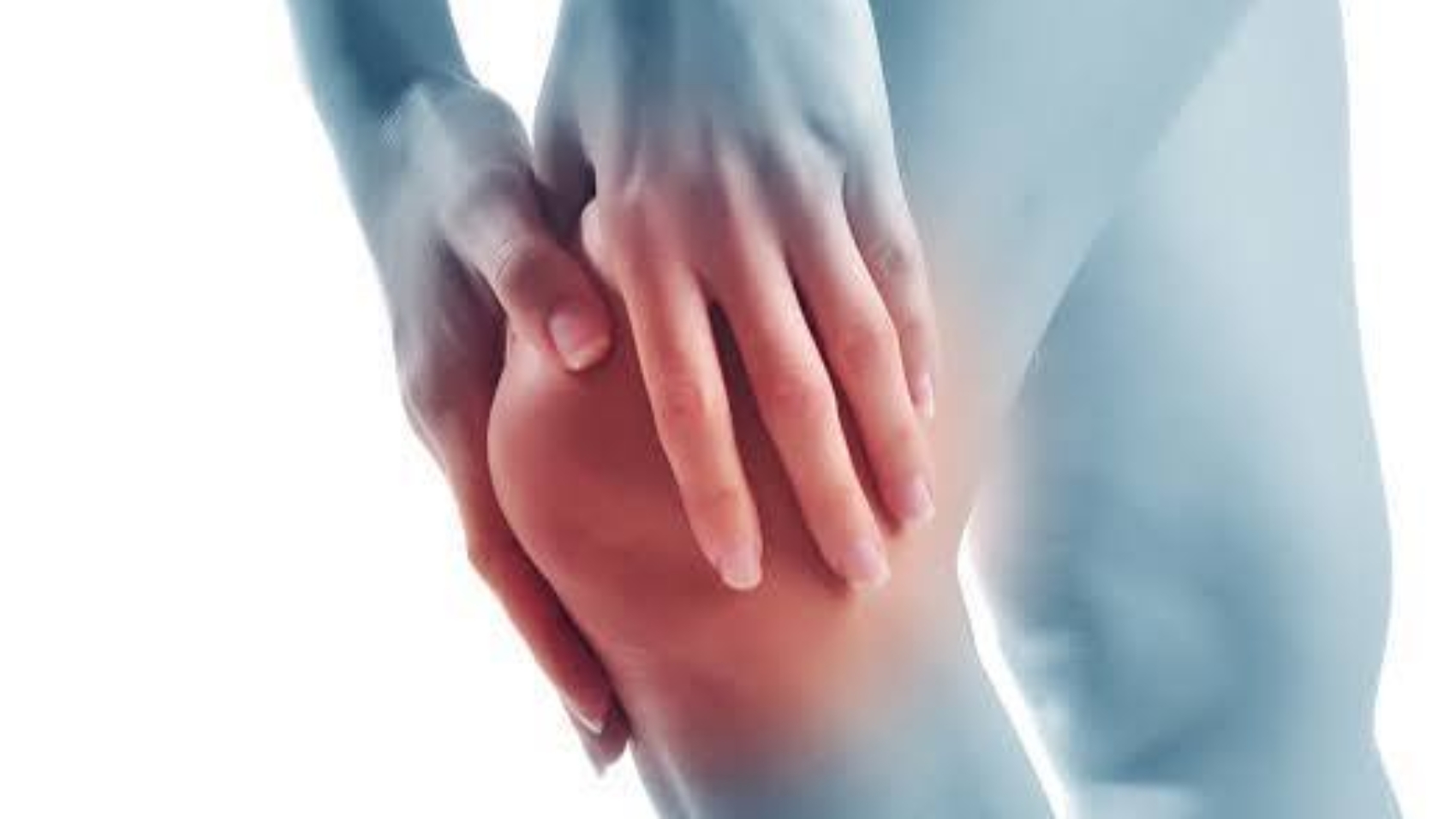
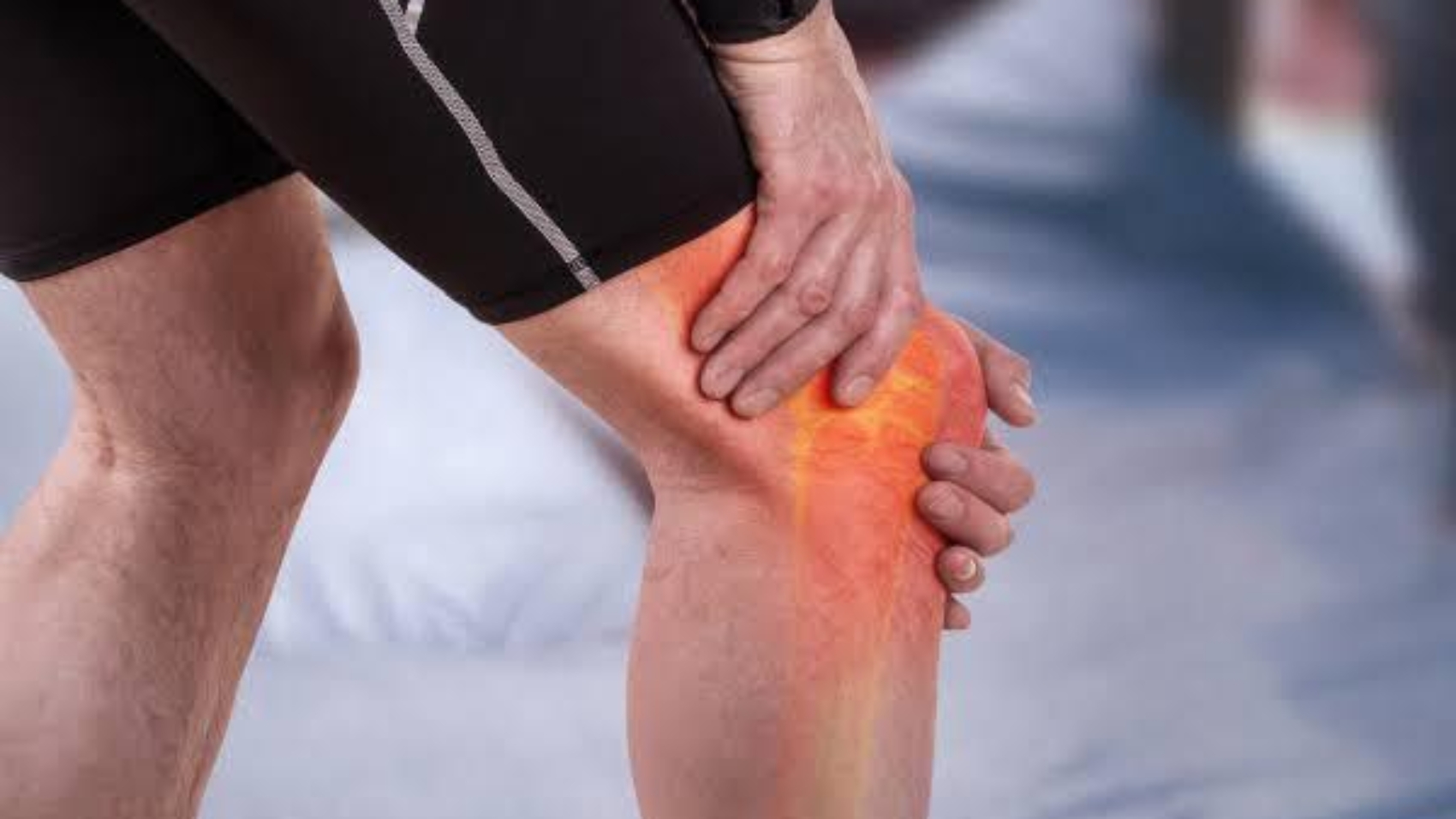
Knee Pain in Young Adults: Why It’s Becoming More Common

Knee pain is no longer just an issue for older adults. More young people are experiencing knee problems due to lifestyle changes.

Long sitting hours, lack of exercise, sudden intense workouts, and sports injuries are major contributors. Weak thigh muscles and poor flexibility also increase stress on the knee joint.

In many cases, the pain is not caused by severe damage but by imbalance in muscle strength and improper movement patterns.

Early treatment can prevent long-term damage. Strength training, physiotherapy, and activity modification are often enough to restore normal function.

Ignoring early knee pain can lead to chronic issues that become harder to treat later in life.

images (45)

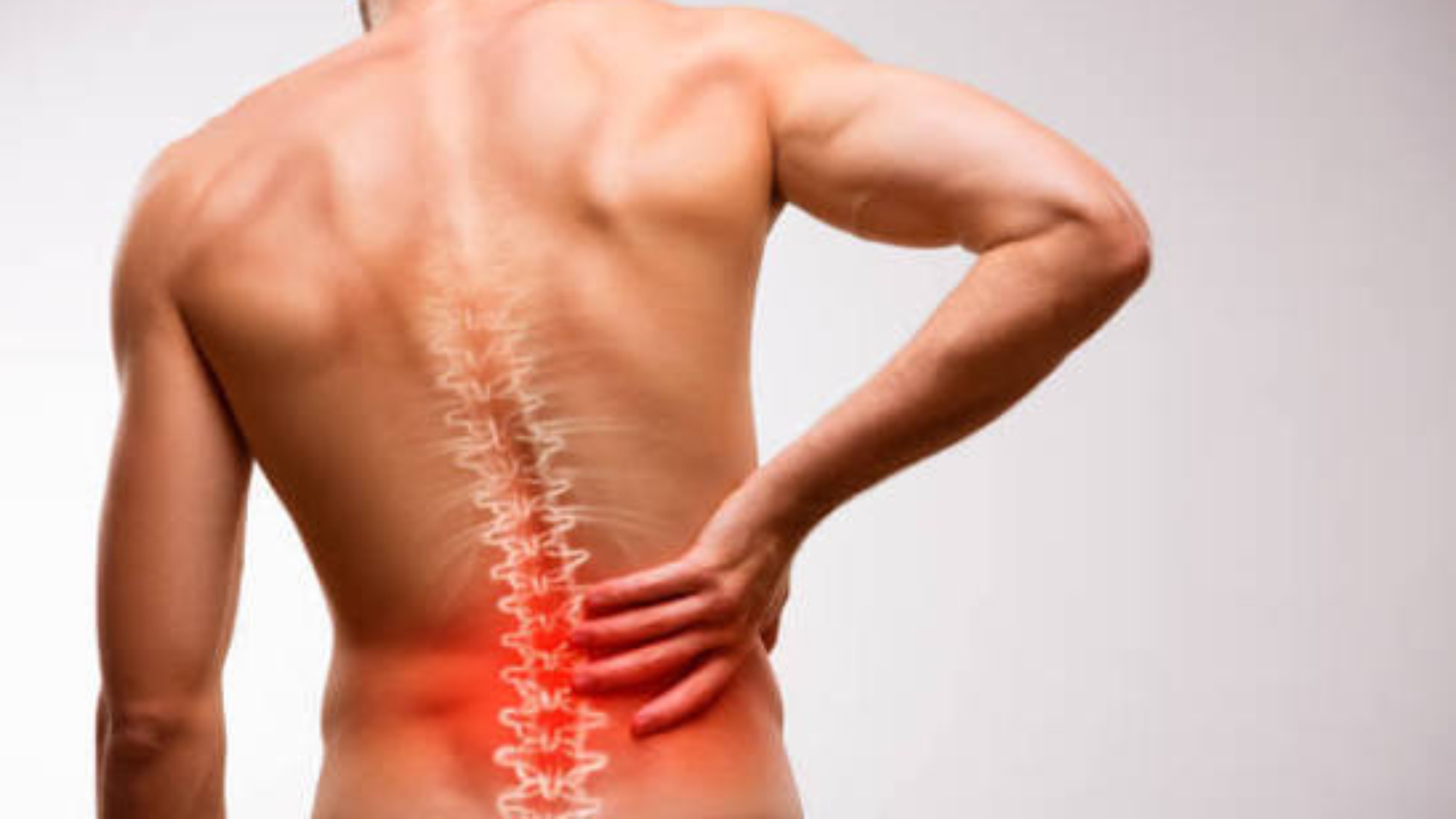
How Poor Posture Slowly Damages Your Spine

Poor posture does not cause immediate pain, which is why many people ignore it. However, over time it becomes one of the biggest causes of spinal problems.

Sitting with a curved back, forward head posture, or uneven weight distribution puts continuous stress on the spine. This leads to muscle fatigue, disc pressure, and joint strain.

Eventually, the body starts to adapt to this wrong posture, making correction more difficult and painful.

Common symptoms include back stiffness, shoulder tightness, and frequent headaches.

At CWOPS, posture-related spine issues are treated with a combination of physical therapy, strengthening exercises, and ergonomic correction strategies designed to retrain the body.

sciatic_pain_blog-1066x900

Why Sciatica Pain Becomes Worse Over Time

Sciatica is one of the most misunderstood types of pain. It starts when the sciatic nerve is irritated or compressed, usually in the lower back.

Many patients think sciatica will heal on its own, but without proper treatment, it often becomes worse over time. Sitting for long hours, lifting heavy objects incorrectly, and weak core muscles can all increase pressure on the nerve.

Symptoms include sharp pain down the leg, tingling, and sometimes numbness or weakness.

Treatment depends on the severity. Mild cases may improve with physiotherapy and exercise, while more severe cases may require injections or advanced pain management techniques.

Early treatment is important because prolonged nerve compression can lead to long-term discomfort and mobility issues.

I think I should pay the physiotherapist a visit

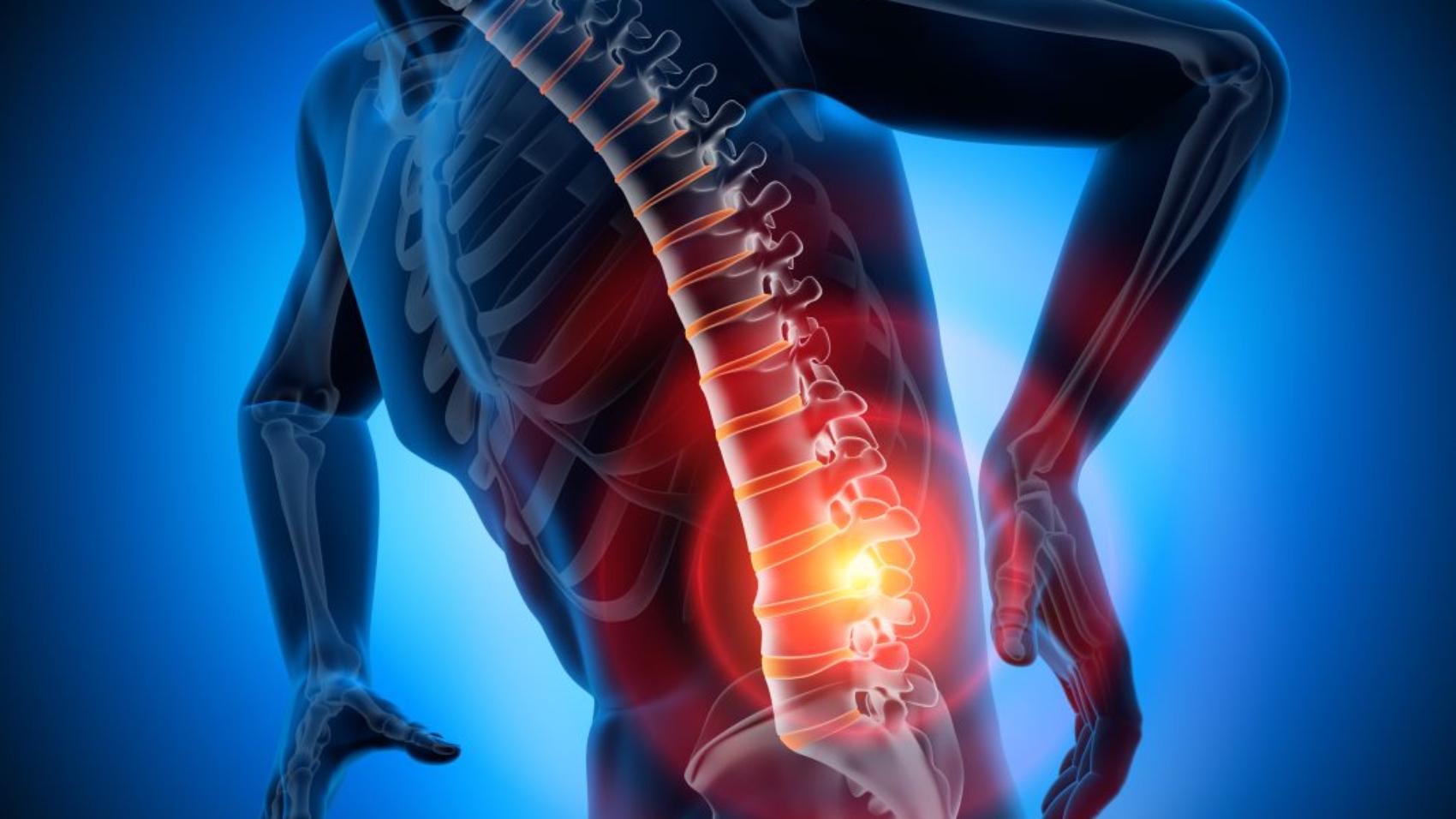
Spine Health Warning Signs You Should Never Ignore

Your spine often gives early warning signs before serious problems develop. Ignoring these signals can lead to worsening pain or long-term complications.

One major warning sign is persistent back or neck pain lasting more than a few weeks. Pain that does not improve with rest may indicate deeper spinal issues.

Numbness, tingling, or weakness in the arms or legs is another serious sign. This may suggest nerve compression in the spine, which requires medical evaluation.

Loss of balance or coordination can also be linked to spinal conditions, especially in the neck region.

Pain that travels down the leg or arm, often described as “shooting pain,” may indicate sciatica or nerve irritation.

At CWOPS, early diagnosis is a key part of preventing long-term damage. Many spinal conditions respond well to non-surgical treatments when detected early.