
Staying flexible is about much more than touching your toes. Good flexibility helps your joints move through their full range of motion, reduces stiffness, improves balance, and lowers the risk of injury.
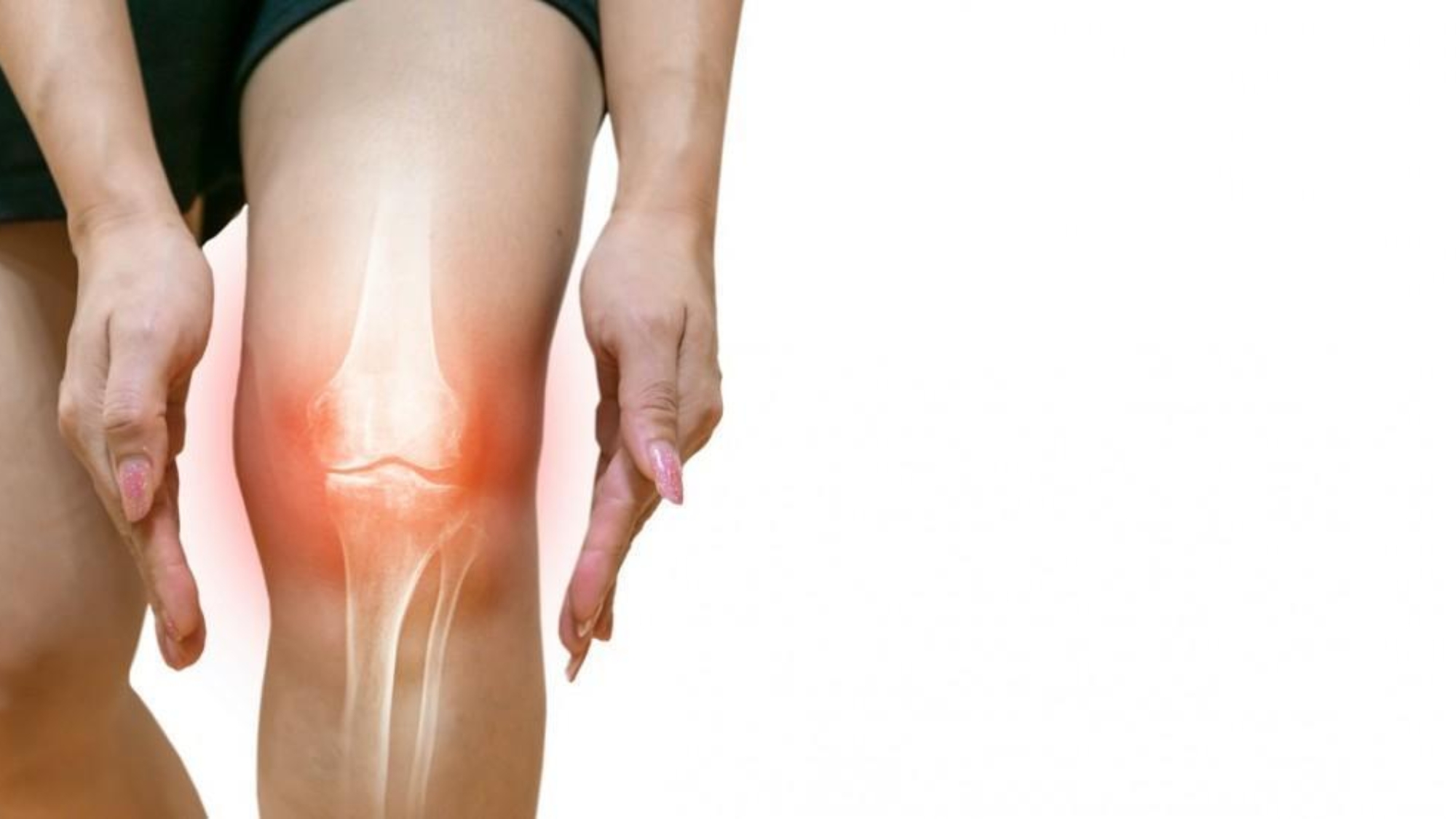
As we age, muscles naturally become tighter and connective tissues lose elasticity. This can make everyday activities such as bending, reaching, and climbing stairs more difficult. Reduced flexibility also places additional stress on the joints, increasing the risk of pain and inflammation.
Regular stretching can help maintain healthy muscles and joints. Gentle activities such as yoga, tai chi, and guided stretching routines improve mobility while supporting posture and balance. These exercises can also reduce muscle tension that contributes to neck, shoulder, and lower back pain.
Flexibility should always be improved gradually. Stretching should never be painful, and individuals with existing orthopedic conditions should follow recommendations from their healthcare provider.
At CWOPS, flexibility exercises are often included as part of a comprehensive rehabilitation program. Improving mobility not only reduces pain but also helps patients perform daily activities with greater confidence and comfort.

Add a Comment