
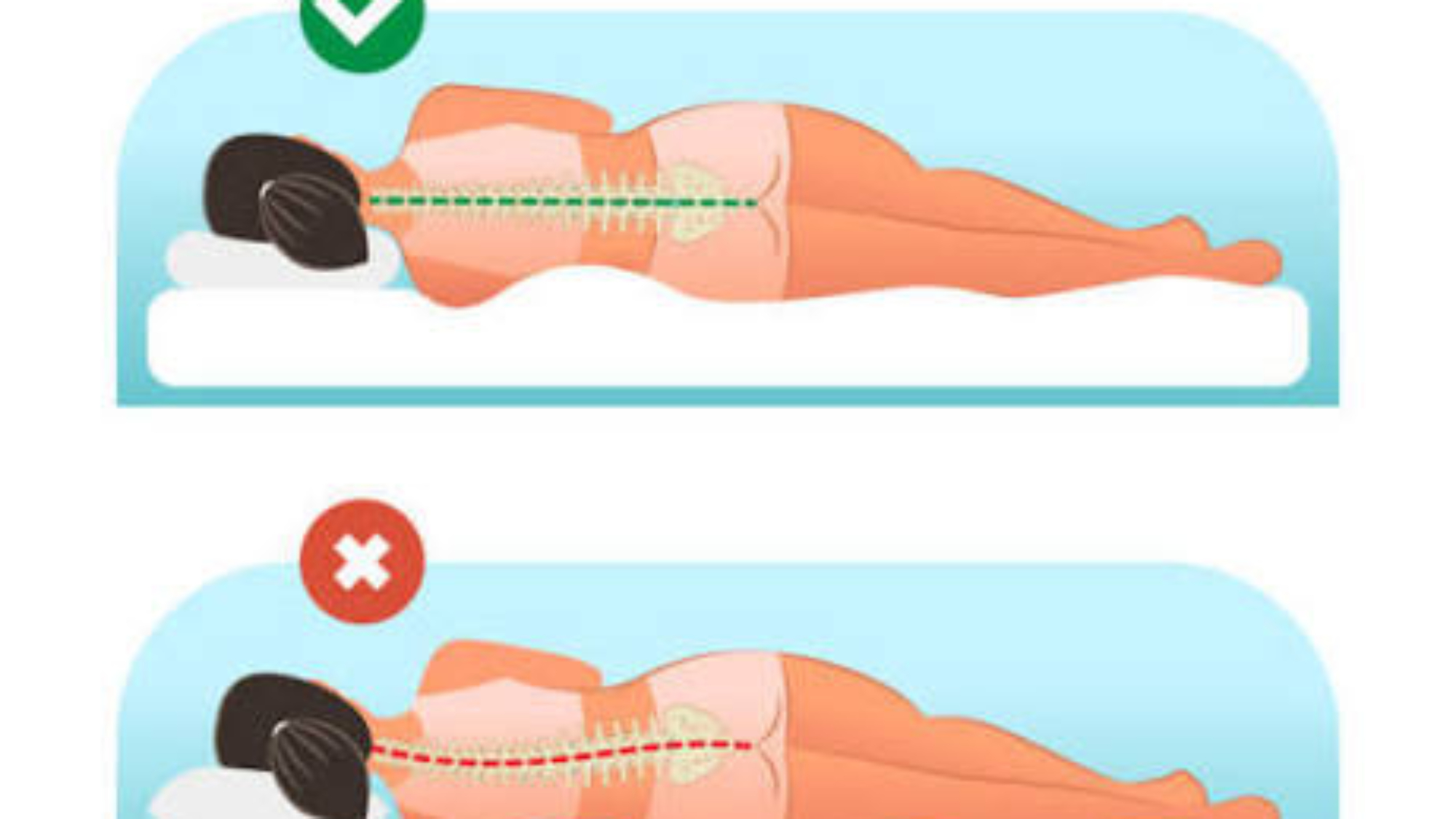
Sleep gives your body an opportunity to rest and recover, but the way you sleep can sometimes contribute to morning stiffness and discomfort. If you regularly wake up with a sore neck, stiff back, or aching shoulders, your sleeping position may be one factor worth considering.
Your spine has a natural alignment that should be supported while you sleep. When your head, neck, and spine remain in an awkward position for several hours, muscles and joints may experience unnecessary strain.
People who sleep on their stomach may place additional stress on the neck because the head has to remain turned to one side. Side sleepers may experience pressure around the shoulders and hips if they do not have adequate support. Back sleepers may also experience discomfort if their pillow or mattress does not provide appropriate support.
There is no single sleeping position that works perfectly for everyone. Your comfort, body structure, existing conditions, and personal preferences all matter.
Your pillow can also make a difference. A pillow that is too high or too low may place your neck in an uncomfortable position. Ideally, your head and neck should remain reasonably aligned with the rest of your spine.
For some people, placing a pillow between the knees while sleeping on the side can provide additional support. Others may find that a pillow under the knees while sleeping on the back reduces pressure on the lower back.
However, changing your sleeping position may not solve persistent pain if an underlying orthopedic or spinal condition is present.
If you regularly wake up with significant pain, experience numbness or tingling, or continue to have symptoms throughout the day, it may be worth discussing the problem with a healthcare professional.
At CWOPS, providers evaluate symptoms in the context of the patient’s overall condition rather than assuming that sleep position is the only cause. Depending on the diagnosis, treatment may include physical therapy, pain management, lifestyle adjustments, or other appropriate care.
A better night’s sleep should leave you feeling refreshed, not more uncomfortable. Paying attention to your sleeping environment and addressing persistent symptoms can help support healthier movement during the day.

Add a Comment