
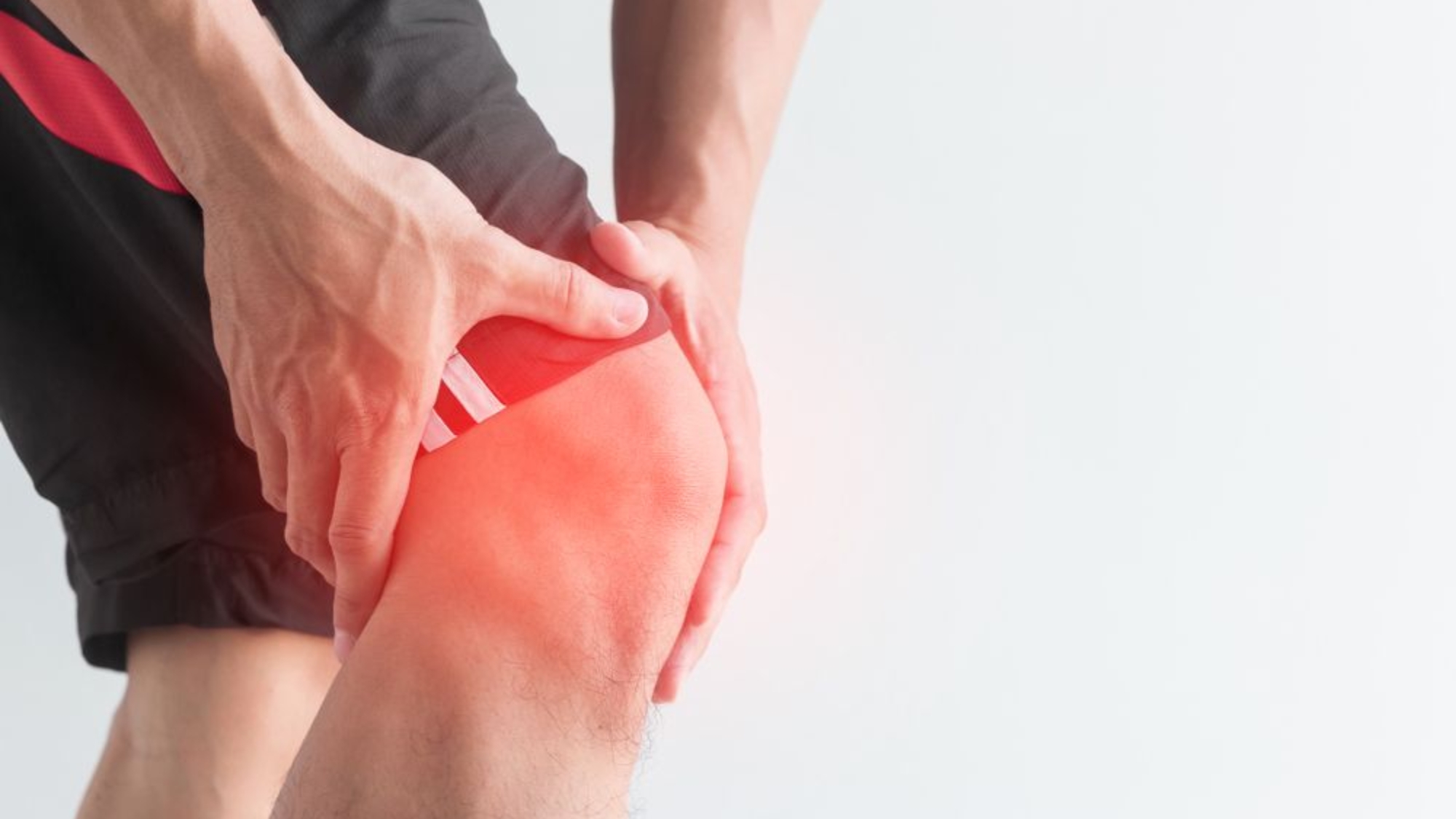
You squat down to grab a tool off the garage floor in Summerlin, and your knee screams. Then you stand up, walk to the truck, and feel almost nothing. If that sounds familiar, you’re dealing with knee pain when bending but not walking, one of the more confusing patterns we see at the Center for Wellness & Pain Care.
This kind of pain often points to specific structures inside the joint. The fact that walking feels fine, but bending hurts, is actually useful diagnostic information.
At CWPC, Dr. Neville Campbell, M.D./M.B.A., leads a team focused on non-surgical, evidence-based relief. We treat patients across Las Vegas and Henderson with personalized treatment plans built around your specific pain pattern — not a generic protocol.
You don’t have to live with knee pain when bending but not walking. There are real options, and most of them avoid the operating room entirely.
What Is Knee Pain When Bending But Not Walking? A Plain-English Guide for Nevada Patients
Pain that flares when you bend but quiets down when you walk usually points to a specific group of structures: the patellofemoral joint (where the kneecap glides), the meniscus (the cartilage cushion between the femur and tibia), or the patellar tendon. Walking puts the knee through a small, repetitive motion. Bending, squatting, kneeling, climbing stairs, loads those same structures at a much sharper angle and under far more force.
Think of it like a door hinge. Open it a few inches a hundred times and it’s fine. Bend it past 90 degrees with weight pulling on it, and any weak spots show up fast.
Locally, we see this pattern in three groups:
- Construction and trades workers off the 215 Beltway and US-95 who squat, kneel, and climb ladders daily.
- Drivers rear-ended on I-15 whose knees hit the dashboard during impact, even when the rest of the body seemed fine afterward.
- Active retirees in Sun City Anthem and Green Valley dealing with cartilage wear from decades of hiking Red Rock and walking the Strip.
The underlying cause varies. The diagnostic clue, pain on bending, not walking, narrows it down quickly.
6 Signs You Need Treatment for Knee Pain When Bending But Not Walking
Some knee pain resolves with rest and ice. Other patterns signal that you need a professional evaluation. Watch for these:
- A sharp pinch when squatting — like loading a wheelbarrow on a Spring Valley jobsite, or picking up grandkids in Centennial Hills. If the pain is consistent at the same depth of bend, something structural is at work.
- Stiffness after sitting in traffic — long stretches on the 215 near Henderson or stop-and-go on Eastern Avenue leave the joint locked up. Standing back up shouldn’t feel that hard.
- A clicking or grinding sensation — especially climbing stairs at home in Anthem or stadium steps at Allegiant. Crepitus can point to cartilage damage.
- Swelling that returns after activity — knees that puff up after kneeling for tile work or yard projects near Sunset Road, even when walking earlier in the day felt fine.
- Pain that wakes you at night after a day of bending — a common pattern after auto accidents on Charleston Blvd, where the injury isn’t obvious until hours later.
- Difficulty getting in or out of a vehicle — especially trucks and SUVs common across Clark County. If lowering yourself feels worse than walking around, the bending motion is the trigger.
Persistent symptoms past two weeks deserve evaluation. Pain that’s getting worse, not better, deserves it sooner.
How CWPC Treats Knee Pain When Bending But Not Walking (Non-Surgical Focus)
Treatment depends on what’s driving the pain. After an exam and imaging review, Dr. Campbell and the CWPC team build a stepped plan, starting with the least invasive option that fits your case. Six tools we reach for most often:
- Epidural Steroid Injections — When inflammation from a related lumbar issue refers to pain into the knee, a targeted injection can calm the nerve signal and reduce swelling around the joint.
- Radiofrequency Ablation (RFA) — For chronic knee pain driven by the genicular nerves, RFA uses controlled heat to interrupt pain signals at the source. Many patients get months of relief from a single procedure.
- Stem Cell Therapy / Regenerative Medicine — For meniscus wear and cartilage thinning, regenerative options support the body’s own repair process rather than masking symptoms.
- Spinal Cord Stimulation (SCS) — Reserved for chronic, treatment-resistant pain that hasn’t responded to other approaches. SCS modulates how pain signals reach the brain.
- Medication Management — A safe, monitored approach to anti-inflammatories, neuropathic agents, and short-term pain control, designed around your other health conditions and your work demands.
- Physical Therapy Referral — Strength imbalances around the quadriceps and hip often cause or worsen the bending-specific pain pattern. We coordinate with trusted Clark County PT clinics to rebuild that support.
Most patients see meaningful progress without surgery. For workers’ compensation and auto accident cases, we document each step thoroughly so your benefits and claims stay on track. The goal is real function back,kneeling, squatting, climbing, not just a quieter knee.
Why Las Vegas & Henderson Patients Trust CWPC for Knee Pain When Bending But Not Walking
Dr. Neville Campbell brings both an M.D. and an M.B.A. to the practice. The clinical training drives accurate diagnosis and procedure skill. The business background drives something patients feel right away: shorter wait times, efficient scheduling, and clean coordination with insurance carriers.
We work with most major plans in Nevada, including Aetna, Cigna, UnitedHealthcare, Anthem BCBS, HPN, Prominence, Medicare, and Nevada Medicaid. For workplace injuries, we accept Nevada workers’ compensation directly. For auto accidents, we treat patients on a Letter of Protection (LOA) — meaning you get care now and settle the lien when your case resolves.
Nevada is a self-referral state. You do not need your primary care doctor to send you. If knee pain when bending is interfering with your job, your sleep, or your weekend plans, you can call us directly and book.
Meet Dr. Neville Campbell: The Physician Behind CWPC
Dr. Neville Campbell, M.D./M.B.A., founded CWPC with a clear mission: relieve chronic pain and restore health, comfort, and quality of life. His dual training shapes how the clinic runs day to day, rigorous on the medicine, efficient on the operations.
As a leader in interventional pain management across the Las Vegas valley, Dr. Campbell has built a team that mirrors his values. The physicians, nurse practitioners, and support staff at CWPC operate as a collaborative unit. That matters when your treatment plan involves multiple procedures, imaging coordination, and ongoing follow-up.
Patients describe the experience as compassionate and clinical at once. You get clear explanations of what’s happening in your knee. You get a treatment plan that respects your time, your insurance situation, and your goals, whether that’s returning to a Strip construction crew, a delivery route, or a Red Rock trail.
Frequently Asked Questions About Knee Pain When Bending But Not Walking
- Can knee pain when bending but not walking be managed without surgery?
Yes, in most cases. Non-surgical options like injections, radiofrequency ablation, regenerative medicine, and targeted physical therapy address the actual cause, whether that’s cartilage wear, tendon strain, or referred nerve pain. Surgery is reserved for cases that don’t respond to interventional care.
- Does CWPC accept my insurance for knee pain treatment?
CWPC accepts most major plans, including Aetna, Cigna, UnitedHealthcare, Anthem BCBS, HPN, Prominence, Medicare, and Nevada Medicaid. We also handle workers’ compensation and auto accident liens (LOA). Call (702) 476-9700 to verify your specific plan.
- How quickly can I get an appointment for knee pain in Las Vegas or Henderson?
Same-day or next-day appointments are often available for auto accident and workers’ compensation cases. Standard new patient visits are typically scheduled within the same week. Call early in the day for the best options.
- Do I need a referral from my primary care doctor?
No. Nevada is a self-referral state, so you can book directly with CWPC without going through your PCP first. This saves time, especially when knee pain is already affecting your work or sleep.
- What results can I expect from knee pain treatment at CWPC?
Results vary by diagnosis, but most patients report meaningful reduction in pain and improved function within several weeks. Some procedures provide months of relief from a single session.
- How long does each treatment session take?
Office visits typically run 30 to 45 minutes. Most interventional procedures, including injections and RFA, take 20 to 40 minutes, with additional time for prep and recovery. You’re usually back home within two hours.
- Do you treat auto accidents–related knee pain with liens/LOA?
Yes. We regularly treat patients injured in I-15, US-95, and 215 Beltway collisions on a Letter of Protection. You get care now and resolve the lien when your case settles. No out-of-pocket cost during treatment.
- Do you accept Nevada workers’ compensation for knee pain when bending?
Yes. CWPC accepts Nevada workers’ compensation directly. We handle documentation for adjusters and case managers, and coordinate with employers when appropriate. If your knee injury happened on the job, bring your claim number to your first visit.

Add a Comment