
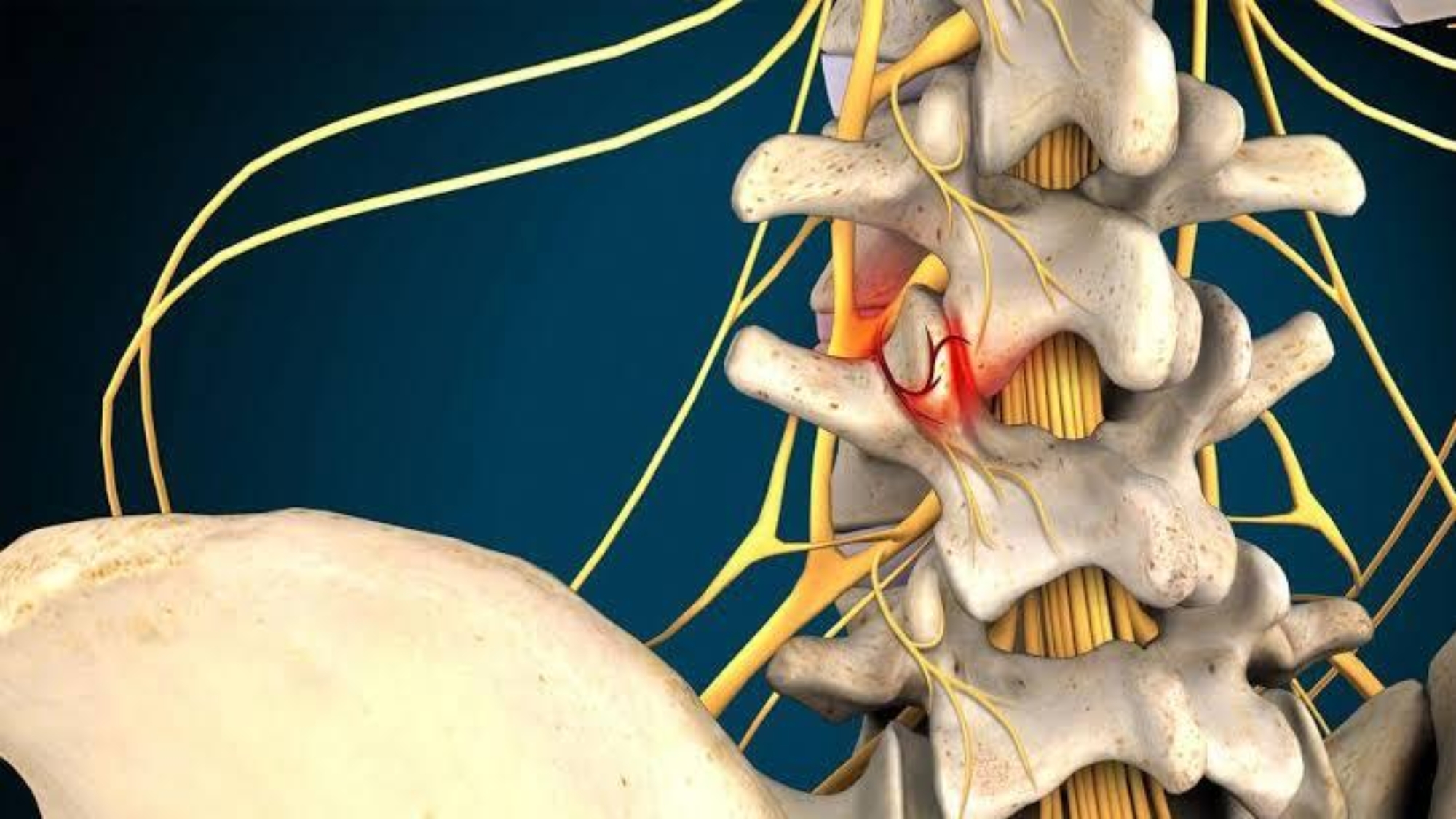
When people experience back pain, they often think about muscles, discs, or nerves. But another important source of discomfort can be the small joints located along the back of the spine called facet joints.
Facet joints help connect the vertebrae and provide stability while allowing the spine to bend and rotate. When these joints become irritated or affected by degenerative changes, they may contribute to localized back or neck pain.
Understanding facet joint pain can help you recognize when persistent symptoms may deserve professional evaluation.
What Are Facet Joints?
Facet joints are small joints positioned between the vertebrae of the spine. They work with the discs and other structures to help support controlled spinal movement.
Like other joints in the body, facet joints can experience wear and changes over time.
Factors that may contribute to facet joint problems include:
Age-related changes
Repetitive spinal stress
Previous injuries
Degenerative changes
Poor movement mechanics
Repeated bending or twisting
What Does Facet Joint Pain Feel Like?
Facet-related pain can vary depending on the location and severity of the problem.
Some people may experience:
Localized lower back pain
Neck pain
Stiffness
Pain when twisting or bending backward
Discomfort after prolonged standing
Pain that becomes more noticeable during certain movements
Facet joint pain does not always follow the same pattern as nerve-related pain. This is one reason why identifying the actual source of persistent back or neck discomfort can sometimes require a detailed evaluation.
Why Can It Be Difficult to Identify?
Back pain can come from several structures at the same time. Muscles, discs, joints, nerves, and other tissues can all contribute to symptoms.
Because of this, simply knowing where the pain is located may not be enough to determine the underlying cause.
A healthcare professional may consider your symptoms, medical history, movement patterns, and physical examination when evaluating possible facet joint involvement. In some cases, diagnostic procedures may also be considered.
What Treatment Options Are Available?
Treatment depends on the individual’s symptoms and diagnosis.
Conservative approaches may include:
Physical therapy
Stretching and mobility exercises
Activity modification
Medication when appropriate
Targeted pain management
Image-guided procedures in selected cases
The appropriate approach depends on what is contributing to the pain and how the condition is affecting your daily life.
When Should You Get Your Back Pain Evaluated?
Occasional back discomfort may improve with rest and appropriate self-care. However, pain that continues, repeatedly returns, interferes with daily activities, or progressively worsens may warrant professional evaluation.
A proper assessment can help distinguish between different potential sources of pain and guide the next step in care.
Take Persistent Back Pain Seriously
You do not have to assume that ongoing back pain is simply part of getting older. There can be different causes, and identifying the source is an important part of developing an appropriate treatment plan.
At CWOPS, Center for Wellness Orthopedic, Pain & Spine, we provide evaluation and treatment options for patients dealing with various orthopedic and spine-related conditions.
If back or neck pain is affecting your everyday life, contact CWOPS at (702) 476-9700 to learn more about your care options.

Add a Comment