
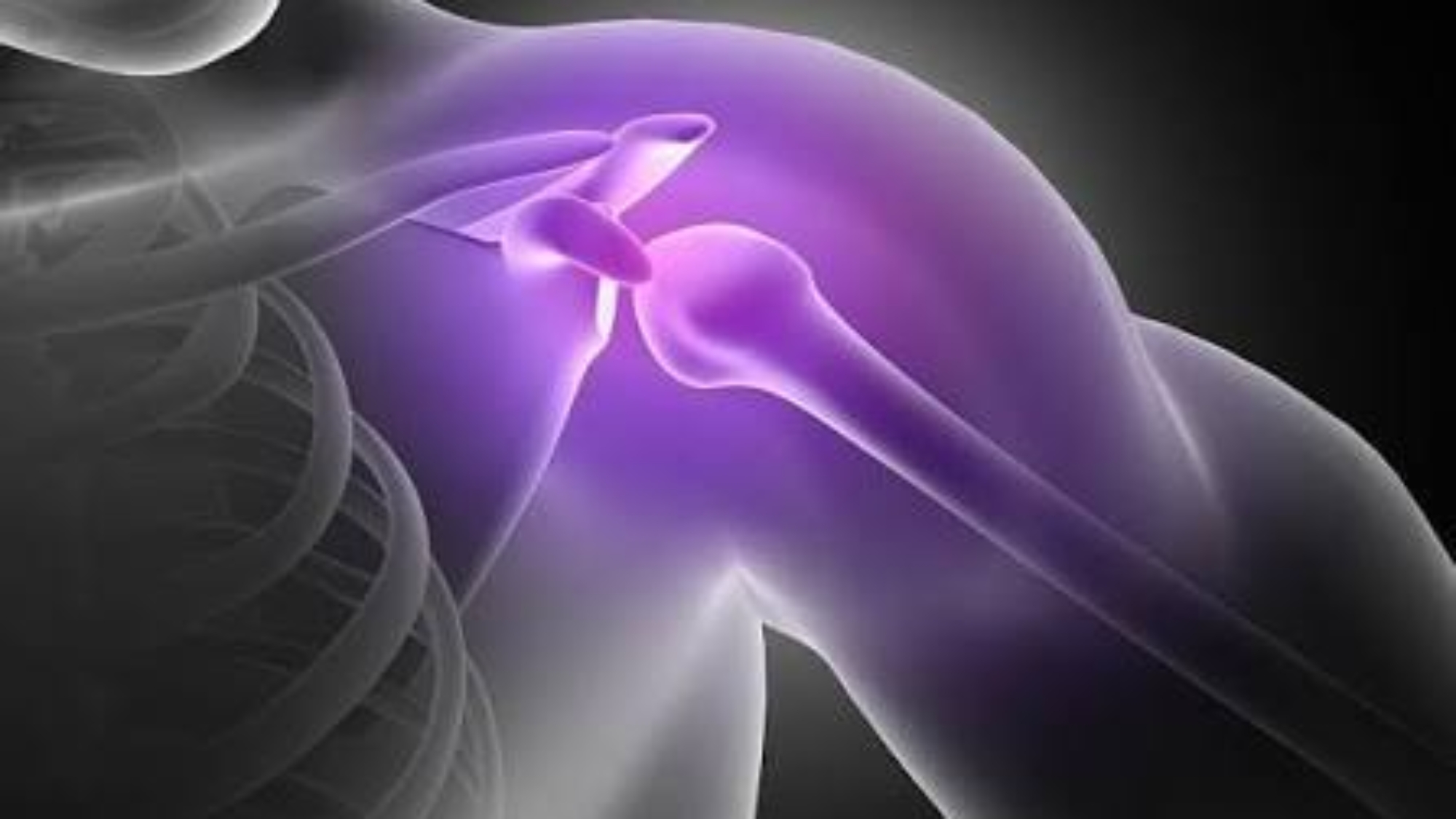
Your shoulder allows an impressive range of movement. You can reach overhead, rotate your arm, lift objects, and perform countless everyday activities because multiple muscles and tendons work together to stabilize the joint.
One important group of these structures is the rotator cuff.
Rotator cuff problems can develop gradually or occur following an injury. They may cause shoulder pain, weakness, and difficulty performing movements that once felt easy.
What Is the Rotator Cuff?
The rotator cuff is a group of four muscles and their tendons that help stabilize the shoulder and control arm movement.
These structures play an important role when you:
- Raise your arm
- Reach overhead
- Rotate your shoulder
- Lift objects
- Perform sports activities
Because the shoulder is used so frequently, the rotator cuff can be exposed to repetitive stress.
What Causes Rotator Cuff Problems?
Rotator cuff injuries can happen for different reasons.
Potential causes include:
- Repetitive overhead activity
- Sports participation
- Occupational activities
- Sudden lifting injuries
- Falls
- Age-related tendon changes
- Repeated shoulder stress
Some problems develop gradually, while others may occur after a specific event.
What Are the Common Symptoms?
Rotator cuff problems may cause:
- Shoulder pain
- Pain when lifting the arm
- Weakness
- Difficulty reaching overhead
- Discomfort when reaching behind your back
- Pain that becomes noticeable at night
- Reduced shoulder function
The symptoms can vary depending on whether the issue involves irritation, inflammation, a partial tear, or another condition.
Why Can Shoulder Pain Be Worse at Night?
Some people notice that shoulder pain becomes more noticeable when lying down or sleeping on the affected side.
Certain sleeping positions may place pressure on the shoulder or keep it in a position that aggravates symptoms.
If shoulder pain repeatedly disrupts your sleep, it may be worth discussing with a healthcare professional.
How Are Rotator Cuff Injuries Diagnosed?
A healthcare professional may review your symptoms, medical history, and activity level and perform a physical examination.
Depending on the suspected problem, imaging may sometimes be recommended.
An accurate diagnosis is important because several shoulder conditions can produce similar symptoms.
How Are Rotator Cuff Problems Treated?
Treatment depends on the type and severity of the injury.
Depending on the situation, options may include:
- Activity modification
- Physical therapy
- Strengthening and mobility exercises
- Medication when appropriate
- Targeted injections
- Other pain management approaches
- Surgical evaluation for certain significant injuries
Not every rotator cuff problem requires surgery. The appropriate approach depends on the specific condition and individual circumstances.
When Should You See a Specialist?
Consider an evaluation if shoulder pain:
- Continues for several weeks
- Interferes with sleep
- Makes everyday activities difficult
- Causes noticeable weakness
- Limits your range of motion
- Develops after a significant injury
Getting the cause identified can help you choose the appropriate next step.
Get Back to Comfortable Shoulder Movement
Shoulder pain can affect everything from exercising and working to dressing and sleeping. Getting the right evaluation can help you understand what may be causing the problem.
At CWOPS, Center for Wellness Orthopedic, Pain & Spine, our team provides evaluation and treatment options for a variety of orthopedic and pain conditions.
If shoulder pain or weakness is limiting your movement, contact CWOPS at (702) 476-9700 to discuss your symptoms and available care options.

Add a Comment