
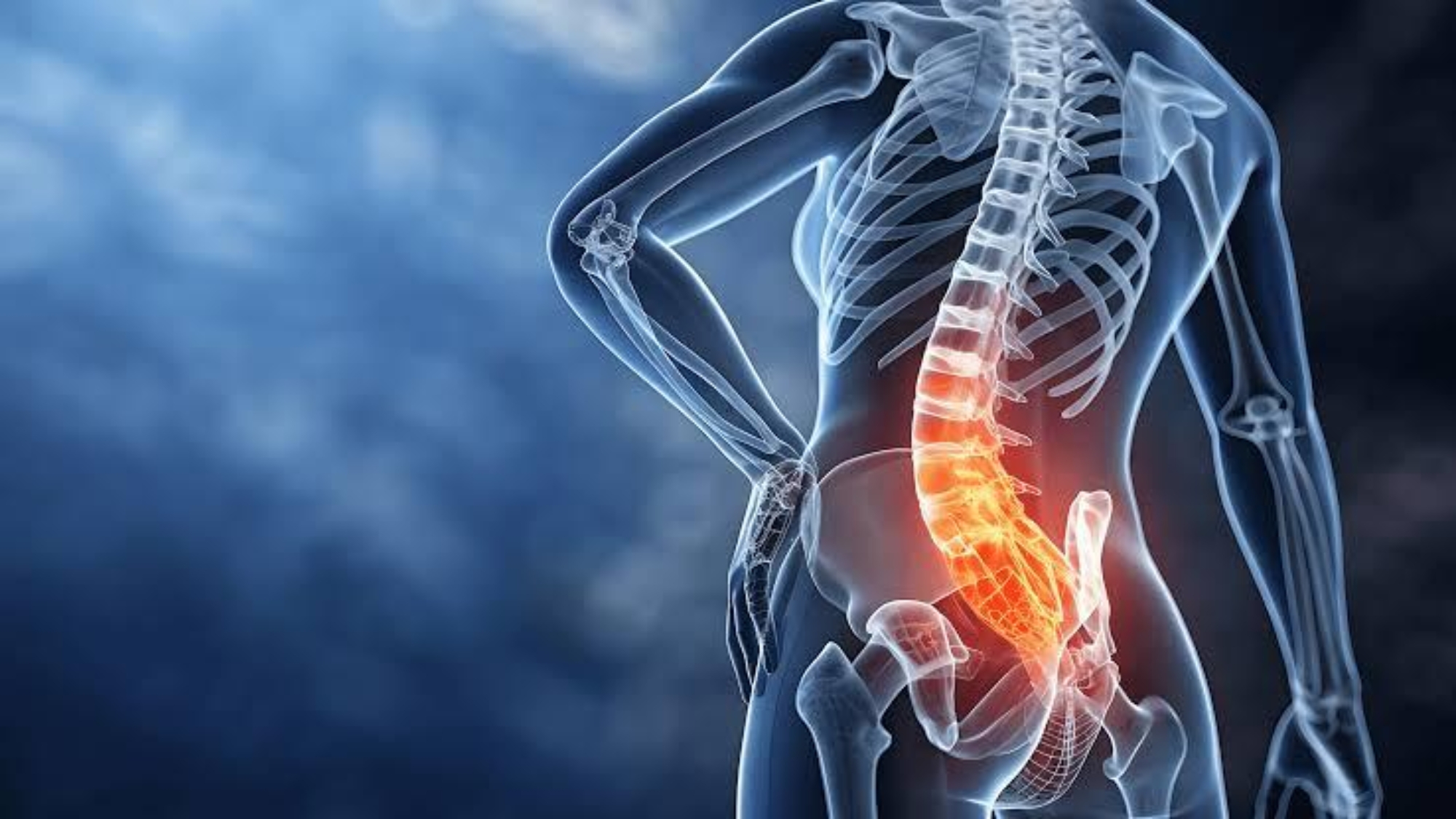
When you experience lower back or pelvic pain, you may immediately think about your spine. However, another structure can sometimes contribute to discomfort in this area: the sacroiliac joint.
The sacroiliac, or SI, joints connect the lower part of the spine to the pelvis. Although these joints have relatively limited movement, they play an important role in transferring forces between the upper body and legs.
When an SI joint becomes irritated or painful, everyday activities such as walking, standing, climbing stairs, or changing positions may become uncomfortable.
What Are the Sacroiliac Joints?
There are two sacroiliac joints, one on each side of the pelvis.
They connect the sacrum, located at the bottom of the spine, with the pelvic bones. Their primary role is to provide stability and help transfer loads between the spine and lower body.
Because the SI joints are involved in supporting the body during movement, stress or irritation in this area can contribute to pain.
What Can Cause SI Joint Pain?
There is not always one single cause of sacroiliac joint pain.
Potential contributing factors may include:
- Previous injuries
- Repetitive physical stress
- Changes in walking mechanics
- Prolonged standing
- Certain types of exercise
- Pregnancy-related changes
- Arthritis or degenerative changes
- Differences in movement or load distribution
In some cases, the exact source of pain can be difficult to identify because symptoms may overlap with other lower back or hip conditions.
What Does SI Joint Pain Feel Like?
SI joint pain is often felt in the lower back, buttock, or pelvic region.
Some people may notice discomfort when:
- Walking for extended periods
- Standing for a long time
- Climbing stairs
- Getting out of a chair
- Turning in bed
- Moving from sitting to standing
Pain may sometimes be felt on one side more than the other.
Because several conditions can cause similar symptoms, location alone cannot confirm that the SI joint is responsible.
How Is SI Joint Pain Diagnosed?
Diagnosis usually involves a combination of medical history, physical examination, and assessment of movement.
A healthcare provider may perform specific physical tests designed to determine whether the SI joint may be contributing to symptoms.
Other conditions involving the spine, hips, muscles, or nerves may also need to be considered.
In selected situations, diagnostic injections may be used to help determine whether the SI joint is a significant source of pain.
Treatment Options for SI Joint Pain
Treatment depends on the cause and severity of symptoms.
Possible treatment approaches may include:
- Physical therapy
- Stretching and strengthening exercises
- Activity modification
- Medication when appropriate
- Targeted injections
- Other pain management treatments
Improving strength and movement patterns may also help reduce stress on the affected area in appropriate cases.
When Should You Seek Evaluation?
If lower back or pelvic pain continues, repeatedly returns, or begins interfering with your normal activities, consider seeking a professional evaluation.
Persistent pain can have several possible causes, so identifying the source is an important step toward choosing appropriate treatment.
Don’t Ignore Persistent Lower Back or Pelvic Pain
Not all lower back pain comes from the same structure. Understanding the potential source of your symptoms can help you have a more informed conversation about treatment.
At CWOPS, Center for Wellness Orthopedic, Pain & Spine, our team evaluates a variety of spine, orthopedic, and pain conditions, including conditions that may contribute to lower back and pelvic discomfort.
If pain is making walking, working, exercising, or completing everyday activities more difficult, contact CWOPS at (702) 476-9700 to learn more about your options.

Add a Comment