
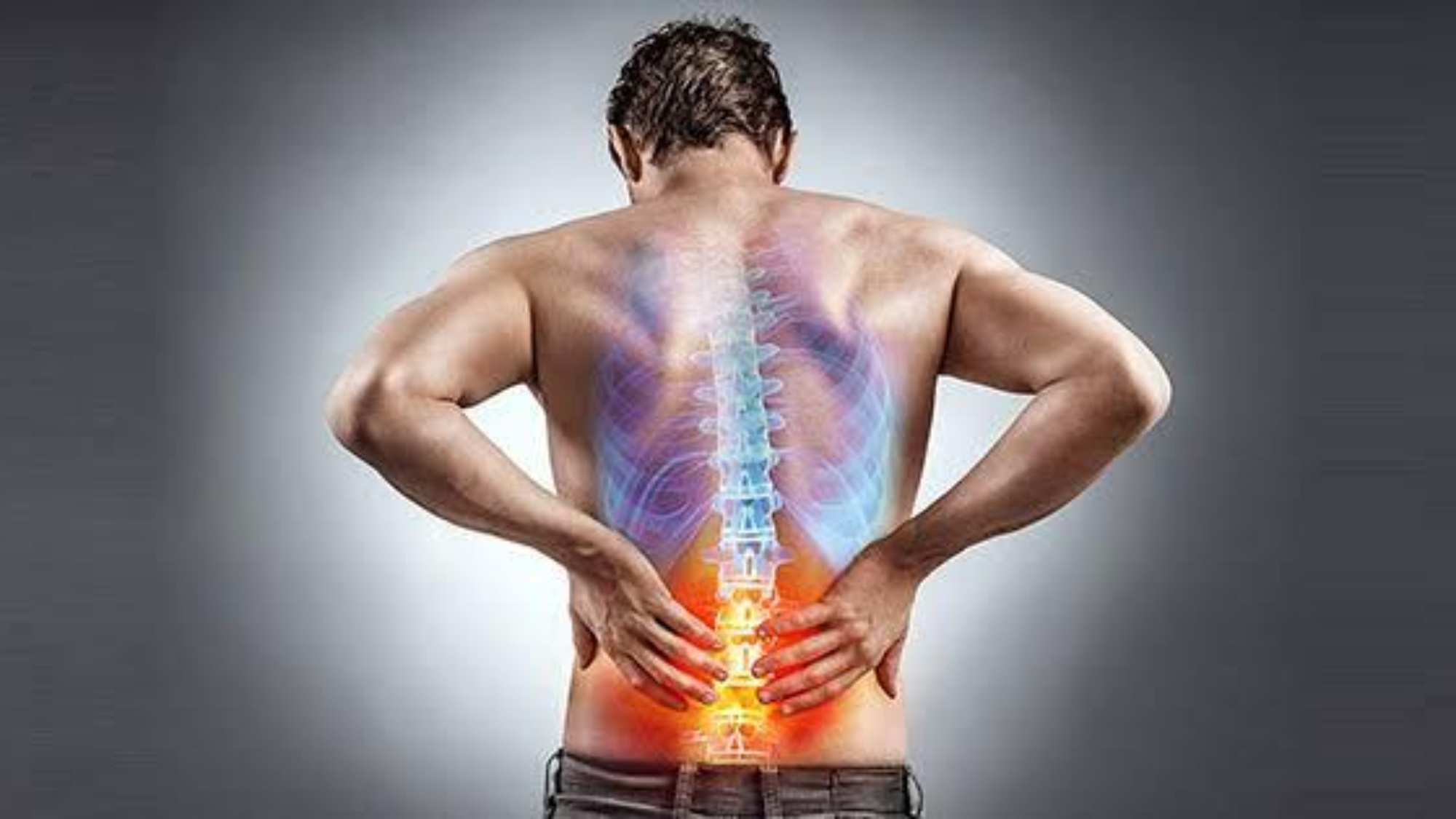
Muscle tightness is something almost everyone experiences from time to time. You may notice it after exercising, sitting for several hours, working physically, or waking up after an uncomfortable night of sleep. Often, mild tightness improves with movement and rest.
However, frequent or persistent muscle tightness can sometimes be connected to an underlying problem.
One common cause is overuse. Repeating the same movement for extended periods can cause muscles to become fatigued and uncomfortable. This is particularly common among people who perform physically demanding work or participate in repetitive sports activities.
Inactivity can also contribute. Remaining in one position for long periods may cause certain muscles to become stiff, particularly around the neck, shoulders, hips, and lower back.
Previous injuries can create another problem. When one area becomes weaker or painful, other muscles may compensate by working harder. This can create tension in areas that were not originally injured.
Hydration, sleep, physical activity, and recovery habits can also influence how your muscles feel. A balanced routine that includes regular movement and adequate recovery can support normal muscle function.
Gentle stretching may help with ordinary tightness, but stretching should not cause sharp or severe pain. If tightness keeps returning despite changes in activity and recovery, it may be worth looking deeper into the cause.
Muscle tightness accompanied by significant weakness, numbness, swelling, or persistent pain should receive professional attention.
At CWOPS, providers can evaluate the pattern and location of your symptoms and determine whether the discomfort may be related to muscles, joints, nerves, or the spine. Treatment depends on the underlying condition and may include physical therapy, targeted pain management, or other appropriate options.
Occasional muscle tightness is usually not a reason to panic. But when your body repeatedly feels tight, restricted, or painful, it may be sending you a message that should not be ignored.
Understanding the cause can help you make better decisions about activity, recovery, and treatment while supporting healthier movement in the long term.

Add a Comment