images - 2026-09-19T030827.508

Why Your Knee May Hurt When Going Up or Down Stairs

Walking on flat ground may feel completely normal, but climbing or descending stairs can suddenly bring out knee pain. This is a common experience, and it can happen for several different reasons. Understanding why stairs trigger discomfort can help you recognize when your knees may need professional attention.

Your knees absorb significant forces whenever you bend, straighten, or support your body weight. Stairs require greater bending and muscle control than walking on level ground, which can make certain knee problems more noticeable.

One possible cause is irritation around the kneecap. The joint between the kneecap and thighbone plays an important role in everyday movement, and discomfort in this area may become more noticeable when repeatedly bending the knee.

Muscle weakness can also contribute to stair-related knee pain. The muscles around your hips and thighs help stabilize the knee during movement. When these muscles are weak or imbalanced, the knee may experience additional stress.

Previous injuries, arthritis, tendon problems, and changes in joint structure can also contribute to pain when using stairs. The specific cause cannot always be determined from symptoms alone.

Pay attention to other signs that occur with your knee pain. Swelling, stiffness, clicking, instability, or difficulty fully bending or straightening the knee may provide additional information about the underlying problem.

Small changes may sometimes help reduce discomfort. Strengthening the muscles around the hips and thighs, maintaining a healthy weight, choosing appropriate footwear, and avoiding sudden increases in activity can all support knee health.

However, persistent pain should not simply be ignored. Continuing to push through significant discomfort may make certain conditions more difficult to manage.

At CWOPS, a comprehensive evaluation can help determine what may be contributing to your knee pain. Depending on the diagnosis, treatment may include physical therapy, activity modification, medication management, targeted injections, or other appropriate approaches.

If your knees consistently hurt on stairs, especially if the pain is getting worse or affecting everyday activities, consider having them evaluated. Understanding the cause can help you take appropriate steps toward better mobility and comfort.

images - 2026-09-19T031504.311

What Causes Muscle Tightness and When Should You Be Concerned?

Muscle tightness is something almost everyone experiences from time to time. You may notice it after exercising, sitting for several hours, working physically, or waking up after an uncomfortable night of sleep. Often, mild tightness improves with movement and rest.

However, frequent or persistent muscle tightness can sometimes be connected to an underlying problem.

One common cause is overuse. Repeating the same movement for extended periods can cause muscles to become fatigued and uncomfortable. This is particularly common among people who perform physically demanding work or participate in repetitive sports activities.

Inactivity can also contribute. Remaining in one position for long periods may cause certain muscles to become stiff, particularly around the neck, shoulders, hips, and lower back.

Previous injuries can create another problem. When one area becomes weaker or painful, other muscles may compensate by working harder. This can create tension in areas that were not originally injured.

Hydration, sleep, physical activity, and recovery habits can also influence how your muscles feel. A balanced routine that includes regular movement and adequate recovery can support normal muscle function.

Gentle stretching may help with ordinary tightness, but stretching should not cause sharp or severe pain. If tightness keeps returning despite changes in activity and recovery, it may be worth looking deeper into the cause.

Muscle tightness accompanied by significant weakness, numbness, swelling, or persistent pain should receive professional attention.

At CWOPS, providers can evaluate the pattern and location of your symptoms and determine whether the discomfort may be related to muscles, joints, nerves, or the spine. Treatment depends on the underlying condition and may include physical therapy, targeted pain management, or other appropriate options.

Occasional muscle tightness is usually not a reason to panic. But when your body repeatedly feels tight, restricted, or painful, it may be sending you a message that should not be ignored.

Understanding the cause can help you make better decisions about activity, recovery, and treatment while supporting healthier movement in the long term.

images - 2026-09-19T030827.508

Why Your Knee May Hurt When Going Up or Down Stairs

Walking on flat ground may feel completely normal, but climbing or descending stairs can suddenly bring out knee pain. This is a common experience, and it can happen for several different reasons. Understanding why stairs trigger discomfort can help you recognize when your knees may need professional attention.

Your knees absorb significant forces whenever you bend, straighten, or support your body weight. Stairs require greater bending and muscle control than walking on level ground, which can make certain knee problems more noticeable.

One possible cause is irritation around the kneecap. The joint between the kneecap and thighbone plays an important role in everyday movement, and discomfort in this area may become more noticeable when repeatedly bending the knee.

Muscle weakness can also contribute to stair-related knee pain. The muscles around your hips and thighs help stabilize the knee during movement. When these muscles are weak or imbalanced, the knee may experience additional stress.

Previous injuries, arthritis, tendon problems, and changes in joint structure can also contribute to pain when using stairs. The specific cause cannot always be determined from symptoms alone.

Pay attention to other signs that occur with your knee pain. Swelling, stiffness, clicking, instability, or difficulty fully bending or straightening the knee may provide additional information about the underlying problem.

Small changes may sometimes help reduce discomfort. Strengthening the muscles around the hips and thighs, maintaining a healthy weight, choosing appropriate footwear, and avoiding sudden increases in activity can all support knee health.

However, persistent pain should not simply be ignored. Continuing to push through significant discomfort may make certain conditions more difficult to manage.

At CWOPS, a comprehensive evaluation can help determine what may be contributing to your knee pain. Depending on the diagnosis, treatment may include physical therapy, activity modification, medication management, targeted injections, or other appropriate approaches.

If your knees consistently hurt on stairs, especially if the pain is getting worse or affecting everyday activities, consider having them evaluated. Understanding the cause can help you take appropriate steps toward better mobility and comfort.

images (82)

Why Balance and Stability Matter More Than You Think

Balance plays an important role in almost every movement you make. Whether you’re walking across a room, climbing stairs, or getting out of a chair, your body relies on strong muscles, healthy joints, and a stable spine to keep you steady.

As people age or recover from injuries, balance may gradually decline. Weak muscles, joint pain, nerve problems, and certain spine conditions can all increase the risk of falls and injuries.

Fortunately, balance can often be improved through targeted exercises and rehabilitation. Activities that strengthen the core, legs, and hips help improve stability while reducing pressure on the joints. Physical therapy programs frequently include balance training to improve coordination and confidence.

Good balance also supports better posture and may reduce the likelihood of future orthopedic injuries. Even small improvements in stability can make everyday activities safer and more comfortable.

At CWOPS, rehabilitation programs are designed to help patients improve strength, balance, and mobility so they can remain active and independent.

Radiofrequency-Ablation_-A-Minimally-Invasive-Solution-for-Chronic-Pain-1

How Long Does RFA Last for Back Pain: Expert Pain Relief at CFW Las Vegas & Henderson

The morning commute down I-15 shouldn’t feel like a battle. But for many Las Vegas workers, every pothole and sudden stop sends a sharp reminder that their back pain isn’t going away on its own. If you’ve already tried injections and physical therapy, you may be asking how long does RFA last for back pain before considering the procedure yourself.

At CFW (Center for Wellness & Pain Care), Dr. Neville Campbell, M.D./M.B.A., helps patients across Clark County find lasting relief without surgery. Radiofrequency ablation has become one of the most reliable tools for longer-term back pain control.

Our approach is evidence-based and personalized to your specific pain pattern. You don’t have to live with chronic back pain that limits your work, your hobbies, or your sleep.


What Is RFA for Back Pain? A Plain-English Guide for Nevada Patients

Radiofrequency ablation, or RFA, is a minimally invasive procedure that uses heat to interrupt the nerves carrying pain signals from your spine to your brain. Think of it like muting a faulty alarm, the source of irritation is still there, but the constant signal gets quieted down.

Back pain treated with RFA often comes from the small facet joints along the spine. These joints wear down over years of heavy lifting on Strip construction sites, jarring auto accidents on US-95, or simply the natural aging that comes with an active retirement spent hiking Red Rock. When pain medication and injections only offer short bursts of relief, RFA targets the problem nerves directly, offering a longer window of comfort for many patients.


5–7 Signs You Need Treatment for Back Pain Suited to RFA

Not everyone with back pain is a candidate for radiofrequency ablation. These signs may suggest it’s worth a conversation with our team:

Pain that returns after steroid injections wear off, relief that fades within weeks rather than months.
Aching that flares after stop-and-go traffic on the 215 near Green Valley during your daily drive home.
Stiffness that worsens with standing during a long shift on a Summerlin job site.
Pain that limits twisting or bending, making it hard to load tools or lift groceries near Centennial Hills.
Chronic lower back pain lasting more than three months despite conservative care.
Discomfort that interrupts sleep, leaving you exhausted before the workday even starts.
Pain that travels into the buttocks or upper legs after a whiplash injury from a Spring Valley fender-bender.

If several of these sound familiar, RFA may help extend your relief beyond what injections alone provide.


How CFW Treats Back Pain (Non-Surgical Focus)

CFW offers a full range of non-surgical options so your treatment fits your body and your goals. We rarely rely on a single tool. Instead, we build a personalized plan that may combine several of the following:

Epidural Steroid Injections — reducing inflammation around irritated spinal nerves for short-term relief.
Radiofrequency Ablation (RFA) — blocking pain signals from the facet joints, often providing the longest-lasting non-surgical relief.
Stem Cell Therapy / Regenerative Medicine — promoting healing in damaged tissue and joints.
Spinal Cord Stimulation (SCS) — masking chronic pain signals for those who haven’t responded to other treatments.
Medication Management — a safe, closely monitored approach to keep you comfortable and functional.
Physical Therapy Referral — rebuilding strength and mobility to protect your spine long-term.

So how long does RFA last for back pain? Many patients report relief lasting six months to two years, though results vary. Nerves can regenerate over time, and when pain returns, the procedure can often be repeated safely.


Why Las Vegas & Henderson Patients Trust CFW for Back Pain Relief

Dr. Campbell brings both an M.D. and an M.B.A. to his practice, blending clinical expertise with efficient, patient-focused care. That combination means you spend less time waiting and more time getting better.

We accept a wide range of coverage, including Medicare, Aetna, UnitedHealthcare, Anthem BCBS, and Nevada Medicaid. Nevada is a self-referral state, so you don’t need permission from your primary care doctor to book with us. That matters when pain is interfering with your life right now.

As one patient shared: “Charles Garrido is amazing. So caring and warm. He really listens and that makes all the difference!” — Faith Sedgwick (Cimarron location).

We restore mobility, not just manage symptoms.


Meet Dr. Neville Campbell: The Physician Behind CFW

Dr. Neville Campbell, M.D./M.B.A., leads CFW with a clear mission: to relieve chronic pain and restore health, comfort, and quality of life for every patient who walks through the door.

A respected leader in interventional pain management, Dr. Campbell has built a practice grounded in compassion and collaboration. He works alongside a dedicated team of nurse practitioners and clinical staff who treat patients like family. The goal is always the same, help you return to the work, hobbies, and people you love, using the least invasive approach possible.


Frequently Asked Questions About RFA for Back Pain

How long does RFA last for back pain?
Many patients experience relief lasting six months to two years. Because treated nerves can slowly regenerate, results vary from person to person. When pain returns, the procedure can typically be repeated.

Can back pain be managed without surgery?
Yes. RFA and other interventional treatments are designed to relieve pain without surgery. Most CFW patients improve through a personalized non-surgical plan.

Does CFW accept my insurance for RFA treatment?
We accept Medicare, Nevada Medicaid, Aetna, Cigna, UnitedHealthcare, Anthem BCBS, and more. Our team verifies your benefits before treatment so there are no surprises.

How quickly can I get an appointment in Las Vegas or Henderson?
We often offer same-day or next-day appointments, especially for auto accident and workers’ compensation patients. Call us to find the soonest opening.

Do I need a referral from my primary care doctor?
No. Nevada is a self-referral state, so you can schedule directly with CFW without a referral from another physician.

How long does each treatment session take?
Most RFA procedures take about 30 to 60 minutes. You can usually return home the same day with minimal downtime.

Do you treat auto accidents–related back pain with liens/LOA?
Yes. We work with attorneys and accept auto liens (LOA) so you can get care now and handle billing later.

Do you accept Nevada workers’ compensation for back pain?
Yes. We treat many workers’ compensation patients and handle the paperwork directly, so you can focus on recovery.

shutterstock_1601549962_b9959120c0ebcf2ddd6d9f6dcd0d5df2_2000

How to Find a Good Pain Management Doctor: Expert Pain Relief at CFW Las Vegas & Henderson

You finish a long shift on a Strip jobsite, and your lower back won’t quit. The drive home on I-15 makes it worse with every brake light. You’ve been told to “rest it,” but weeks pass and nothing changes. At some point, the question shifts from will this go away to how do I find a good pain management doctor who actually listens?

That search matters. The right physician can mean the difference between guessing and a real plan. At CFW (Center for Wellness & Pain Care), Dr. Neville Campbell, M.D./M.B.A., leads a team focused on non-surgical, evidence-based relief across Las Vegas and Henderson. Knowing how to find a good pain management doctor starts with understanding what separates skilled, patient-centered care from a quick prescription. You don’t have to live with the pain.


What Does “Finding a Good Pain Management Doctor” Really Mean? A Plain-English Guide for Nevada Patients

Finding a good pain management doctor means more than picking the closest clinic. It means choosing a specialist trained in interventional techniques, someone who diagnoses the source of your pain instead of masking it.

Think of it like fixing a leaky roof. A bad contractor sets out buckets to catch the drips. A good one finds the crack and seals it. A skilled pain physician looks for the root cause, whether that’s a herniated disc from a US-95 rear-end collision, years of construction wear, or arthritis creeping in after 60.

A good doctor explains your options, respects your goals, and offers treatments matched to your condition. They accept your insurance, communicate clearly, and build a personalized treatment plan rather than a one-size-fits-all script.


6 Signs You’ve Found a Good Pain Management Doctor

Not every clinic delivers the same standard of care. Here’s what to look for when you’re searching:

They listen before they prescribe. A good doctor asks how your pain flares, like whether it spikes after stop-and-go traffic on the 215 near Henderson, before recommending anything.

They’re board-trained in interventional techniques. Look for expertise in injections, ablation, and nerve procedures, not just medication.

They offer non-surgical options first. The right physician explores conservative care before pushing toward the operating room.

They accept your insurance and lien type. Whether you need an auto lien (LOA) after a crash on Charleston Blvd or workers’ comp coverage, a good clinic handles the paperwork.

They explain the plan in plain English. You should leave understanding your diagnosis and next steps.

They have a strong local reputation. Reviews from real Summerlin and Green Valley patients tell you how the team treats people.

No referral runaround. In Nevada, you can self-refer, so a good clinic gets you in without unnecessary hurdles.


How CFW Helps You Find Relief (Non-Surgical Focus)

Once you’ve found a good pain management doctor, the next question is treatment. At CFW, Dr. Campbell’s team offers a range of non-surgical, evidence-based options tailored to each patient:

Epidural Steroid Injections — These deliver anti-inflammatory medication directly to the irritated nerve, reducing inflammation and easing radiating pain.

Radiofrequency Ablation (RFA) — Using heat to interrupt specific nerves, RFA works by blocking pain signals before they reach the brain.

Stem Cell Therapy / Regenerative Medicine — This approach focuses on promoting healing in damaged joints and tissues using the body’s own repair processes.

Spinal Cord Stimulation (SCS) — A small device helps by masking chronic pain signals, often a strong option for nerve-related discomfort.

Medication Management — A safe, monitored approach that adjusts medications carefully to manage chronic pain without overreliance.

Physical Therapy Referral — Guided therapy rebuilds strength and mobility, helping you return to work, hiking Red Rock, or chasing grandkids.

Each plan is personalized. What works for an auto accident victim with whiplash may differ from what helps an active retiree with spinal stenosis.


Why Las Vegas & Henderson Patients Trust CFW When Choosing a Pain Management Doctor

Dr. Neville Campbell brings a rare combination to the exam room: an M.D. paired with an M.B.A. That means clinical expertise and a focus on efficient, well-run care that respects your time.

CFW accepts a wide range of coverage, including Medicare, Aetna, Cigna, UnitedHealthcare, and Nevada workers’ compensation. For accident victims, the team works with auto liens (LOA), so treatment can start without upfront costs. And because Nevada honors self-referral rights, you don’t need permission from your primary care doctor to book.


Meet Dr. Neville Campbell: The Physician Behind CFW

Dr. Neville Campbell, M.D./M.B.A., leads CFW with a clear mission: to relieve chronic pain and restore health, comfort, and quality of life for every patient who walks through the door.

A respected leader in interventional pain management, Dr. Campbell blends medical precision with practical, patient-first care. His approach centers on understanding each person’s story before building a treatment plan.

Under his direction, CFW fosters a compassionate, collaborative team environment where nurse practitioners, therapists, and staff work together. When you’re learning how to find a good pain management doctor, that team-based culture is exactly what sets a trustworthy clinic apart.


Real Patients, Real Results

The best way to judge a pain clinic is through the people it serves. Here’s what two CFW patients had to say:

“Charles Garrido is amazing. So caring and warm. He really listens and that makes all the difference!” — Faith Sedgwick (Cimarron location)

“I see Doctor Angeline Lim. Every time I go, I get the best service and smile from receptionist Zack. They treat me like family.” — Ruby Anaya (Pecos/Henderson location)

These experiences reflect a consistent commitment to warmth and quality. CFW maintains a 4.7-star rating across 481+ Google reviews, a signal that real Clark County patients trust the care they receive.


Frequently Asked Questions About Finding a Good Pain Management Doctor

Can pain be managed without surgery once I find a good pain management doctor?

Yes. Many patients find relief through non-surgical options like injections, radiofrequency ablation, and physical therapy. A good doctor explores these conservative treatments before considering any surgical referral.

Does CFW accept my insurance?

CFW accepts many plans, including Medicare, Nevada Medicaid, Aetna, Cigna, UnitedHealthcare, and Anthem BCBS. The team also works with workers’ compensation and auto liens, so most patients are covered.

How quickly can I get an appointment in Las Vegas or Henderson?

CFW often offers same-day appointments for auto accident and workers’ compensation patients. Calling early in the week typically gives you the most scheduling flexibility across both locations.

Do I need a referral from my primary care doctor?

No. Nevada is a self-referral state, so you can book directly with CFW without waiting on a referral. This helps you start care sooner.

What results can I expect from treatment at CFW?

Results vary by condition and individual, but many patients report reduced pain and improved mobility over time. Your physician will set realistic expectations during your personalized treatment plan.

How long does each treatment session take?

Most non-surgical procedures are quick, often completed in under an hour. Your care team will explain the timing for your specific treatment during your visit.

Do you treat auto accidents–related injuries with liens/LOA?

Yes. CFW works with auto liens (LOA) so accident victims can begin treatment without paying upfront. This is a common path for whiplash and herniated disc patients.

Do you accept Nevada workers’ compensation?

Yes. CFW accepts Nevada workers’ compensation, making it a strong option for construction and trades workers injured on the job.

shoulder-pain-56a82a0b3df78cf7729cb497

Burning Pain in Shoulder Blade: Expert Pain Relief at CWPC Las Vegas & Henderson

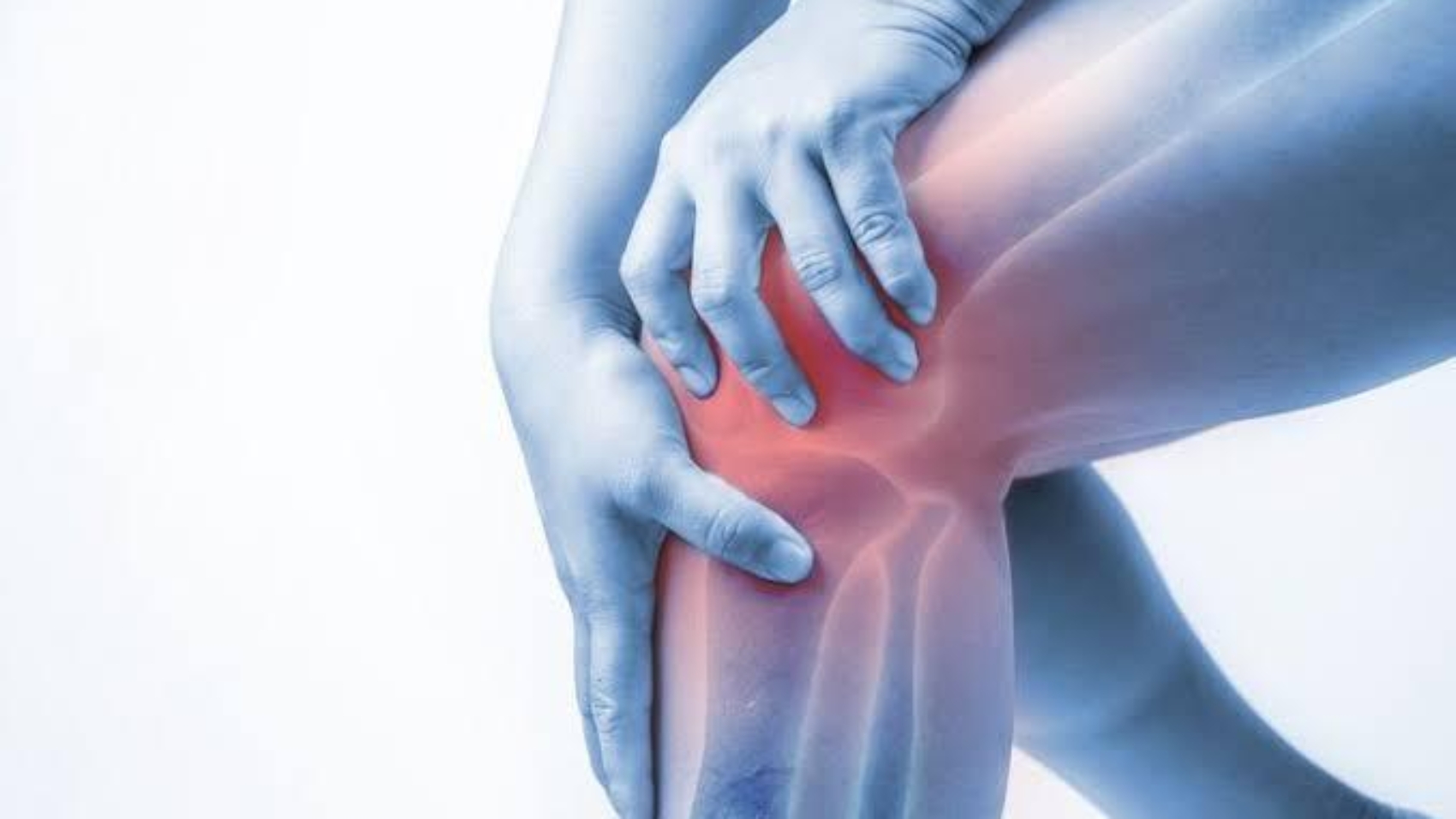
You finish a long shift framing houses out near Summerlin, and there it is again. That hot, searing line between your shoulder blade and spine. Burning pain in the shoulder blade has a way of following you home, sitting with you through dinner, and waking you at 2 AM. It makes reaching for a coffee cup feel like a chore. For many Las Vegas and Henderson residents, this kind of pain quietly reshapes daily life.

At CWPC (Center for Wellness & Pain Care), Dr. Neville Campbell, M.D./M.B.A., and his team treat this every day. The approach is non-surgical and evidence-based, built around what your body actually needs. You don’t have to live with burning pain in your shoulder blade. Relief starts with understanding what’s driving it.

What Is Burning Pain in the Shoulder Blade? A Plain-English Guide for Nevada Patients

Burning pain in the shoulder blade is a hot, nerve-like discomfort felt between the spine and the scapula. Unlike a dull ache, it often signals irritated or compressed nerves. Think of it like a frayed electrical wire sending sparks where it shouldn’t.

The causes are varied. Auto accidents on I-15 or US-95 can strain the neck and upper back, sending pain into the shoulder region. Construction and trades work, with its repeated lifting and overhead motion, wears down the upper spine over years. Age-related changes in the cervical spine are common too, which is why active retirees often notice it. Even a weekend of golf near Anthem or a hike at Red Rock can flare it up.

5–7 Signs You Need Treatment for Burning Pain in Shoulder Blade

Some discomfort fades on its own. But certain signs mean it’s time to see a specialist. Watch for these:

  • A hot, searing sensation that lingers after a long commute down the 215 near Henderson.
  • Pain that radiates from your shoulder blade into your neck or arm after heavy lifting on a Strip jobsite.
  • Numbness or tingling in the hand, often pointing to a pinched nerve.
  • Sharp flare-ups when you turn your head while driving on Eastern Avenue.
  • Burning that worsens at night and disrupts your sleep.
  • Weakness in the arm or grip that makes everyday tasks harder.
  • Pain that didn’t improve after a recent fender-bender on Flamingo Road.

If any of these sound familiar, don’t wait it out. Early evaluation often means simpler, more effective treatment.

How CWPC Treats Burning Pain in Shoulder Blade (Non-Surgical Focus)

Treatment at CWPC starts with finding the source, not just quieting symptoms. Once Dr. Campbell pinpoints what’s causing your burning shoulder blade pain, he builds a personalized treatment plan. Here are the main non-surgical options:

  1. Epidural Steroid Injections — These calm inflammation around irritated nerves in the cervical and thoracic spine, easing that burning sensation at its source.
  2. Radiofrequency Ablation (RFA) — RFA uses heat to interrupt pain signals from specific nerves, offering longer-lasting relief for chronic shoulder blade pain.
  3. Stem Cell Therapy / Regenerative Medicine — This approach supports the body’s natural healing in damaged tissue and joints contributing to your pain.
  4. Spinal Cord Stimulation (SCS) — For persistent nerve pain, SCS helps mask pain signals before they reach the brain.
  5. Medication Management — A safe, closely monitored plan keeps pain controlled without over-reliance on any single medication.
  6. Physical Therapy Referral — Targeted exercises rebuild strength and mobility in the upper back and shoulder, helping prevent flare-ups.

Each plan is to your body, your work, and your goals.

Why Las Vegas & Henderson Patients Trust CWPC for Burning Pain in Shoulder Blade

Dr. Campbell brings both an M.D. and an M.B.A. to his practice. That means expert clinical care paired with an efficient, patient-focused experience. You spend less time tangled in red tape and more time getting better.

Insurance access is wide. CWPC works with Medicare, Aetna, Cigna, UnitedHealthcare, and Anthem BCBS, along with workers’ compensation and auto liens. And because Nevada gives patients self-referral rights, you don’t need a referral from your primary doctor to be seen.

Meet Dr. Neville Campbell: The Physician Behind CWPC

Dr. Neville Campbell, M.D./M.B.A., leads CWPC with a clear mission: to relieve chronic pain and restore health, comfort, and quality of life. As a leader in interventional pain management, he focuses on treatments that address the root of the problem without surgery.

What sets his practice apart is the team environment. Dr. Campbell believes care works best when it’s compassionate and collaborative. Patients aren’t rushed through appointments. They’re listened to. That philosophy shapes every visit, from the first consultation to your follow-up plan.

Frequently Asked Questions About Burning Pain in Shoulder Blade

Can burning pain in the shoulder blade be managed without surgery? 

Yes. Most cases respond well to non-surgical care like injections, RFA, and physical therapy. Dr. Campbell designs each plan around your specific cause and goals.

Does CWPC accept my insurance for burning pain in shoulder blade treatment? 

CWPC accepts Medicare, Nevada Medicaid, Aetna, Cigna, UnitedHealthcare, Anthem BCBS, and more. We also handle workers’ compensation and auto liens. Call to confirm your plan.

How quickly can I get an appointment for burning pain in my shoulder blade in Las Vegas or Henderson? 

We often have same-day appointments for auto accidents and workers’ comp patients. Most new patients are seen quickly at either location.

Do I need a referral from my primary care doctor? 

No. Nevada is a self-referral state, so you can schedule directly with CWPC without a referral.

What results can I expect from burning pain in shoulder blade treatment at CWPC? 

Many patients report reduced pain and improved mobility over their treatment course. Results vary, so Dr. Campbell sets realistic expectations during your evaluation.

How long does each treatment session take? 

Most non-surgical procedures take under an hour. Injections and RFA are often outpatient and let you return home the same day.

Do you treat auto accidents–related burning pain in the shoulder blade with liens/LOA?

Yes. We work with auto liens and letters of protection so you can get care after an accident without upfront costs.

Do you accept Nevada workers’ compensation for burning pain in the shoulder blade? 

Yes. CWPC treats many workers’ comp patients and manages the paperwork so you can focus on recovery.


Healthy lifestyle. Back and spine disease. Closeup back view tired female massaging her neck colored in red isolated on gray background

Understanding Chronic Neck Pain and Modern Treatment Options

Chronic neck pain has become increasingly common due to long hours spent on phones, computers, and poor posture habits.

For many patients, neck discomfort can affect concentration, sleep, and daily productivity.

Common symptoms

Chronic neck pain may include stiffness, headaches, muscle tension, and limited range of motion.

Modern treatment approaches

Today’s treatment plans often combine physical therapy, posture correction, stretching exercises, and targeted pain management techniques.

Importance of posture

Poor posture places continuous stress on neck muscles and the spine. Correcting daily habits can significantly reduce discomfort over time.

Personalized care matters

Every patient experiences neck pain differently. A customized treatment plan helps address the specific cause rather than only masking symptoms.

Modern care focuses on improving both comfort and mobility for long-term relief.

At The Center for Wellness Orthopedic, Pain & Spine, comprehensive evaluations help patients understand the source of their pain and available treatment options.

2276344

Healthy Weight Management and Its Impact on Joint Health

Weight management plays an important role in overall wellness, especially when it comes to joint health.

Excess body weight places additional pressure on the knees, hips, and lower back. Over time, this stress may contribute to pain, inflammation, and reduced mobility.

Why weight affects joints

Every extra pound can increase stress on weight-bearing joints during walking and daily movement.

Small lifestyle changes matter

Healthy nutrition, regular movement, hydration, and proper sleep all contribute to better weight management and physical health.

Long-term wellness

Sustainable results usually come from consistent habits rather than extreme diets or temporary trends.

Medical guidance can also help patients create realistic goals based on their lifestyle and health needs.

Better weight management often leads to improved energy, movement, and quality of life.

How-Regenerative-Medicine-Is-Changing-the-Game-for-Knee-and-Hip-Pain

The Importance of Early Treatment for Knee Pain

Many people ignore knee pain until it begins affecting daily activities. However, early treatment can make a major difference in recovery and long-term joint health.

Small issues often become more serious when left untreated. Early diagnosis allows doctors to identify the root cause before the condition worsens.

Common causes of knee pain

Knee discomfort may develop from arthritis, sports injuries, overuse, or age-related wear and tear.

Benefits of early treatment

Seeking care early may help reduce inflammation, improve mobility, and prevent additional stress on the joint.

Non-surgical options

Modern treatment plans may include physical therapy, rehabilitation exercises, injections, and regenerative therapies depending on the patient’s condition.

Protecting knee health today can help maintain an active lifestyle tomorrow.

At The Center for Wellness Orthopedic, Pain & Spine, patients receive individualized care plans designed around their recovery goals.