
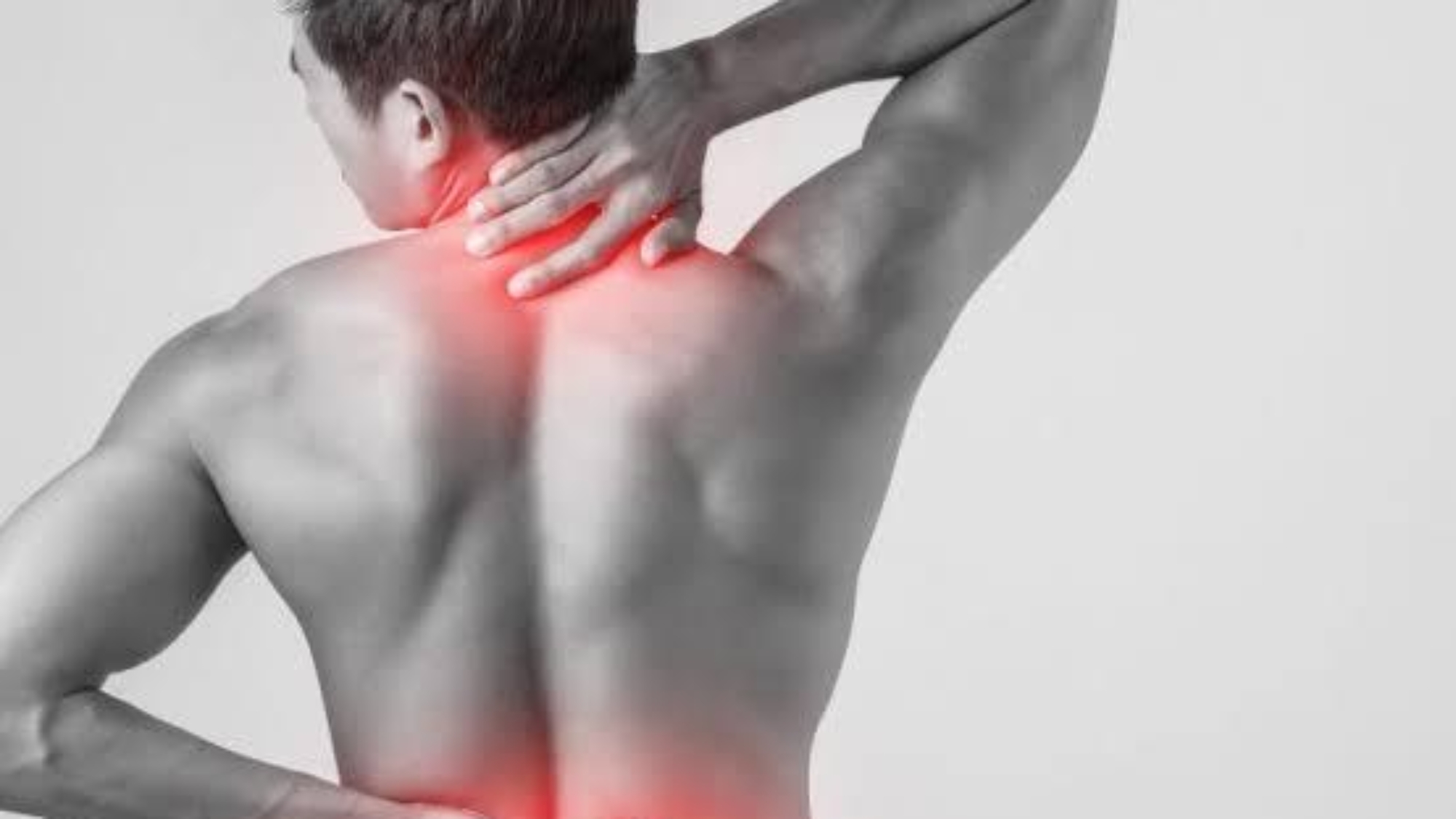
When something hurts, resting the affected area often seems like the obvious solution. Rest can be useful after certain injuries and periods of physical stress, but persistent musculoskeletal pain may require more than simply avoiding activity.
If pain continues for weeks or repeatedly returns, understanding the underlying cause becomes important.
The goal is not always complete inactivity. In many situations, the right approach involves identifying the source of pain and gradually restoring appropriate movement and function.
Why Does Rest Help?
Reducing activity can give irritated tissues an opportunity to recover, especially after an acute injury or sudden increase in physical activity.
Temporary rest may be appropriate when:
- An injury has just occurred
- A specific movement significantly increases pain
- The body needs time to recover from unusual physical stress
- A healthcare professional recommends activity restriction
However, prolonged inactivity may not be the right solution for every condition.
Why Can Too Much Rest Become a Problem?
The body is designed to move.
Extended inactivity can contribute to:
- Reduced muscle strength
- Reduced flexibility
- Stiffness
- Lower physical tolerance
- Difficulty returning to normal activities
This does not mean you should exercise through significant pain. Instead, the appropriate level and type of activity may need to be adjusted according to the underlying condition.
Persistent Pain May Have an Underlying Cause
If pain continues despite rest, the problem may not simply be that your body needs more time away from activity.
Potential causes can include:
- Joint problems
- Tendon irritation
- Nerve compression
- Disc-related conditions
- Muscle imbalance
- Arthritis
- Previous injuries
- Movement or biomechanical factors
Different causes require different approaches.
That is why continuing to rest without understanding the reason for persistent pain may not address the underlying issue.
The Role of Gradual Movement
For many musculoskeletal conditions, an appropriate rehabilitation program can help restore strength, mobility, and confidence.
Depending on the condition, treatment may involve:
- Physical therapy
- Stretching
- Strengthening exercises
- Mobility work
- Activity modification
- Ergonomic changes
- Medication when appropriate
- Targeted pain management
The type and timing of activity should be based on the individual’s condition rather than a one-size-fits-all routine.
When Should You Get Evaluated?
Consider professional evaluation when pain:
- Continues despite reasonable rest
- Repeatedly returns
- Interferes with work or daily activities
- Limits your range of motion
- Causes weakness or numbness
- Is becoming progressively worse
- Prevents you from participating in normal activities
A proper evaluation can help determine whether the problem requires continued rest, rehabilitation, medical treatment, or another approach.
Getting Back to the Right Kind of Movement
The goal of pain care is not simply to tell you to stop moving. In many cases, the long-term goal is to help you return to appropriate movement safely and confidently.
At CWOPS, Center for Wellness Orthopedic, Pain & Spine, our team provides evaluation and treatment options for a wide range of orthopedic, spine, and musculoskeletal conditions.
If persistent pain is keeping you from the activities you enjoy, contact CWOPS at (702) 476-9700 to discuss your symptoms and explore appropriate care options.

Add a Comment