
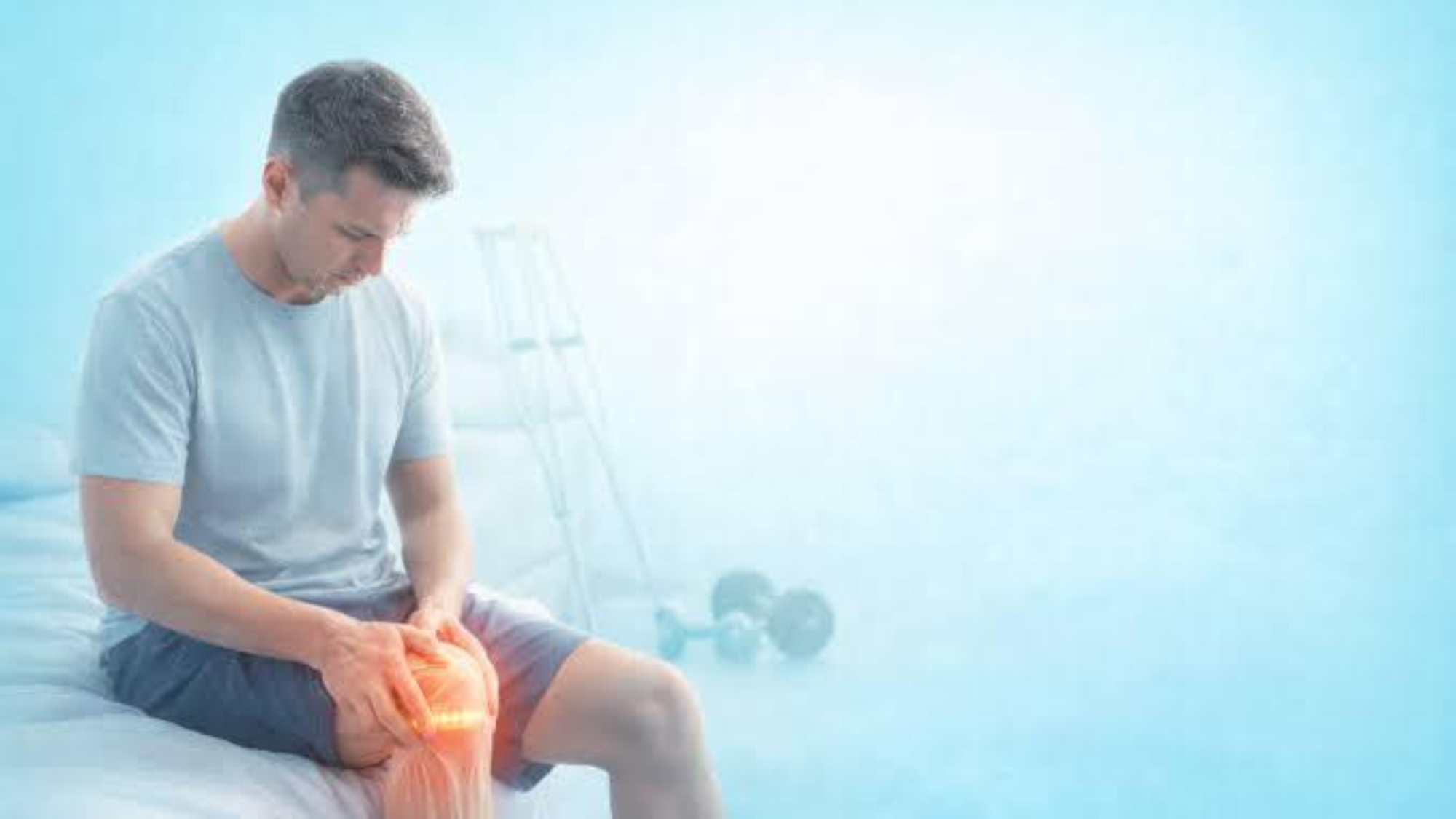
Recovering from an orthopedic injury is rarely an overnight process. Whether you have injured a muscle, tendon, ligament, or joint, the body needs time to repair damaged tissues and restore normal movement.
One reason recovery can feel slow is that pain may improve before the affected area has completely regained its strength and stability. Feeling better does not always mean the body is ready to return immediately to the same level of activity.
Returning to normal activities too quickly can place additional stress on healing tissues. This may increase the risk of reinjury or prolong the recovery process.
On the other hand, avoiding movement completely for too long can lead to stiffness, muscle weakness, and reduced mobility. Finding the right balance between protection and gradual movement is an important part of recovery.
Physical therapy can play a valuable role during this process. A structured rehabilitation program may focus on restoring range of motion, rebuilding strength, improving balance, and gradually returning the body to normal activity.
Recovery can also be affected by factors such as the severity of the original injury, overall fitness, age, previous injuries, and adherence to the recommended treatment plan.
At CWOPS, treatment and rehabilitation can be tailored to the individual rather than following a one-size-fits-all approach. The goal is to help patients recover safely while reducing the likelihood of future problems.
If your recovery seems unusually slow, your pain is getting worse instead of better, or you are having difficulty returning to normal activities, it may be time for another evaluation.
A slower recovery does not necessarily mean something has gone wrong. Sometimes the body simply needs more time and the right rehabilitation strategy to get back to functioning normally.

Add a Comment