images (66)

Understanding Muscle Strains vs. Ligament Sprains

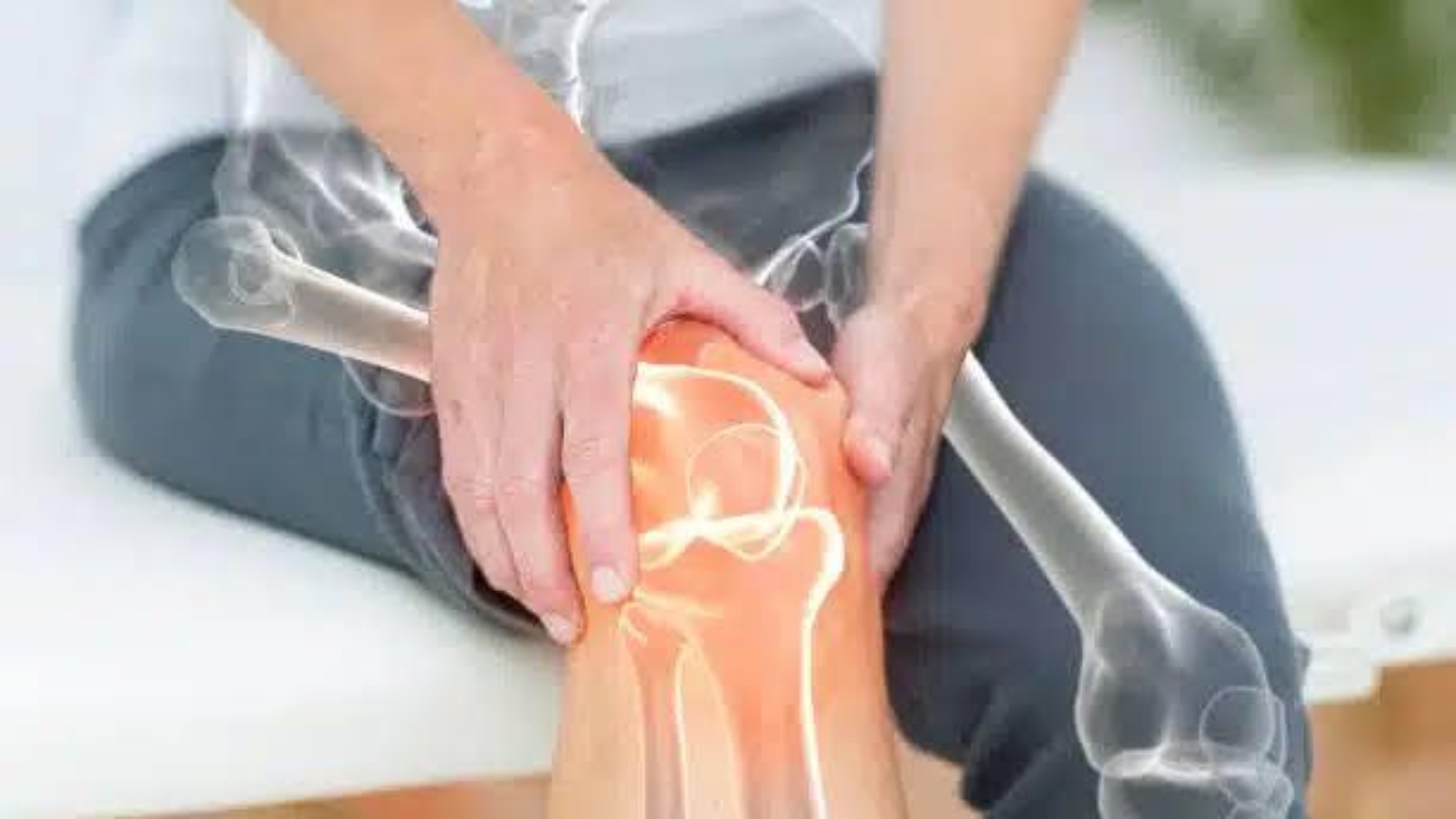
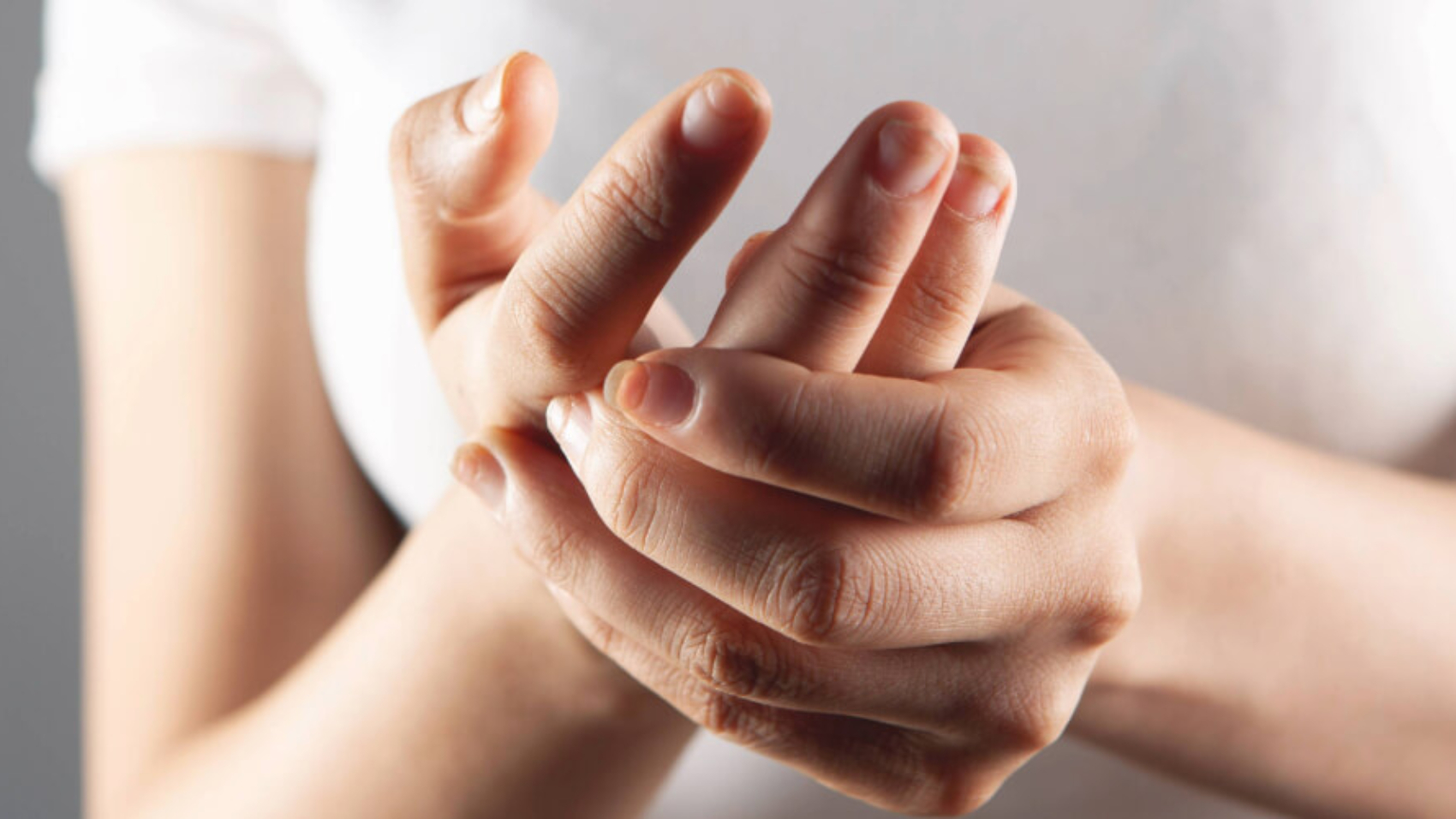
Muscle strains and ligament sprains are among the most common orthopedic injuries, yet many people are unsure of the difference. Although both injuries can cause pain and swelling, they affect different structures within the body.

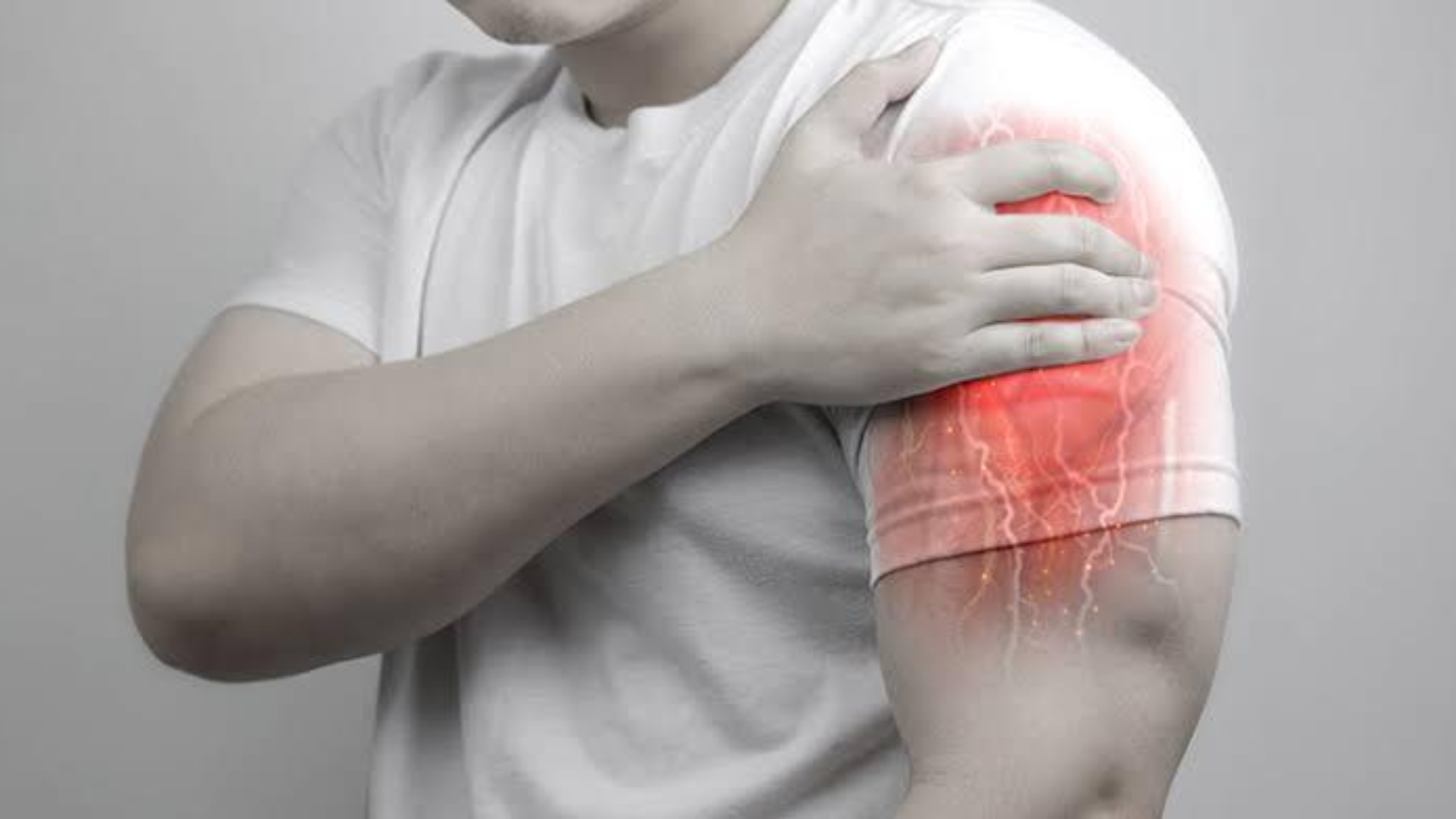
A muscle strain occurs when a muscle or tendon is stretched too far or tears. These injuries often happen during lifting, sudden movements, or overuse. Symptoms include muscle pain, weakness, swelling, and difficulty moving the affected area.

A ligament sprain involves damage to the strong bands of tissue that connect bones and stabilize joints. Sprains commonly affect the ankles, knees, and wrists. They often result from twisting injuries, falls, or sports-related accidents.

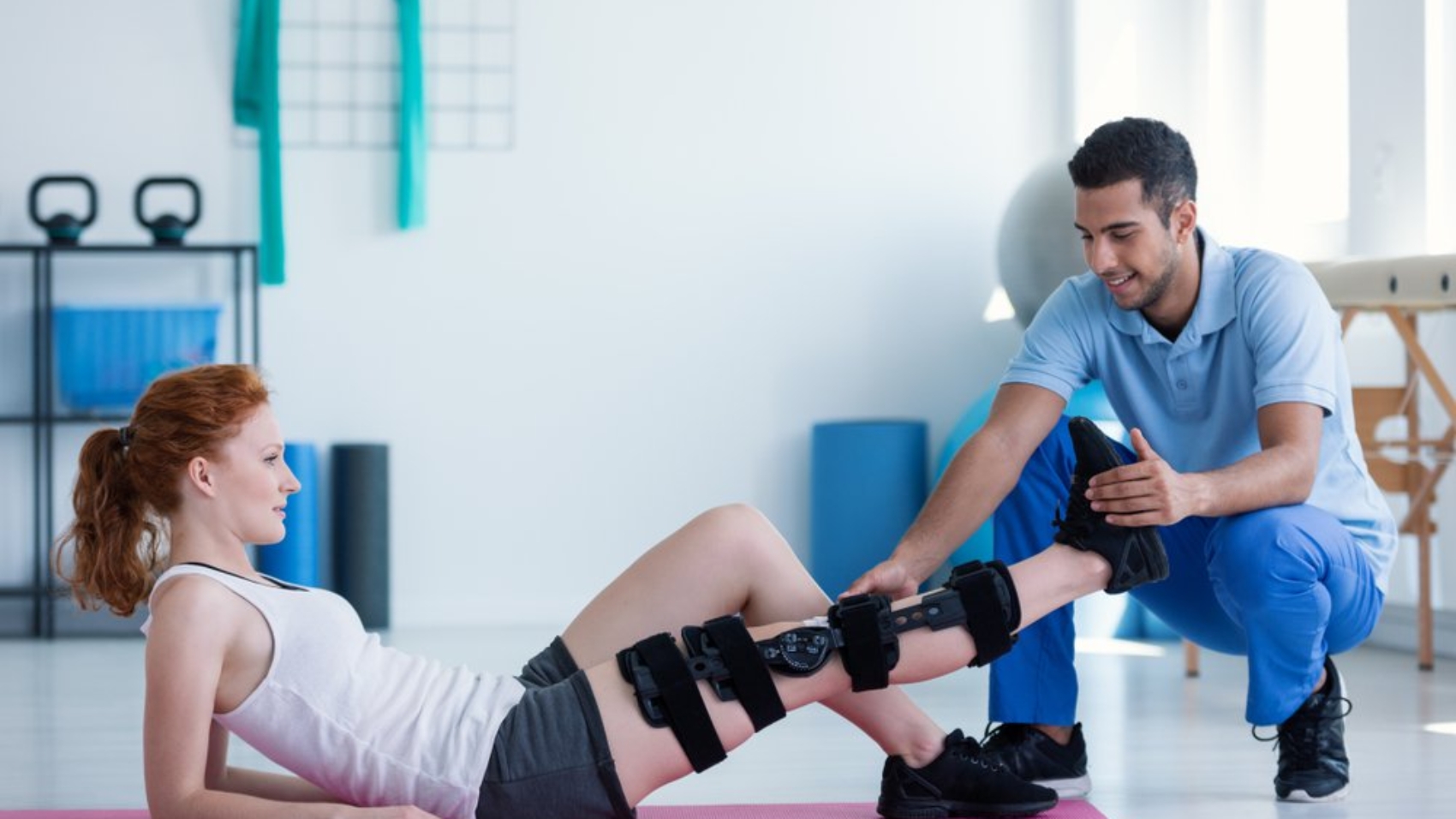
Proper diagnosis is important because treatment plans differ depending on the injury. Mild strains and sprains may improve with rest, ice, compression, and elevation, while more severe injuries may require physical therapy or additional medical treatment.

Ignoring either injury can delay healing and increase the risk of chronic instability or repeated injuries.

At CWOPS, comprehensive orthopedic evaluations help determine the severity of an injury and guide patients toward the most appropriate treatment plan. Early care promotes faster recovery and helps patients safely return to their normal activities.

images (65)

The Benefits of Walking for Joint and Spine Health

When people think about improving their health, they often imagine intense workouts or expensive fitness programs. However, one of the most effective forms of exercise is also one of the simplest: walking.

Walking is a low-impact activity that benefits nearly every part of the body, especially your joints and spine. Regular walking strengthens the muscles that support your knees, hips, and back while improving flexibility and balance. Strong muscles provide better support for your joints, reducing stress during everyday movement.

Walking also promotes healthy circulation, delivering oxygen and nutrients to muscles, joints, and connective tissues. Better circulation supports healing and may reduce stiffness associated with chronic pain conditions.

Another major benefit is weight management. Carrying excess weight places additional pressure on the spine and lower body joints. Even modest weight loss achieved through regular walking can significantly reduce stress on painful joints.

Patients living with chronic back pain or arthritis often worry that exercise will worsen their symptoms. In reality, gentle movement usually helps reduce stiffness and improves overall function. Starting with short walks and gradually increasing distance is often recommended.

Comfortable shoes, good posture, and consistent movement are key. Even walking for 20 to 30 minutes most days of the week can make a noticeable difference.

At CWOPS, staying active is often an important part of a personalized treatment plan. Combined with professional medical care, regular walking can help patients improve mobility, reduce pain, and maintain long-term joint health.

images (64)

Is Your Hip Pain Telling You Something More Serious?

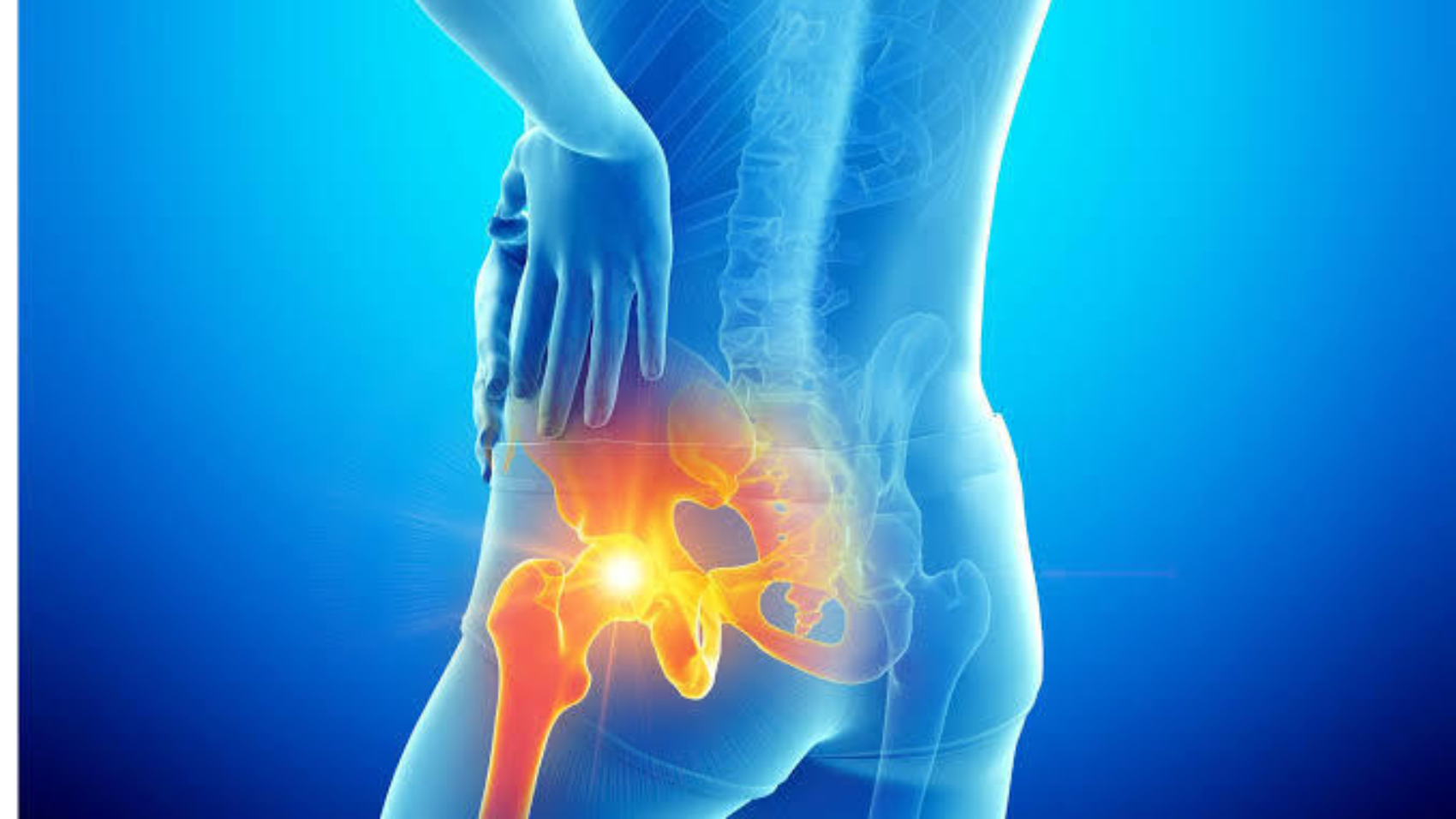
Hip pain is a common complaint among adults of all ages. While occasional soreness after exercise or physical activity is normal, persistent hip pain should never be ignored. Your hips are among the body’s largest weight-bearing joints, allowing you to walk, climb stairs, stand, and perform countless everyday movements. When pain develops, it can significantly affect your mobility and overall quality of life.

Hip pain may be caused by arthritis, bursitis, tendon injuries, muscle strains, or inflammation. In some cases, the pain doesn’t actually originate in the hip. Conditions affecting the lower back, such as a herniated disc or sciatica, can cause pain that radiates into the hip and upper leg.

Common symptoms include stiffness after sitting, pain while walking, discomfort when lying on one side, or limited range of motion. If these symptoms persist for more than a few weeks or interfere with daily activities, it’s important to seek medical evaluation.

At CWOPS, a thorough assessment helps determine the underlying cause of hip pain. This may include a physical examination, a review of your medical history, and imaging studies if necessary. Once a diagnosis is made, treatment is tailored to your specific condition.

Many patients respond well to non-surgical treatments such as physical therapy, anti-inflammatory medications, lifestyle modifications, and image-guided injections. These approaches can reduce pain, improve mobility, and help prevent further joint damage.

The earlier hip pain is evaluated, the more treatment options are typically available. Addressing the problem before it worsens can help you stay active and avoid unnecessary complications.

images (58)

Everyday Signs Your Body May Be Asking for Orthopedic Care

Our bodies often provide early warning signs before a more serious orthopedic condition develops. Paying attention to these symptoms can lead to earlier diagnosis and more effective treatment.

Persistent joint stiffness, recurring back pain, limited range of motion, swelling, frequent muscle weakness, and pain during everyday activities should never be ignored. Even mild symptoms that continue for several weeks deserve medical attention.

Early evaluation allows healthcare providers to diagnose conditions before they worsen. Many orthopedic problems can be managed successfully with conservative treatments, including physical therapy, medications, injections, and lifestyle modifications.

At CWOPS, we believe that listening to your body is the first step toward better health. Early intervention can reduce pain, improve mobility, and help patients maintain an active lifestyle.

images (57)

Recovering After a Sports Injury: Why Proper Rehabilitation Matters

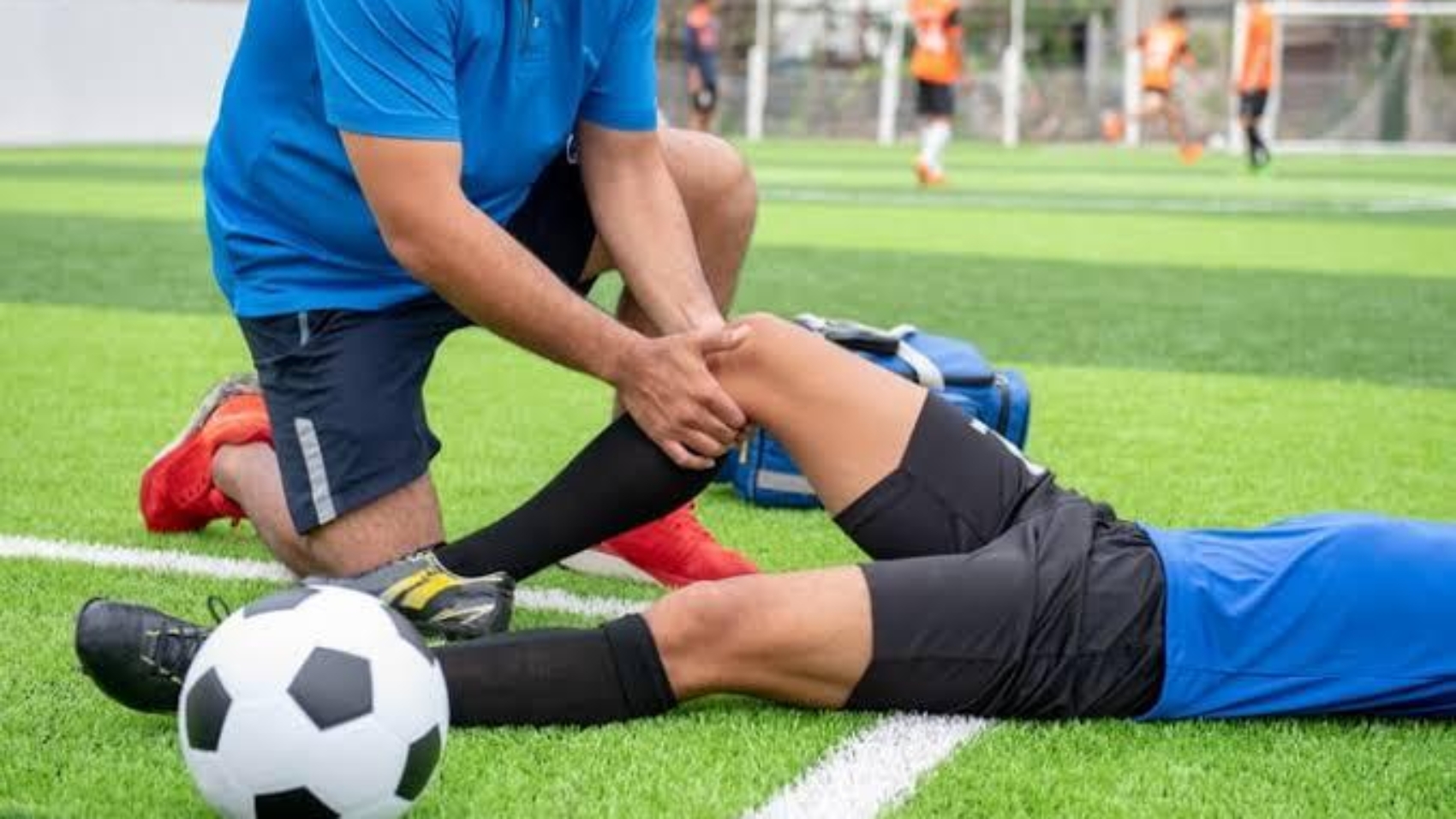
Sports injuries can happen to athletes of every age and skill level. While rest is important, recovery often requires much more than simply waiting for the pain to disappear.

Without proper rehabilitation, injured muscles, ligaments, and joints may heal incorrectly, increasing the risk of future injuries. Physical therapy helps restore flexibility, strength, balance, and confidence while reducing the chance of reinjury.

Recovery plans should be personalized based on the specific injury, activity level, and overall health of the patient. Gradually returning to physical activity under professional guidance is the safest approach.

At CWOPS, our team works closely with patients to create customized rehabilitation programs that promote healing and support a safe return to sports and everyday activities.

images (56)

Common Workplace Habits That Can Cause Neck and Shoulder Pain

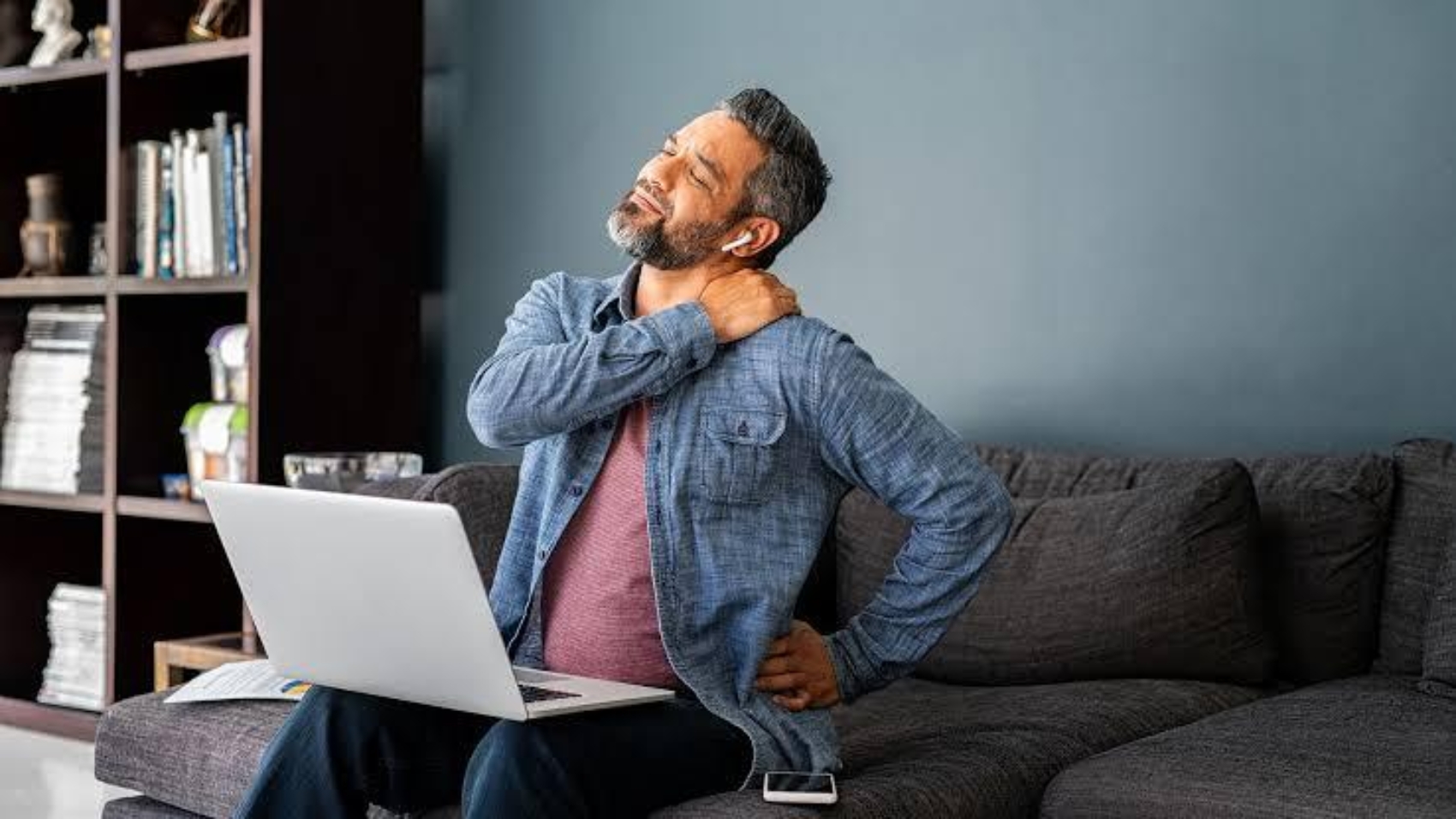
Many office workers experience neck and shoulder pain without realizing their daily habits may be responsible. Sitting at a computer for long periods, looking down at a phone, or working from an improper workstation can place continuous strain on the muscles and joints.

Poor posture causes the head to move forward, increasing pressure on the cervical spine. Over time, this may lead to muscle tension, headaches, reduced range of motion, and nerve irritation.

Simple changes such as adjusting monitor height, using an ergonomic chair, taking regular stretch breaks, and maintaining proper posture can significantly reduce discomfort.

If pain continues despite these adjustments, a medical evaluation may be necessary to rule out underlying spinal conditions.

At CWOPS, we help patients identify the source of workplace-related pain and develop treatment plans that support long-term relief.

images (55)

The Connection Between Core Strength and Back Pain

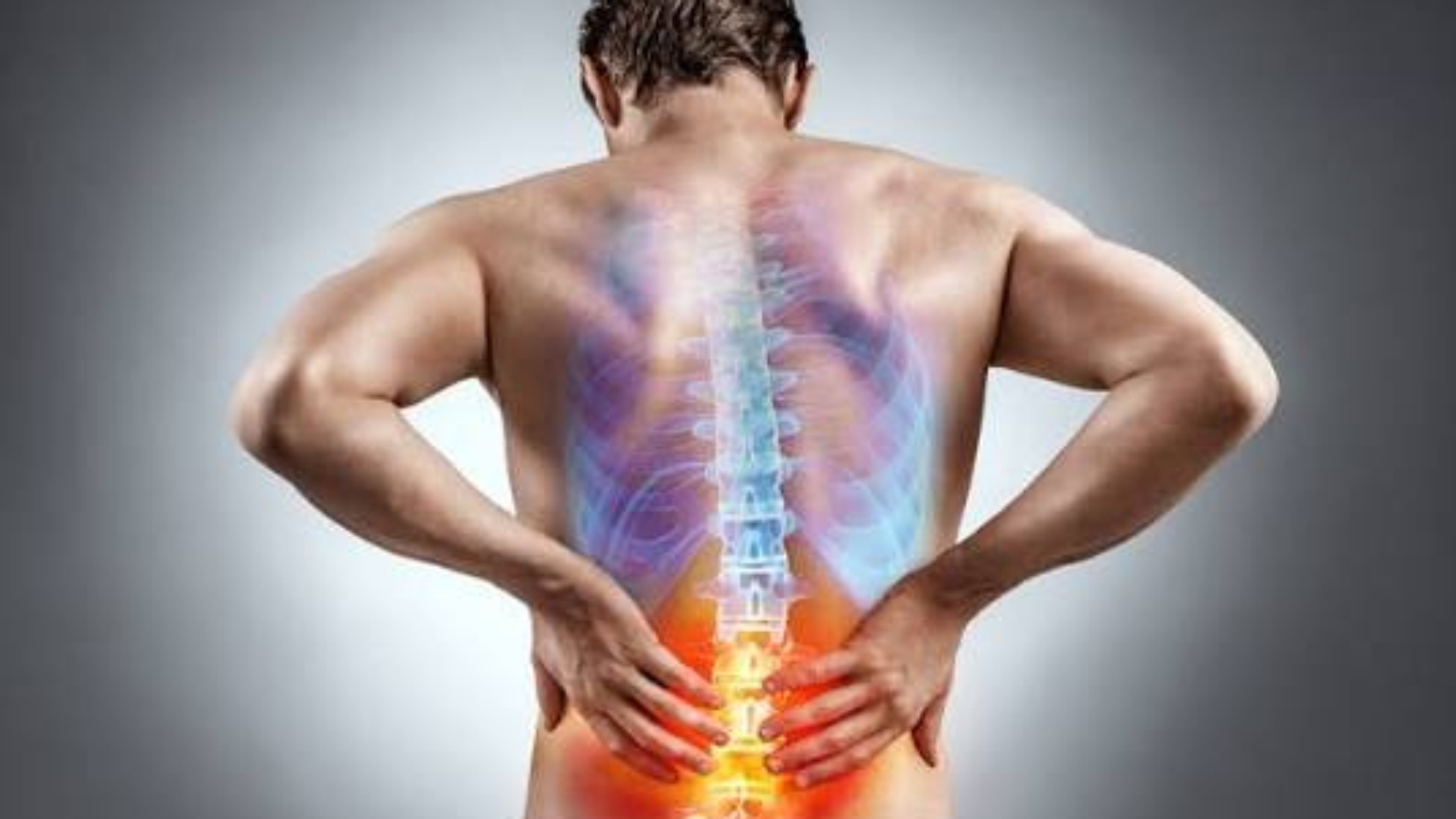
Many people associate back pain with injuries or aging, but weak core muscles are often a hidden contributor. Your core muscles support your spine during nearly every movement, from standing and walking to lifting and bending.

When these muscles become weak, extra stress is placed on the spine and surrounding structures. Over time, this can lead to poor posture, muscle fatigue, and chronic lower back pain.

Strengthening the core does not require intense workouts. Simple exercises recommended by healthcare professionals can improve stability and reduce pressure on the spine. Combined with proper posture and flexibility training, core strengthening can significantly lower the risk of future back problems.

At CWOPS, rehabilitation programs often include exercises designed to strengthen the muscles that protect the spine while improving overall function and reducing pain.

How_Chronic_Inflammation_Leads_to_Persistent_Pain

How Inflammation Can Lead to Chronic Pain

Inflammation is your body’s natural response to injury or illness. It plays an important role in healing, but when inflammation becomes chronic, it can lead to persistent pain and reduced mobility. Many people experience ongoing discomfort without realizing that inflammation may be the underlying cause.

Conditions such as arthritis, tendonitis, bursitis, and autoimmune disorders can all contribute to chronic inflammation. Symptoms often include swelling, stiffness, warmth around the affected joint, and pain that worsens with movement or after periods of rest.

Lifestyle factors can also increase inflammation. Poor diet, lack of exercise, smoking, chronic stress, and inadequate sleep may all contribute to inflammatory responses within the body.

Treatment focuses on addressing both the symptoms and the underlying cause. Physical therapy, anti-inflammatory medications, minimally invasive pain management procedures, and healthy lifestyle changes can all help reduce inflammation and improve quality of life.

At CWOPS, our team develops personalized treatment plans to help patients manage inflammation, relieve pain, and regain mobility without unnecessary surgery whenever possible.

Screenshot 2026-06-28 053723

Signs It’s Time to See a Pain Specialist

Many people live with chronic pain for months or even years before seeking professional care. Unfortunately, waiting too long can make treatment more difficult.

You should consider seeing a pain specialist if your pain lasts longer than three months, interferes with work or sleep, limits your mobility, or does not improve with over-the-counter medications.

Pain specialists evaluate complex conditions involving the spine, joints, muscles, and nerves. They can identify underlying causes that may not be obvious and recommend advanced treatment options tailored to each patient’s needs.

Depending on the diagnosis, treatment may include medication management, physical therapy, minimally invasive procedures, regenerative medicine options, or lifestyle recommendations.

At CWOPS, our experienced team is dedicated to helping patients find lasting relief through personalized, evidence-based care. Our goal is to reduce pain, improve function, and help every patient return to the activities they enjoy most.

shutterstock_1177541623

How Physical Therapy Supports Recovery from Orthopedic Injuries

Recovering from an orthopedic injury requires more than simply allowing time to heal. Physical therapy plays a vital role in restoring movement, rebuilding strength, and preventing future injuries.

Whether recovering from a sports injury, surgery, or chronic joint pain, physical therapy focuses on improving flexibility, balance, muscle strength, and overall function.

A licensed therapist develops a personalized exercise program based on your specific condition and recovery goals. As strength improves, exercises gradually become more advanced to help patients safely return to their daily activities.

Physical therapy can also reduce pain by improving joint mechanics, correcting movement patterns, and increasing circulation to injured tissues.

At CWOPS, physical therapy is often incorporated into comprehensive treatment plans to help patients achieve lasting recovery without unnecessary surgery whenever possible.