After a long shift framing houses out near Summerlin, your lower back locks up before you even reach the truck. The drive home on US-95 turns into a slow, aching crawl. You know you need help. But who do you call? That question, pain management vs orthopedic doctor, stops a lot of Nevadans in their tracks. Both treat pain. They go about it differently. Understanding the difference helps you pick the right path the first time, instead of bouncing between offices for months.
At CWPC (Center for Wellness & Pain Care), Dr. Neville Campbell, M.D./M.B.A., leads a team focused on non-surgical, evidence-based relief. The goal is simple: improve your quality of life and restore mobility without rushing you toward the operating room. You don’t have to live with the confusion around pain management vs orthopedic doctor, or the pain itself.
What Is the Difference Between a Pain Management vs Orthopedic Doctor? A Plain-English Guide for Nevada Patients
Think of it like fixing a leaky roof. An orthopedic surgeon is the contractor who replaces the damaged section, they specialize in the bones, joints, and surgical repair of structural problems. A pain management physician is the specialist who stops the water damage from spreading and keeps the house livable while you decide what’s next.
Orthopedic doctors often focus on surgery: joint replacements, fracture repair, torn ligaments. Pain management focuses on interventional, non-surgical treatments that target the source of chronic pain directly.
Many Nevada patients land in pain after a rear-end collision on I-15, years of construction work, age-related wear, or a weekend hike at Red Rock that ended badly. For these folks, the question of pain management vs orthopedic doctor usually tilts toward pain management first, because surgery isn’t always necessary, and conservative care often comes first for a reason.
5–7 Signs You Should Consider Pain Management Over an Orthopedic Doctor
Not sure which direction fits your situation? These signs point toward interventional pain management:
- Pain that lingers past 12 weeks even though imaging shows no clear surgical emergency, common after that fender-bender on the 215 near Henderson.
- Sharp flares after stop-and-go traffic on Eastern Avenue that no amount of stretching seems to settle.
- You want to avoid surgery or have already been told you’re not a surgical candidate.
- Failed back or joint surgery that left you hurting, a frustrating reality for some active retirees in Green Valley.
- Nerve pain, numbness, or tingling that shoots down a leg or arm after heavy lifting on a Strip jobsite.
- You’ve maxed out over-the-counter options and want a monitored, professional plan.
- Arthritis or spinal stenosis making your morning walk through Anthem harder than it used to be.
If several of these sound familiar, a pain management consultation is a sensible starting point.
How CWPC Treats Pain (Non-Surgical Focus)
This is where the pain management vs orthopedic doctor distinction really shows. Instead of leading with surgery, CWPC offers targeted, interventional treatments built around your specific diagnosis. Here are six core options:
- Epidural Steroid Injections — Deliver anti-inflammatory medication near irritated nerves to calm swelling and reduce pain.
- Radiofrequency Ablation (RFA) — Uses heat to interrupt pain signals from specific nerves, offering longer-lasting relief.
- Stem Cell Therapy / Regenerative Medicine — Aims to support the body’s natural healing in damaged joints and tissue.
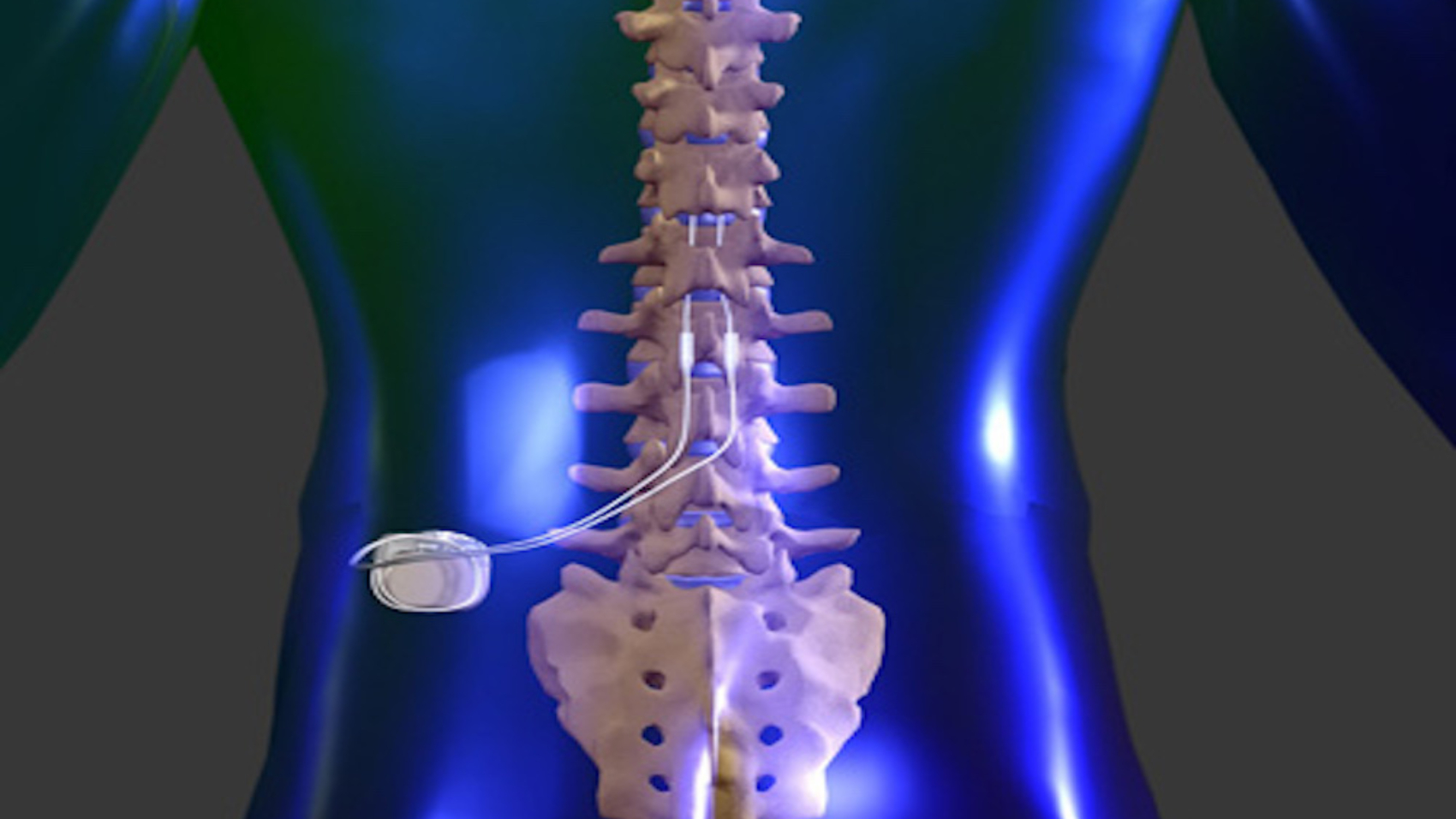
- Spinal Cord Stimulation (SCS) — A small device helps mask chronic pain signals before they reach the brain.
- Medication Management — A safe, carefully monitored approach to keep pain controlled without guesswork.
- Physical Therapy Referral — Builds strength and mobility so progress holds over time.
Each treatment fits into a personalized treatment plan. The aim is to manage chronic pain and get you back to daily life, not to push a one-size-fits-all fix.
Why Las Vegas & Henderson Patients Trust CWPC for Pain Care
Dr. Campbell’s M.D./M.B.A. background means you get both strong clinical care and a practice that runs efficiently, less waiting, more focus on you. That matters when you’re hurting and need answers fast.
CWPC works with a wide range of coverage, including Workers’ Compensation, Medicare, Aetna, UnitedHealthcare, and Anthem BCBS. And here’s something many patients don’t realize: in Nevada, you have self-referral rights. You don’t need your primary care doctor’s permission to see a pain specialist.
Meet Dr. Neville Campbell: The Physician Behind CWPC
Dr. Neville Campbell, M.D./M.B.A., brings a rare combination to interventional pain management: deep clinical expertise paired with a sharp sense of how to deliver care efficiently and compassionately.
His mission is straightforward, to relieve chronic pain and restore health, comfort, and quality of life for every patient who walks through the door. As a leader in the field, he’s built a collaborative team environment where each patient’s plan is tailored, not templated. The result is care that feels personal, backed by genuine medical authority and a commitment to doing right by the people of Clark County.
Frequently Asked Questions About Pain Management vs Orthopedic Doctor
- Can pain be managed without seeing an orthopedic surgeon?
Yes, in many cases. Interventional pain management offers non-surgical options like injections and nerve treatments. Many patients find meaningful relief without ever needing surgery.
- Does CWPC accept my insurance for pain management vs orthopedic doctor care?
CWPC accepts most major plans, including Medicare, Nevada Medicaid, Aetna, Cigna, UnitedHealthcare, and Anthem BCBS. Workers’ comp and auto liens are also accepted.
- How quickly can I get an appointment in Las Vegas or Henderson?
Appointments are often available quickly, with same-day options frequently open for auto accident and workers’ compensation patients. Call (702) 476-9700 to check current availability.
- Do I need a referral from my primary care doctor?
No. Nevada is a self-referral state, so you can book directly with CWPC without waiting on a referral from another physician.
- What results can I expect from pain management treatment at CWPC?
Results vary by condition and individual. Many patients report reduced pain and improved mobility through a personalized treatment plan focused on evidence-based relief.
- How long does each treatment session take?
Most interventional procedures are quick, often completed within 30 to 60 minutes. Your specific timing depends on the treatment your provider recommends.
- Do you treat auto accidents–related pain with liens/LOA?
Yes. CWPC works with auto accident patients using liens and Letters of Protection (LOA), so you can get care while your case is pending.
- Do you accept Nevada workers’ compensation?
Yes. CWPC accepts Nevada workers’ compensation, making it a practical choice for trades and construction workers injured on the job.
Serving All of Clark County: CWPC Locations
CWPC keeps care close to home with two locations covering the Las Vegas valley.
Henderson: Serving Green Valley, Anthem, Seven Hills, and Lake Las Vegas, with easy access off Stephanie Street.
Las Vegas: Serving Summerlin, Centennial Hills, Spring Valley, Paradise, Downtown, and the Cimarron area.
Getting to us is simple from anywhere in the valley, with quick connections via I-15, US-95, and the 215 Beltway. Wherever you are in Clark County, evidence-based pain relief is a short drive away.