images (84)

Small Changes That Can Help Reduce Everyday Back Strain

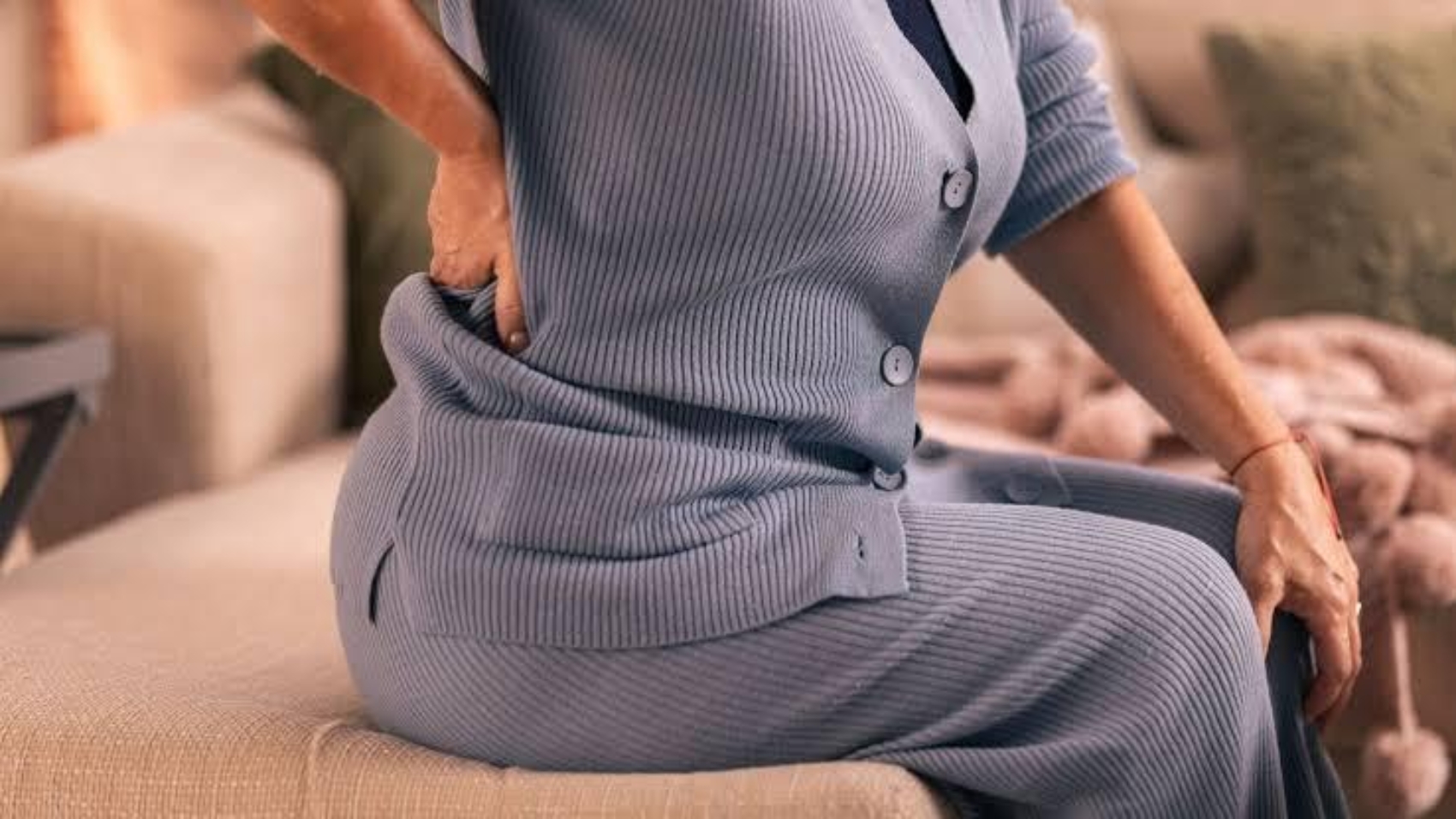
Many cases of back pain develop gradually through everyday habits rather than a single injury. Fortunately, making a few simple adjustments throughout the day can reduce strain on your spine and help prevent future discomfort.

Start by paying attention to your posture. Keep your shoulders relaxed, your feet flat on the floor when sitting, and avoid slouching for extended periods. If you work at a desk, position your monitor at eye level and take short standing or stretching breaks every hour.

When lifting heavy objects, bend your knees instead of your back and keep the object close to your body. Sleeping on a supportive mattress and using a pillow that keeps your spine aligned can also reduce morning stiffness.

Regular physical activity strengthens the muscles that support the spine, making everyday movements easier and reducing the risk of injury.

At CWOPS, we believe that prevention is an important part of orthopedic care. Small lifestyle changes, combined with timely medical treatment when needed, can help patients enjoy healthier backs and better quality of life for years to come.


images (83)

Why Recovery Is Just as Important as Exercise

Exercise is essential for maintaining healthy muscles, joints, and bones, but recovery is equally important. Without allowing the body enough time to heal after physical activity, overuse injuries can develop and interfere with long-term health.

Recovery allows muscles to repair, joints to recover from stress, and inflammation to decrease naturally. Skipping rest days or increasing workout intensity too quickly may increase the risk of tendon injuries, muscle strains, and joint pain.

Simple recovery habits include staying hydrated, getting enough sleep, stretching after exercise, and gradually increasing activity levels rather than making sudden changes. Listening to your body is one of the best ways to avoid preventable injuries.

If soreness lasts longer than expected or becomes severe, it may indicate a more significant orthopedic problem that deserves medical evaluation.

At CWOPS, we help patients understand the importance of balancing activity with proper recovery to support long-term mobility and injury prevention.

images (81)

Simple Daily Habits That Help Keep Your Bones Strong

Strong bones provide the foundation for an active and independent lifestyle. While many people think bone health only becomes important later in life, healthy habits should begin at every age.

A balanced diet rich in calcium and vitamin D helps support bone strength. Dairy products, leafy green vegetables, fish, and fortified foods are excellent sources of these important nutrients. Regular weight-bearing exercises such as walking, climbing stairs, or light strength training also encourage healthy bone development.

Avoiding smoking and limiting alcohol consumption can further reduce the risk of bone loss over time. Maintaining a healthy weight is equally important, as being underweight or overweight can affect bone and joint health.

Routine medical checkups can help identify risk factors for osteoporosis and other conditions before fractures occur. Early intervention allows patients to make lifestyle changes that protect their long-term health.

At CWOPS, we encourage preventive care alongside treatment. Protecting your bones today can help reduce injuries and support better mobility in the future.

images (80)

How Stress Can Make Physical Pain Feel Worse

When people think about chronic pain, they often focus on physical injuries or medical conditions. However, emotional stress can also play a significant role in how the body experiences pain. Stress doesn’t necessarily cause orthopedic conditions, but it can intensify existing pain and make recovery more challenging.

When you’re under stress, your body releases hormones that prepare you for a “fight or flight” response. This reaction causes muscles to tighten, especially around the neck, shoulders, and lower back. If stress continues for weeks or months, muscle tension can become persistent, leading to discomfort, headaches, and reduced flexibility.

Stress may also interfere with sleep, and poor sleep is closely linked to increased pain sensitivity. As a result, many people find themselves stuck in a cycle where pain causes stress, and stress makes the pain feel even worse.

Managing stress through regular physical activity, stretching, deep breathing, and healthy sleep habits can support your overall treatment plan. When combined with professional medical care, these strategies may help improve both physical and emotional well-being.

At CWOPS, we understand that successful pain management often involves addressing the whole person, not just the symptoms. Our personalized treatment plans focus on improving function, reducing pain, and helping patients return to the activities they enjoy.

Screenshot 2026-06-28 053723

The Importance of Personalized Pain Management

No two patients experience pain in exactly the same way. The location, severity, and underlying cause of pain can vary significantly, which is why personalized treatment is essential.

Effective pain management begins with understanding the complete picture. Healthcare providers consider your medical history, lifestyle, physical examination, imaging results, and personal goals before recommending treatment.

For some patients, physical therapy and exercise may provide significant relief. Others may benefit from medications, image-guided injections, minimally invasive procedures, or regenerative therapies. Often, the best outcomes come from combining multiple treatment approaches.

Personalized care also focuses on improving function, not simply reducing pain. The ultimate goal is to help patients return to work, enjoy hobbies, spend time with family, and live more comfortably.

At CWOPS, every treatment plan is tailored to the individual. By addressing the underlying cause of pain and considering each patient’s unique needs, we strive to provide lasting relief and improved quality of life.

images (79)

Everyday Habits That Support Healthier Knees

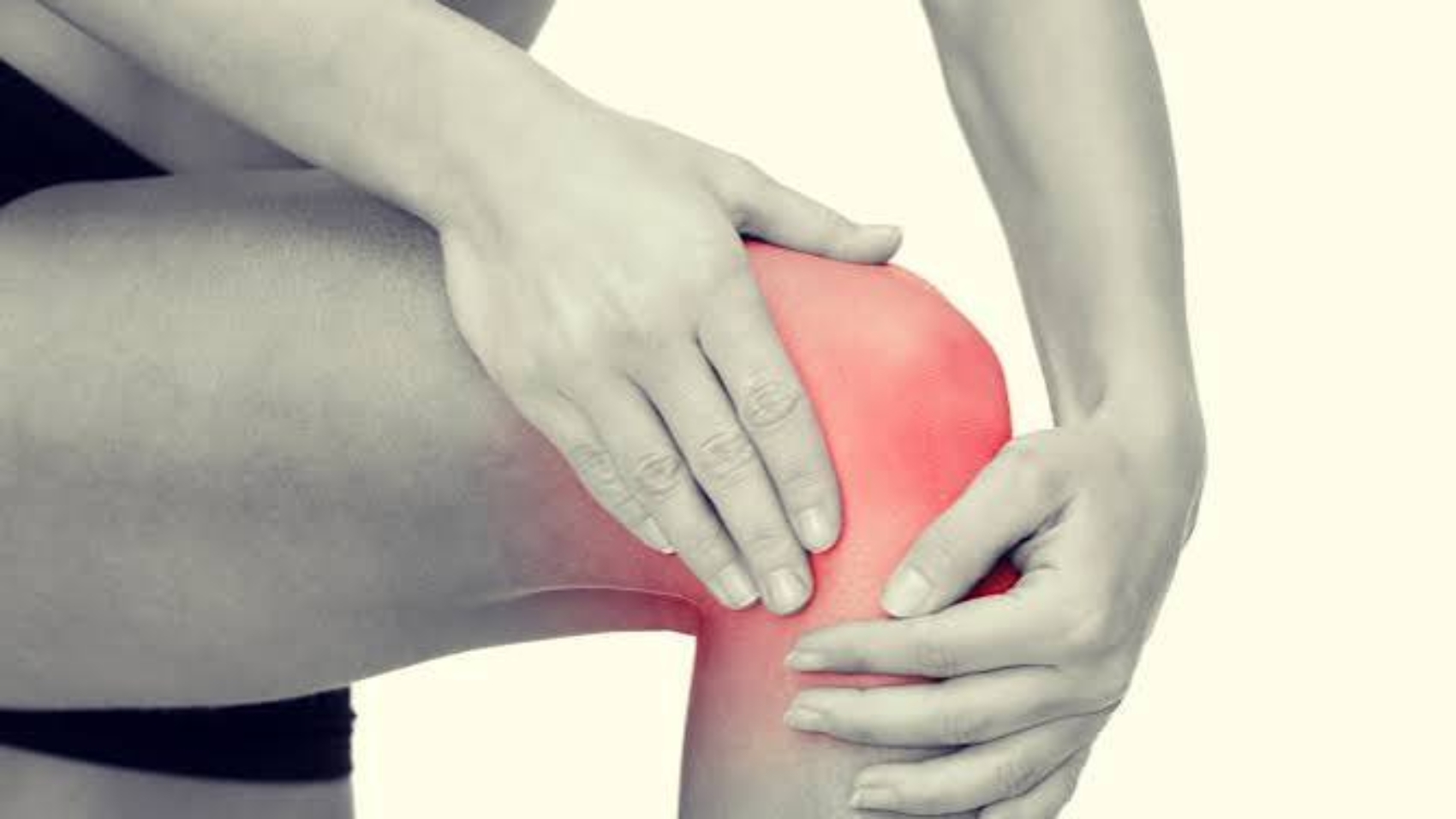
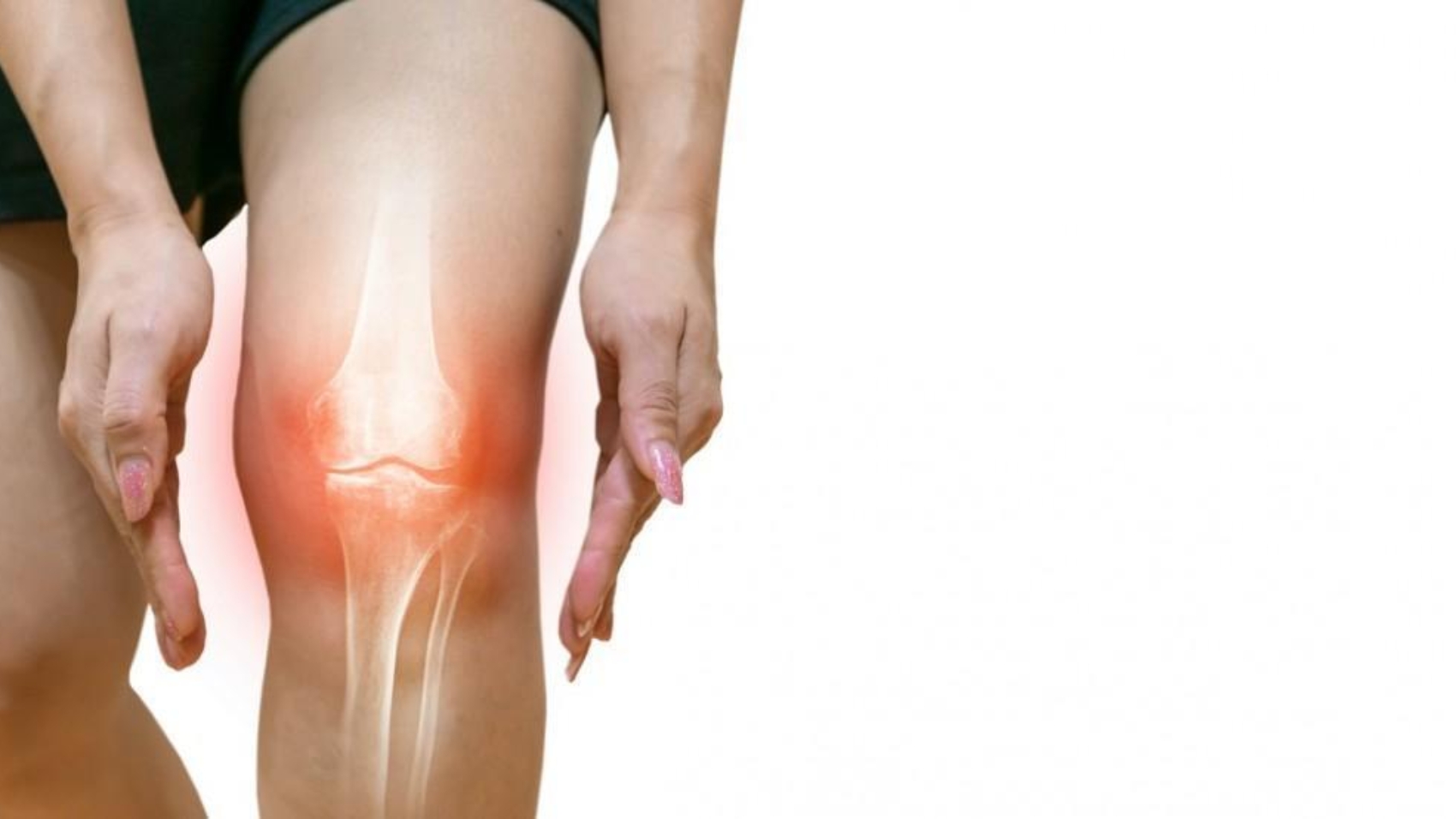
Healthy knees are essential for nearly every movement you make, from walking and climbing stairs to exercising and playing with your children or grandchildren. Fortunately, small daily habits can make a significant difference in protecting your knees.

Maintaining a healthy weight is one of the most effective ways to reduce stress on the knee joints. Every extra pound of body weight increases the pressure placed on the knees during daily activities.

Regular strengthening exercises for the quadriceps, hamstrings, and hip muscles provide better support for the knee joint. Low-impact activities such as cycling, swimming, and walking are excellent choices for maintaining mobility without excessive joint stress.

Proper footwear also plays an important role. Supportive shoes help distribute body weight evenly and improve alignment during movement.

If knee pain persists despite lifestyle changes, it may indicate an underlying condition that requires medical attention. At CWOPS, our team provides personalized evaluations and treatment options to help patients maintain healthy, active lifestyles.

images (78)

What Happens When You Delay Treatment for a Sports Injury?

Whether you’re a competitive athlete or simply enjoy staying active, it’s tempting to “play through the pain.” Unfortunately, delaying treatment for a sports injury can turn a minor problem into a more serious condition.

Sprains, strains, tendon injuries, and joint inflammation may initially seem manageable. However, continuing normal activity without allowing proper healing can increase tissue damage and prolong recovery.

Compensating for an injury can also create new problems. For example, favoring one leg because of knee pain may place extra stress on the hips, lower back, or opposite knee, leading to additional injuries.

Early evaluation helps determine the severity of the injury and ensures the correct treatment plan is started promptly. Depending on the condition, treatment may include rest, physical therapy, bracing, medications, or minimally invasive procedures.

At CWOPS, our goal is to help patients recover safely while reducing the risk of future injuries. A structured rehabilitation plan allows individuals to return to their favorite activities with improved strength and confidence.

2459875

How Flexibility Helps Protect Your Joints as You Age

Staying flexible is about much more than touching your toes. Good flexibility helps your joints move through their full range of motion, reduces stiffness, improves balance, and lowers the risk of injury.

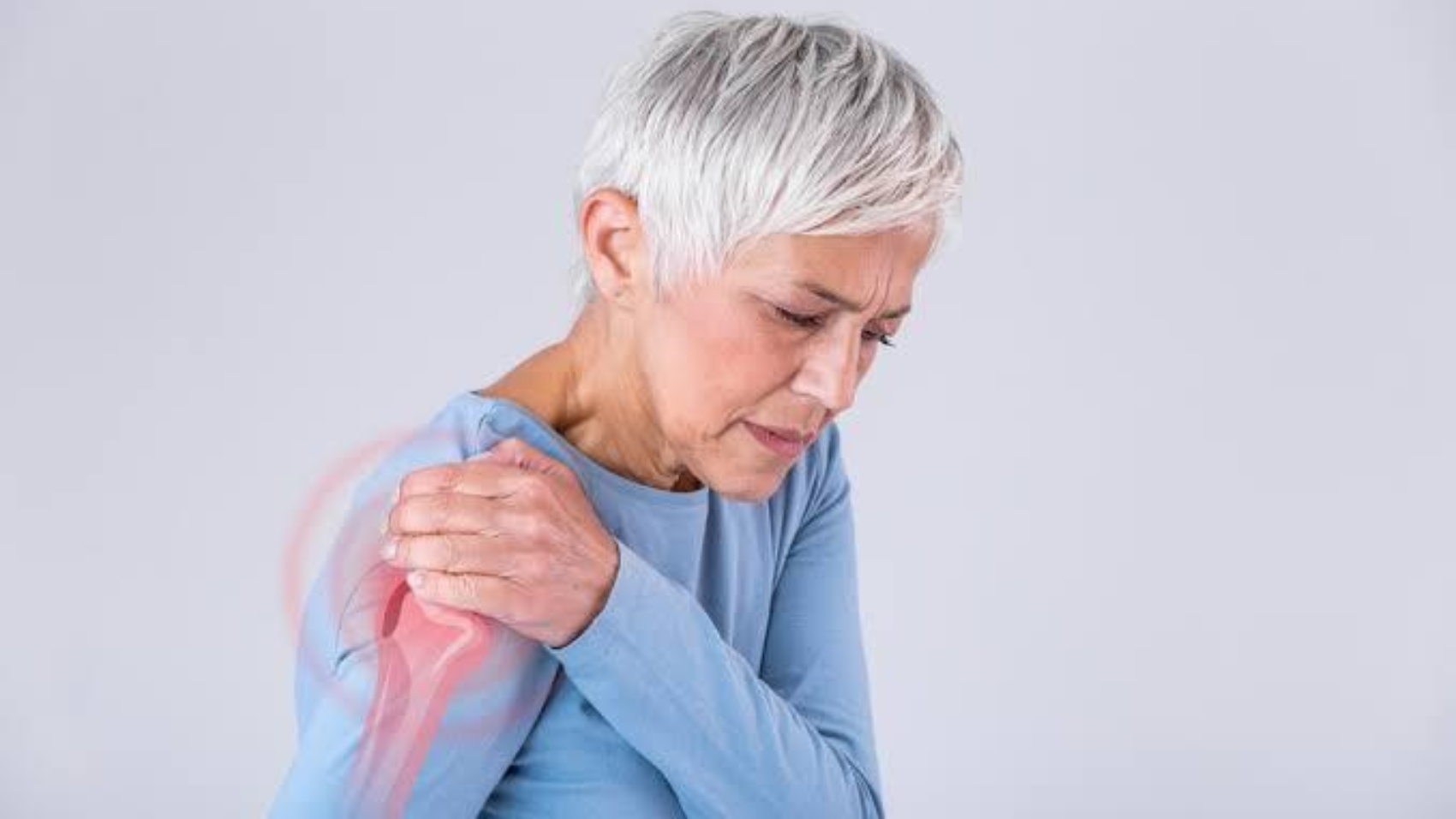
As we age, muscles naturally become tighter and connective tissues lose elasticity. This can make everyday activities such as bending, reaching, and climbing stairs more difficult. Reduced flexibility also places additional stress on the joints, increasing the risk of pain and inflammation.

Regular stretching can help maintain healthy muscles and joints. Gentle activities such as yoga, tai chi, and guided stretching routines improve mobility while supporting posture and balance. These exercises can also reduce muscle tension that contributes to neck, shoulder, and lower back pain.

Flexibility should always be improved gradually. Stretching should never be painful, and individuals with existing orthopedic conditions should follow recommendations from their healthcare provider.

At CWOPS, flexibility exercises are often included as part of a comprehensive rehabilitation program. Improving mobility not only reduces pain but also helps patients perform daily activities with greater confidence and comfort.

images (77)

Why You Shouldn’t Ignore Pain That Comes and Goes

Many people assume that pain only needs medical attention when it becomes severe. However, pain that comes and goes can be an early warning sign of an underlying orthopedic or spine condition. Ignoring these symptoms may allow the condition to worsen over time, making treatment more challenging.

Intermittent pain is often associated with inflammation, early arthritis, tendon injuries, or mild nerve compression. You may notice discomfort after physical activity, long periods of sitting, or first thing in the morning. Because the pain disappears temporarily, it’s easy to believe the problem has resolved when it hasn’t.

Another common reason for recurring pain is repetitive stress. Whether you work at a desk, perform physically demanding tasks, or participate in sports, repeated movements can gradually strain muscles, joints, and connective tissues. Without proper treatment, minor irritation can develop into chronic pain.

Seeking an evaluation early allows healthcare providers to identify the root cause before permanent damage occurs. At CWOPS, we use comprehensive assessments to determine why pain keeps returning and develop personalized treatment plans that focus on long-term relief rather than temporary symptom management.

If you find yourself repeatedly reaching for pain medication or changing your daily routine because of recurring discomfort, it may be time to schedule an appointment. Early intervention often leads to better outcomes and helps patients stay active and independent.

images (67)

How Staying Active Helps Manage Chronic Pain

When you’re living with chronic pain, movement may be the last thing you want to do. However, avoiding physical activity can actually make pain worse over time.

Regular movement helps maintain muscle strength, joint flexibility, and healthy circulation. Exercise also stimulates the release of endorphins, the body’s natural pain-relieving chemicals, which can improve both physical comfort and emotional well-being.

Low-impact activities such as walking, swimming, stretching, and cycling are excellent options for many individuals with chronic pain. These exercises reduce stress on the joints while improving mobility and endurance.

Remaining inactive can lead to muscle weakness, joint stiffness, and decreased flexibility. Over time, these changes place additional stress on the body and may increase pain.

It’s important to remember that every patient is different. An exercise program should be based on your specific condition, physical abilities, and treatment goals.

At CWOPS, providers often combine physical activity with other treatment options such as physical therapy, pain management procedures, and patient education. This comprehensive approach helps patients regain confidence, improve movement, and enjoy a better quality of life.