Non-Surgical_Knee_Treatment_Options_for_Pain_Management-1024x400

Non-Surgical Treatment Options for Knee and Shoulder Pain Relief

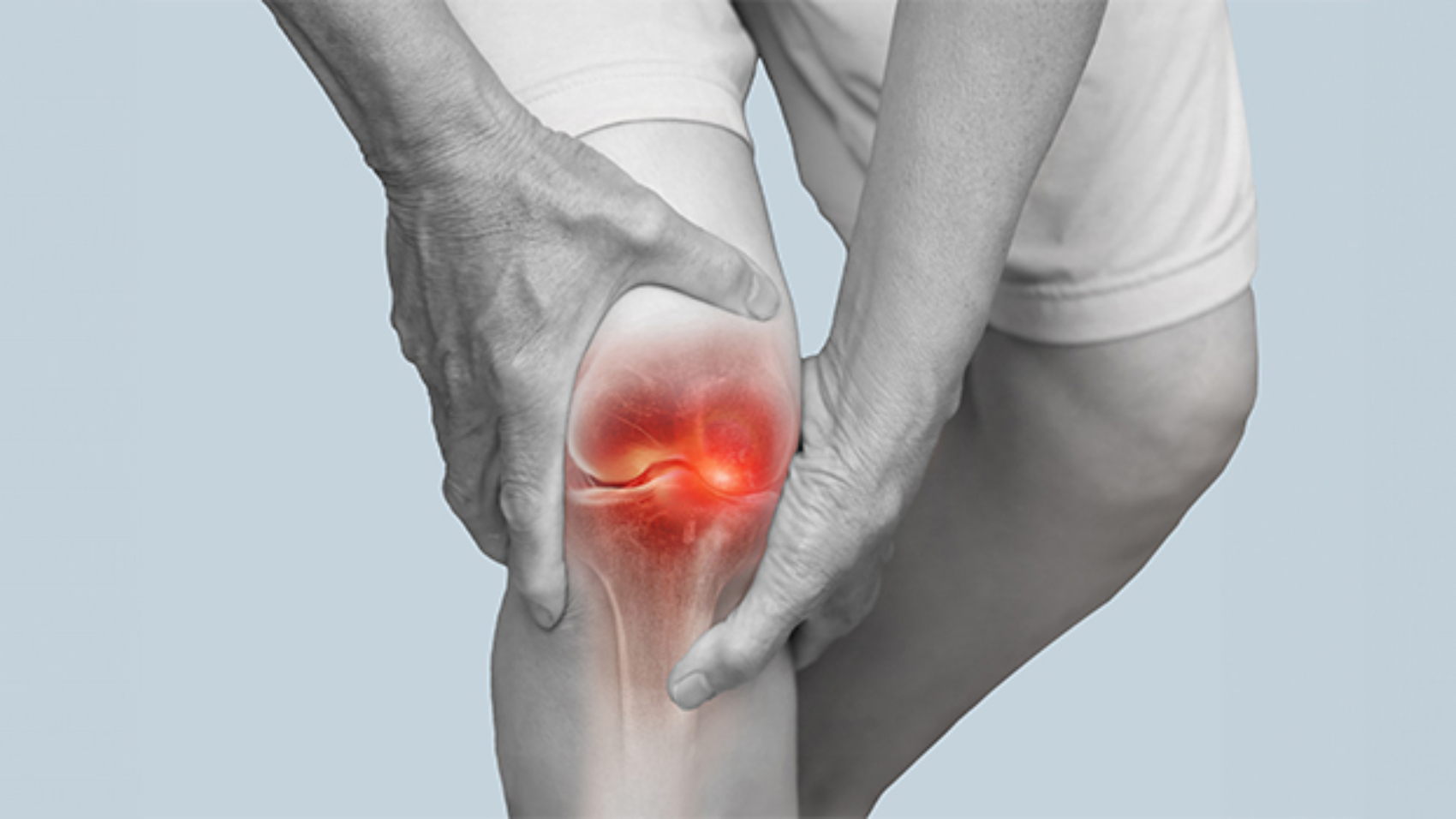
Not all knee and shoulder pain requires surgery. In fact, many patients experience significant relief through non-surgical treatments when the condition is properly diagnosed.

Physical therapy is often the first step. Strengthening the surrounding muscles helps reduce stress on the joint and improves mobility over time.

Anti-inflammatory treatments and medications can reduce swelling and pain, especially in early or moderate conditions.

For more persistent cases, minimally invasive procedures such as joint injections can provide targeted relief by reducing inflammation directly in the affected area.

Regenerative and advanced pain management techniques are also becoming more common, helping patients avoid surgery while restoring function.

The key is early evaluation. The sooner the correct treatment plan begins, the better the long-term outcome for joint health.

CPM-Feb-22-800x600

How Chronic Pain Affects Sleep and What You Can Do About It

Chronic pain and sleep problems often go hand in hand. When pain levels stay high, the body struggles to relax, making it difficult to fall asleep or stay asleep throughout the night.

Poor sleep also increases pain sensitivity. This creates a cycle where pain disrupts sleep and poor sleep makes pain feel worse the next day.

Common causes include inflammation, nerve irritation, and muscle tension that become more noticeable at night when the body is still.

Simple changes can help break this cycle. Gentle stretching before bed, maintaining a consistent sleep schedule, and avoiding long periods of inactivity during the day can improve sleep quality.

In some cases, medical treatments such as pain management therapy or targeted injections may be needed to reduce nighttime discomfort.

Improving sleep is not just about rest, it is an important part of pain recovery.

I think I should pay the physiotherapist a visit

Spine Health Warning Signs You Should Never Ignore

Your spine often gives early warning signs before serious problems develop. Ignoring these signals can lead to worsening pain or long-term complications.

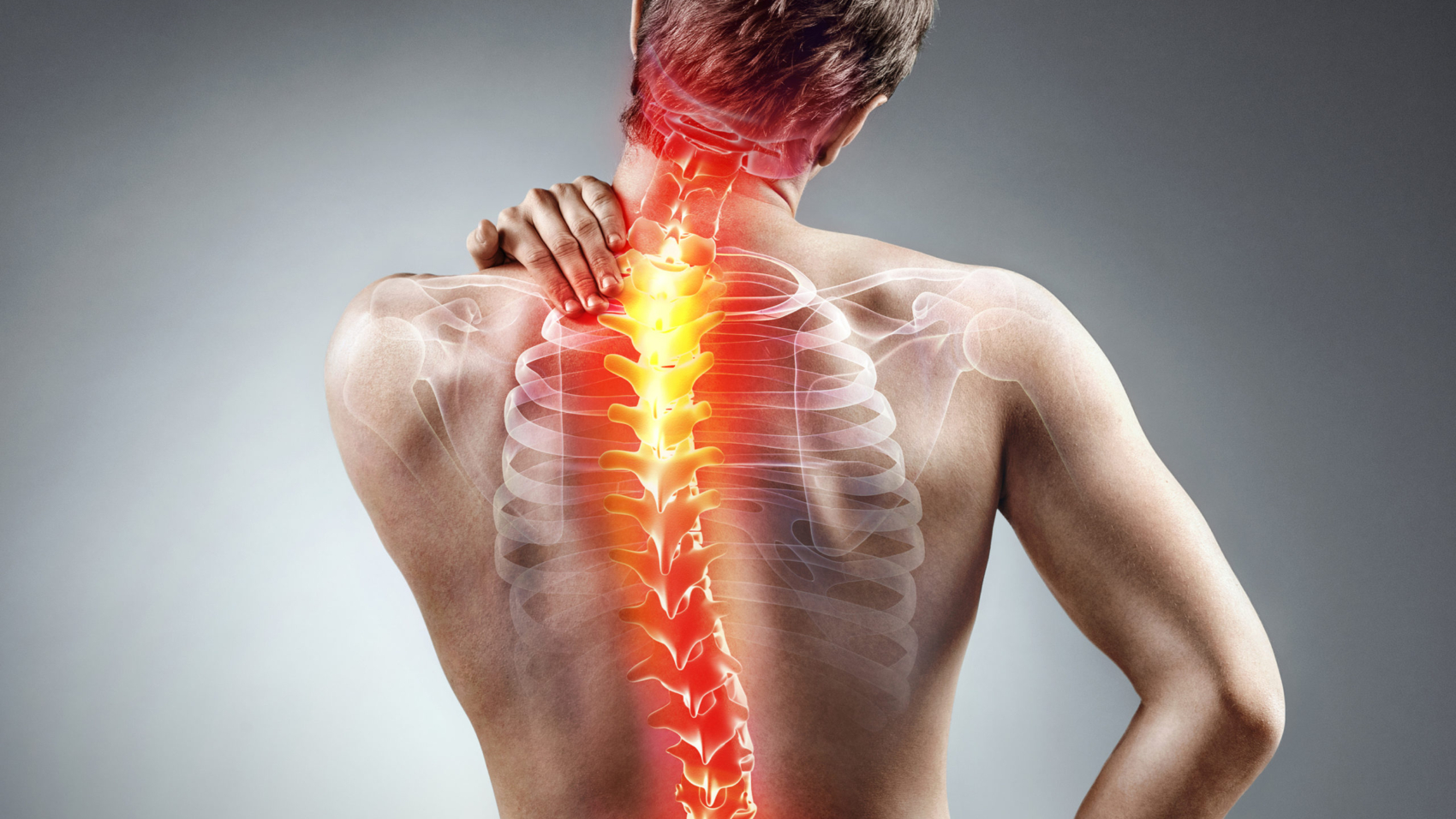
One major warning sign is persistent back or neck pain lasting more than a few weeks. Pain that does not improve with rest may indicate deeper spinal issues.

Numbness, tingling, or weakness in the arms or legs is another serious sign. This may suggest nerve compression in the spine, which requires medical evaluation.

Loss of balance or coordination can also be linked to spinal conditions, especially in the neck region.

Pain that travels down the leg or arm, often described as “shooting pain,” may indicate sciatica or nerve irritation.

At CWOPS, early diagnosis is a key part of preventing long-term damage. Many spinal conditions respond well to non-surgical treatments when detected early.

treatment-options-for-joint-pain-and-arthritis-charleston

Hidden Causes of Joint Pain That Have Nothing to Do With Aging

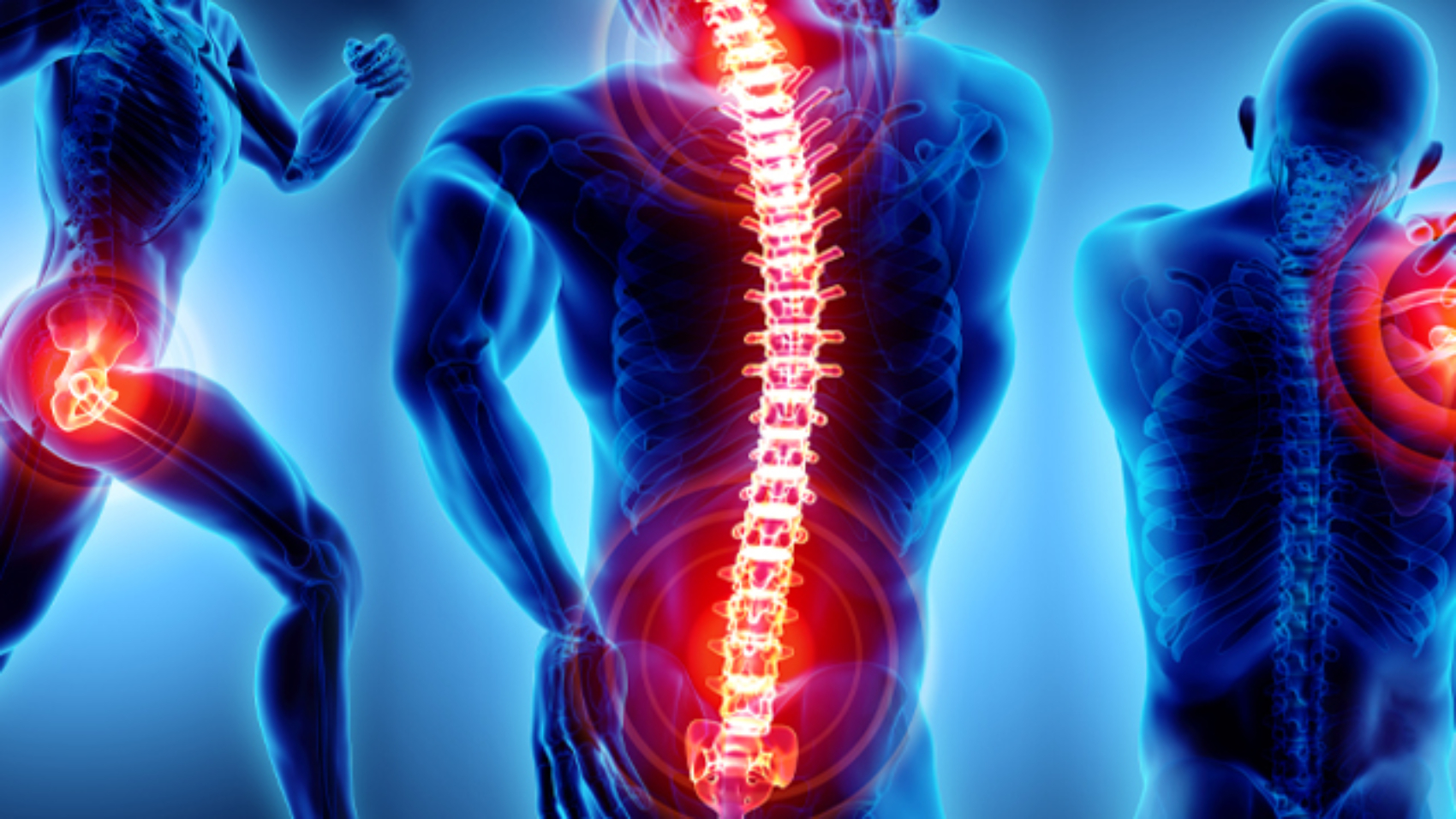
Many people assume joint pain is just a normal part of aging, but that is not always true. In many cases, joint pain is caused by underlying issues that can be treated effectively.

Inflammation is one of the most overlooked causes. Conditions such as repetitive strain, old injuries, or autoimmune responses can trigger ongoing joint discomfort even in younger patients.

Another hidden cause is muscle imbalance. When certain muscles are weak, joints take extra pressure, leading to pain in knees, shoulders, and hips. Over time, this can feel like “wear and tear” even when the joint itself is not severely damaged.

Nerve-related pain can also mimic joint problems. A pinched nerve in the spine may cause pain that travels to the shoulder, arm, or leg, making it seem like a joint issue when it is actually spinal in origin.

The good news is that most of these causes can be managed with targeted treatment plans, including therapy, injections, and movement-based rehabilitation.

Young man holding his neck in pain. Medical concept.

Why Your Back Pain Keeps Coming Back and What Most Treatments Miss

Back pain is one of the most common reasons people visit a clinic, yet many patients notice the same problem returning again and again even after treatment. The reason is often simple: most treatments focus only on reducing pain, not fixing the root cause.

Back pain can come from multiple sources such as muscle strain, disc problems, nerve irritation, or poor posture habits developed over time. When only symptoms are treated, the underlying issue remains active, which is why the pain returns.

At CWOPS, we focus on identifying the actual source of pain through proper evaluation and imaging when needed. Many patients also benefit from combining physical therapy, posture correction, and minimally invasive procedures that target the exact pain generator.

Another common missing factor is lifestyle. Weak core muscles, long sitting hours, and lack of movement can continuously stress the spine even after temporary relief.

Long term improvement usually requires a combination of treatment and behavior changes. That is the difference between short relief and lasting recovery.

Radiofrequency-Ablation_-A-Minimally-Invasive-Solution-for-Chronic-Pain-1

How Long Does RFA Last for Back Pain: Expert Pain Relief at CFW Las Vegas & Henderson

The morning commute down I-15 shouldn’t feel like a battle. But for many Las Vegas workers, every pothole and sudden stop sends a sharp reminder that their back pain isn’t going away on its own. If you’ve already tried injections and physical therapy, you may be asking how long does RFA last for back pain before considering the procedure yourself.

At CFW (Center for Wellness & Pain Care), Dr. Neville Campbell, M.D./M.B.A., helps patients across Clark County find lasting relief without surgery. Radiofrequency ablation has become one of the most reliable tools for longer-term back pain control.

Our approach is evidence-based and personalized to your specific pain pattern. You don’t have to live with chronic back pain that limits your work, your hobbies, or your sleep.


What Is RFA for Back Pain? A Plain-English Guide for Nevada Patients

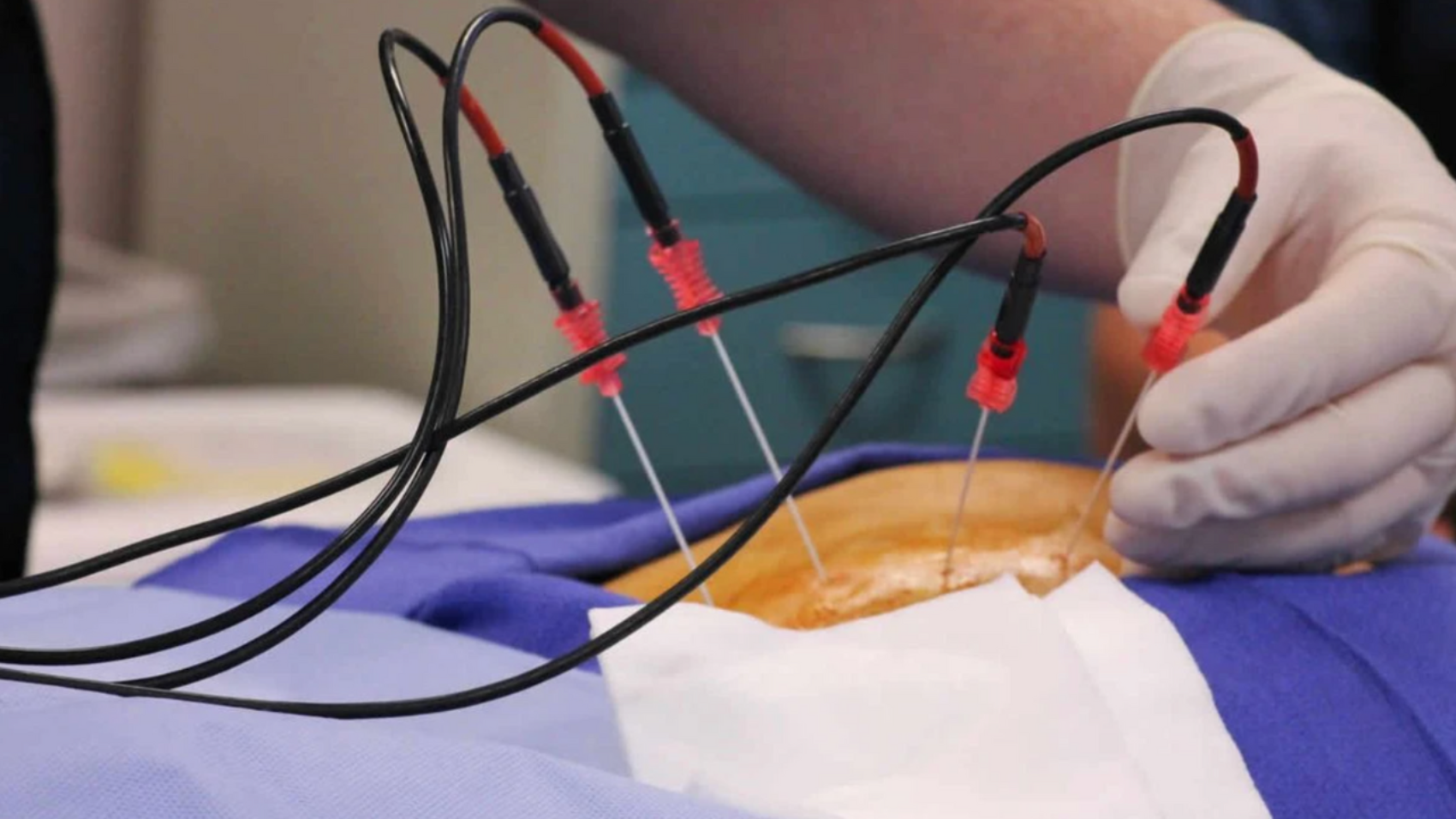
Radiofrequency ablation, or RFA, is a minimally invasive procedure that uses heat to interrupt the nerves carrying pain signals from your spine to your brain. Think of it like muting a faulty alarm, the source of irritation is still there, but the constant signal gets quieted down.

Back pain treated with RFA often comes from the small facet joints along the spine. These joints wear down over years of heavy lifting on Strip construction sites, jarring auto accidents on US-95, or simply the natural aging that comes with an active retirement spent hiking Red Rock. When pain medication and injections only offer short bursts of relief, RFA targets the problem nerves directly, offering a longer window of comfort for many patients.


5–7 Signs You Need Treatment for Back Pain Suited to RFA

Not everyone with back pain is a candidate for radiofrequency ablation. These signs may suggest it’s worth a conversation with our team:

Pain that returns after steroid injections wear off, relief that fades within weeks rather than months.
Aching that flares after stop-and-go traffic on the 215 near Green Valley during your daily drive home.
Stiffness that worsens with standing during a long shift on a Summerlin job site.
Pain that limits twisting or bending, making it hard to load tools or lift groceries near Centennial Hills.
Chronic lower back pain lasting more than three months despite conservative care.
Discomfort that interrupts sleep, leaving you exhausted before the workday even starts.
Pain that travels into the buttocks or upper legs after a whiplash injury from a Spring Valley fender-bender.

If several of these sound familiar, RFA may help extend your relief beyond what injections alone provide.


How CFW Treats Back Pain (Non-Surgical Focus)

CFW offers a full range of non-surgical options so your treatment fits your body and your goals. We rarely rely on a single tool. Instead, we build a personalized plan that may combine several of the following:

Epidural Steroid Injections — reducing inflammation around irritated spinal nerves for short-term relief.
Radiofrequency Ablation (RFA) — blocking pain signals from the facet joints, often providing the longest-lasting non-surgical relief.
Stem Cell Therapy / Regenerative Medicine — promoting healing in damaged tissue and joints.
Spinal Cord Stimulation (SCS) — masking chronic pain signals for those who haven’t responded to other treatments.
Medication Management — a safe, closely monitored approach to keep you comfortable and functional.
Physical Therapy Referral — rebuilding strength and mobility to protect your spine long-term.

So how long does RFA last for back pain? Many patients report relief lasting six months to two years, though results vary. Nerves can regenerate over time, and when pain returns, the procedure can often be repeated safely.


Why Las Vegas & Henderson Patients Trust CFW for Back Pain Relief

Dr. Campbell brings both an M.D. and an M.B.A. to his practice, blending clinical expertise with efficient, patient-focused care. That combination means you spend less time waiting and more time getting better.

We accept a wide range of coverage, including Medicare, Aetna, UnitedHealthcare, Anthem BCBS, and Nevada Medicaid. Nevada is a self-referral state, so you don’t need permission from your primary care doctor to book with us. That matters when pain is interfering with your life right now.

As one patient shared: “Charles Garrido is amazing. So caring and warm. He really listens and that makes all the difference!” — Faith Sedgwick (Cimarron location).

We restore mobility, not just manage symptoms.


Meet Dr. Neville Campbell: The Physician Behind CFW

Dr. Neville Campbell, M.D./M.B.A., leads CFW with a clear mission: to relieve chronic pain and restore health, comfort, and quality of life for every patient who walks through the door.

A respected leader in interventional pain management, Dr. Campbell has built a practice grounded in compassion and collaboration. He works alongside a dedicated team of nurse practitioners and clinical staff who treat patients like family. The goal is always the same, help you return to the work, hobbies, and people you love, using the least invasive approach possible.


Frequently Asked Questions About RFA for Back Pain

How long does RFA last for back pain?
Many patients experience relief lasting six months to two years. Because treated nerves can slowly regenerate, results vary from person to person. When pain returns, the procedure can typically be repeated.

Can back pain be managed without surgery?
Yes. RFA and other interventional treatments are designed to relieve pain without surgery. Most CFW patients improve through a personalized non-surgical plan.

Does CFW accept my insurance for RFA treatment?
We accept Medicare, Nevada Medicaid, Aetna, Cigna, UnitedHealthcare, Anthem BCBS, and more. Our team verifies your benefits before treatment so there are no surprises.

How quickly can I get an appointment in Las Vegas or Henderson?
We often offer same-day or next-day appointments, especially for auto accident and workers’ compensation patients. Call us to find the soonest opening.

Do I need a referral from my primary care doctor?
No. Nevada is a self-referral state, so you can schedule directly with CFW without a referral from another physician.

How long does each treatment session take?
Most RFA procedures take about 30 to 60 minutes. You can usually return home the same day with minimal downtime.

Do you treat auto accidents–related back pain with liens/LOA?
Yes. We work with attorneys and accept auto liens (LOA) so you can get care now and handle billing later.

Do you accept Nevada workers’ compensation for back pain?
Yes. We treat many workers’ compensation patients and handle the paperwork directly, so you can focus on recovery.

shutterstock_1601549962_b9959120c0ebcf2ddd6d9f6dcd0d5df2_2000

How to Find a Good Pain Management Doctor: Expert Pain Relief at CFW Las Vegas & Henderson

You finish a long shift on a Strip jobsite, and your lower back won’t quit. The drive home on I-15 makes it worse with every brake light. You’ve been told to “rest it,” but weeks pass and nothing changes. At some point, the question shifts from will this go away to how do I find a good pain management doctor who actually listens?

That search matters. The right physician can mean the difference between guessing and a real plan. At CFW (Center for Wellness & Pain Care), Dr. Neville Campbell, M.D./M.B.A., leads a team focused on non-surgical, evidence-based relief across Las Vegas and Henderson. Knowing how to find a good pain management doctor starts with understanding what separates skilled, patient-centered care from a quick prescription. You don’t have to live with the pain.


What Does “Finding a Good Pain Management Doctor” Really Mean? A Plain-English Guide for Nevada Patients

Finding a good pain management doctor means more than picking the closest clinic. It means choosing a specialist trained in interventional techniques, someone who diagnoses the source of your pain instead of masking it.

Think of it like fixing a leaky roof. A bad contractor sets out buckets to catch the drips. A good one finds the crack and seals it. A skilled pain physician looks for the root cause, whether that’s a herniated disc from a US-95 rear-end collision, years of construction wear, or arthritis creeping in after 60.

A good doctor explains your options, respects your goals, and offers treatments matched to your condition. They accept your insurance, communicate clearly, and build a personalized treatment plan rather than a one-size-fits-all script.


6 Signs You’ve Found a Good Pain Management Doctor

Not every clinic delivers the same standard of care. Here’s what to look for when you’re searching:

They listen before they prescribe. A good doctor asks how your pain flares, like whether it spikes after stop-and-go traffic on the 215 near Henderson, before recommending anything.

They’re board-trained in interventional techniques. Look for expertise in injections, ablation, and nerve procedures, not just medication.

They offer non-surgical options first. The right physician explores conservative care before pushing toward the operating room.

They accept your insurance and lien type. Whether you need an auto lien (LOA) after a crash on Charleston Blvd or workers’ comp coverage, a good clinic handles the paperwork.

They explain the plan in plain English. You should leave understanding your diagnosis and next steps.

They have a strong local reputation. Reviews from real Summerlin and Green Valley patients tell you how the team treats people.

No referral runaround. In Nevada, you can self-refer, so a good clinic gets you in without unnecessary hurdles.


How CFW Helps You Find Relief (Non-Surgical Focus)

Once you’ve found a good pain management doctor, the next question is treatment. At CFW, Dr. Campbell’s team offers a range of non-surgical, evidence-based options tailored to each patient:

Epidural Steroid Injections — These deliver anti-inflammatory medication directly to the irritated nerve, reducing inflammation and easing radiating pain.

Radiofrequency Ablation (RFA) — Using heat to interrupt specific nerves, RFA works by blocking pain signals before they reach the brain.

Stem Cell Therapy / Regenerative Medicine — This approach focuses on promoting healing in damaged joints and tissues using the body’s own repair processes.

Spinal Cord Stimulation (SCS) — A small device helps by masking chronic pain signals, often a strong option for nerve-related discomfort.

Medication Management — A safe, monitored approach that adjusts medications carefully to manage chronic pain without overreliance.

Physical Therapy Referral — Guided therapy rebuilds strength and mobility, helping you return to work, hiking Red Rock, or chasing grandkids.

Each plan is personalized. What works for an auto accident victim with whiplash may differ from what helps an active retiree with spinal stenosis.


Why Las Vegas & Henderson Patients Trust CFW When Choosing a Pain Management Doctor

Dr. Neville Campbell brings a rare combination to the exam room: an M.D. paired with an M.B.A. That means clinical expertise and a focus on efficient, well-run care that respects your time.

CFW accepts a wide range of coverage, including Medicare, Aetna, Cigna, UnitedHealthcare, and Nevada workers’ compensation. For accident victims, the team works with auto liens (LOA), so treatment can start without upfront costs. And because Nevada honors self-referral rights, you don’t need permission from your primary care doctor to book.


Meet Dr. Neville Campbell: The Physician Behind CFW

Dr. Neville Campbell, M.D./M.B.A., leads CFW with a clear mission: to relieve chronic pain and restore health, comfort, and quality of life for every patient who walks through the door.

A respected leader in interventional pain management, Dr. Campbell blends medical precision with practical, patient-first care. His approach centers on understanding each person’s story before building a treatment plan.

Under his direction, CFW fosters a compassionate, collaborative team environment where nurse practitioners, therapists, and staff work together. When you’re learning how to find a good pain management doctor, that team-based culture is exactly what sets a trustworthy clinic apart.


Real Patients, Real Results

The best way to judge a pain clinic is through the people it serves. Here’s what two CFW patients had to say:

“Charles Garrido is amazing. So caring and warm. He really listens and that makes all the difference!” — Faith Sedgwick (Cimarron location)

“I see Doctor Angeline Lim. Every time I go, I get the best service and smile from receptionist Zack. They treat me like family.” — Ruby Anaya (Pecos/Henderson location)

These experiences reflect a consistent commitment to warmth and quality. CFW maintains a 4.7-star rating across 481+ Google reviews, a signal that real Clark County patients trust the care they receive.


Frequently Asked Questions About Finding a Good Pain Management Doctor

Can pain be managed without surgery once I find a good pain management doctor?

Yes. Many patients find relief through non-surgical options like injections, radiofrequency ablation, and physical therapy. A good doctor explores these conservative treatments before considering any surgical referral.

Does CFW accept my insurance?

CFW accepts many plans, including Medicare, Nevada Medicaid, Aetna, Cigna, UnitedHealthcare, and Anthem BCBS. The team also works with workers’ compensation and auto liens, so most patients are covered.

How quickly can I get an appointment in Las Vegas or Henderson?

CFW often offers same-day appointments for auto accident and workers’ compensation patients. Calling early in the week typically gives you the most scheduling flexibility across both locations.

Do I need a referral from my primary care doctor?

No. Nevada is a self-referral state, so you can book directly with CFW without waiting on a referral. This helps you start care sooner.

What results can I expect from treatment at CFW?

Results vary by condition and individual, but many patients report reduced pain and improved mobility over time. Your physician will set realistic expectations during your personalized treatment plan.

How long does each treatment session take?

Most non-surgical procedures are quick, often completed in under an hour. Your care team will explain the timing for your specific treatment during your visit.

Do you treat auto accidents–related injuries with liens/LOA?

Yes. CFW works with auto liens (LOA) so accident victims can begin treatment without paying upfront. This is a common path for whiplash and herniated disc patients.

Do you accept Nevada workers’ compensation?

Yes. CFW accepts Nevada workers’ compensation, making it a strong option for construction and trades workers injured on the job.


277ec322-693a-4657-a114-dce9430fa152

Drug Test at Pain Management: What to Expect at CFW Las Vegas & Henderson

You finish a long shift on an I-15 jobsite, your back aching, and you head to your pain management appointment hoping for relief. Then the front desk hands you a cup. If you’ve ever wondered about the drug test at pain management and what to expect, you’re not alone. 

Many patients feel surprised or even worried by this step. The truth is simpler than it seems. At the Center for Wellness & Pain Care (CWPC), urine drug screening is a routine, judgment-free part of safe, evidence-based care. Led by Dr. Neville Campbell, M.D./M.B.A., our team uses these tests to protect you, not to catch you. We focus on non-surgical, personalized treatment that helps you manage chronic pain and restore mobility. You don’t have to live with the confusion around the drug test at pain management.

What Is a Drug Test at Pain Management? A Plain-English Guide for Nevada Patients

A drug test at pain management is usually a simple urine sample collected during your visit. It checks two things: whether the medications your doctor prescribed are present in your system, and whether any unexpected substances show up. Think of it like a car’s dashboard warning light. It doesn’t accuse the driver of anything. It simply tells the mechanic what’s happening under the hood so they can keep things running safely.

For Nevada patients managing pain from auto accidents on US-95, construction injuries, or age-related wear from years on the golf course, opioid and controlled-substance prescriptions carry real risks. Drug screening helps your physician adjust doses, confirm the treatment plan is working, and meet state and federal monitoring rules. It’s standard practice at reputable clinics across Clark County.

5–7 Signs You’ll Encounter a Drug Test at Pain Management

Not every visit includes a screening, but certain situations make one likely. Here’s what tends to trigger a drug test at pain management:

  • Your first visit as a new patient. A baseline screen is common before any controlled medication is prescribed, even if you’re driving in from Summerlin for an old back injury.
  • You’re prescribed opioids or other controlled substances. Ongoing therapy usually means periodic testing throughout your treatment.
  • A random check during long-term care. Don’t be surprised if you’re asked unexpectedly, even months into a stable plan near Green Valley.
  • Signs of a changing condition. If your pain pattern shifts after a fender-bender on the 215, your doctor may retest to reassess.
  • Dose adjustments. Any time medication changes, a screen confirms your body is responding as expected.
  • Workers’ comp or auto-lien cases. Insurers and Nevada law often require documentation for these claims.
  • Returning after a gap in care. A retiree resuming treatment in Anthem may need an updated baseline.

How CWPC Handles a Drug Test at Pain Management (Non-Surgical Focus)

Screening is one piece of a larger, treatment-focused plan. Once your results help us understand your situation, we build a personalized approach using proven, non-surgical options:

  1. Epidural Steroid Injections — These reduce inflammation around irritated nerves, easing radiating back and leg pain.
  2. Radiofrequency Ablation (RFA) — By blocking specific pain signals, RFA can offer lasting relief for joint and spine pain.
  3. Stem Cell Therapy / Regenerative Medicine — These treatments support your body’s natural healing in damaged tissue.
  4. Spinal Cord Stimulation (SCS) — A small device helps mask chronic pain signals before they reach the brain.
  5. Medication Management — This is where drug screening fits in. We monitor prescriptions carefully for a safe, balanced approach.
  6. Physical Therapy Referral — Targeted exercise rebuilds strength and mobility so you depend less on medication over time.

The goal is always the same: improve quality of life through care to you, not a one-size-fits-all script.

Why Las Vegas & Henderson Patients Trust CWPC for Pain Management

Dr. Neville Campbell brings both an M.D. and an M.B.A., pairing strong clinical skill with care that runs efficiently and respects your time. That combination matters when you’re juggling work, recovery, and insurance paperwork.

We accept a wide range of coverage, including Medicare, Aetna, UnitedHealthcare, Anthem BCBS, and HPN, plus workers’ compensation and auto liens. And because Nevada honors self-referral rights, you don’t need a referral from your primary doctor to get started.

Meet Dr. Neville Campbell: The Physician Behind CWPC

Dr. Neville Campbell, M.D./M.B.A., leads CWPC with a clear mission: to relieve chronic pain and restore health, comfort, and quality of life. A respected leader in interventional pain management, he has built a practice grounded in both medical precision and genuine compassion.

Under his direction, CWPC operates as a collaborative, team-centered environment where every patient is treated as a whole person. From the front desk to the exam room, the focus stays on listening, understanding, and creating treatment plans that fit each individual’s life and goals across Las Vegas and Henderson.

Frequently Asked Questions About a Drug Test at Pain Management

  1. Why is a drug test at pain management required?

Screening confirms prescribed medications are working as intended and checks for unexpected substances. It helps your doctor keep treatment safe and adjust your plan when needed. It’s a routine safety step, not a judgment.

  1. Does CWPC accept my insurance for pain management treatment?

We accept Medicare, Nevada Medicaid, Aetna, Cigna, UnitedHealthcare, Anthem BCBS, HPN, and more. We also handle workers’ compensation and auto liens. Call us to confirm your specific plan.

  1. How quickly can I get an appointment in Las Vegas or Henderson?

Same-day appointments are often available, especially for auto accident and workers’ compensation patients. Call (702) 476-9700 to check current availability at either location.

  1. Do I need a referral from my primary care doctor?

No. Nevada is a self-referral state, so you can schedule directly with CWPC without a referral. This saves you time and gets care started sooner.

  1. What should I expect from the drug test at pain management itself?

It’s typically a quick, private urine sample given during your visit. Results help guide your medication plan. Many patients find it far simpler than they expected.

  1. How long does each treatment session take?

Most visits and procedures take under an hour, though times vary by treatment. Your care team will give you a clear estimate when scheduling.

  1. Do you treat auto accidents–related pain with liens/LOA?

Yes. We work with auto liens and letters of protection for patients injured in collisions on roads like the 215 or Flamingo Road. Ask us how this works for your case.

  1. Do you accept Nevada workers’ compensation?

Yes. We regularly treat workers’ comp patients, including trades and construction workers with job-related injuries. We handle the required documentation directly.

Orthopedic-Specialists-Total-Orthopaedic-Care-in-Pembroke-Pines-FL

Pain Management vs Orthopedic Doctor: Expert Pain Relief at CFW Las Vegas & Henderson

After a long shift framing houses out near Summerlin, your lower back locks up before you even reach the truck. The drive home on US-95 turns into a slow, aching crawl. You know you need help. But who do you call? That question, pain management vs orthopedic doctor, stops a lot of Nevadans in their tracks. Both treat pain. They go about it differently. Understanding the difference helps you pick the right path the first time, instead of bouncing between offices for months.

At CWPC (Center for Wellness & Pain Care), Dr. Neville Campbell, M.D./M.B.A., leads a team focused on non-surgical, evidence-based relief. The goal is simple: improve your quality of life and restore mobility without rushing you toward the operating room. You don’t have to live with the confusion around pain management vs orthopedic doctor, or the pain itself.

What Is the Difference Between a Pain Management vs Orthopedic Doctor? A Plain-English Guide for Nevada Patients

Think of it like fixing a leaky roof. An orthopedic surgeon is the contractor who replaces the damaged section, they specialize in the bones, joints, and surgical repair of structural problems. A pain management physician is the specialist who stops the water damage from spreading and keeps the house livable while you decide what’s next.

Orthopedic doctors often focus on surgery: joint replacements, fracture repair, torn ligaments. Pain management focuses on interventional, non-surgical treatments that target the source of chronic pain directly.

Many Nevada patients land in pain after a rear-end collision on I-15, years of construction work, age-related wear, or a weekend hike at Red Rock that ended badly. For these folks, the question of pain management vs orthopedic doctor usually tilts toward pain management first, because surgery isn’t always necessary, and conservative care often comes first for a reason.

5–7 Signs You Should Consider Pain Management Over an Orthopedic Doctor

Not sure which direction fits your situation? These signs point toward interventional pain management:

  • Pain that lingers past 12 weeks even though imaging shows no clear surgical emergency, common after that fender-bender on the 215 near Henderson.
  • Sharp flares after stop-and-go traffic on Eastern Avenue that no amount of stretching seems to settle.
  • You want to avoid surgery or have already been told you’re not a surgical candidate.
  • Failed back or joint surgery that left you hurting, a frustrating reality for some active retirees in Green Valley.
  • Nerve pain, numbness, or tingling that shoots down a leg or arm after heavy lifting on a Strip jobsite.
  • You’ve maxed out over-the-counter options and want a monitored, professional plan.
  • Arthritis or spinal stenosis making your morning walk through Anthem harder than it used to be.

If several of these sound familiar, a pain management consultation is a sensible starting point.

How CWPC Treats Pain (Non-Surgical Focus)

This is where the pain management vs orthopedic doctor distinction really shows. Instead of leading with surgery, CWPC offers targeted, interventional treatments built around your specific diagnosis. Here are six core options:

  1. Epidural Steroid Injections — Deliver anti-inflammatory medication near irritated nerves to calm swelling and reduce pain.
  2. Radiofrequency Ablation (RFA) — Uses heat to interrupt pain signals from specific nerves, offering longer-lasting relief.
  3. Stem Cell Therapy / Regenerative Medicine — Aims to support the body’s natural healing in damaged joints and tissue.
  4. Spinal Cord Stimulation (SCS) — A small device helps mask chronic pain signals before they reach the brain.
  5. Medication Management — A safe, carefully monitored approach to keep pain controlled without guesswork.
  6. Physical Therapy Referral — Builds strength and mobility so progress holds over time.

Each treatment fits into a personalized treatment plan. The aim is to manage chronic pain and get you back to daily life, not to push a one-size-fits-all fix.

Why Las Vegas & Henderson Patients Trust CWPC for Pain Care

Dr. Campbell’s M.D./M.B.A. background means you get both strong clinical care and a practice that runs efficiently, less waiting, more focus on you. That matters when you’re hurting and need answers fast.

CWPC works with a wide range of coverage, including Workers’ Compensation, Medicare, Aetna, UnitedHealthcare, and Anthem BCBS. And here’s something many patients don’t realize: in Nevada, you have self-referral rights. You don’t need your primary care doctor’s permission to see a pain specialist.

Meet Dr. Neville Campbell: The Physician Behind CWPC

Dr. Neville Campbell, M.D./M.B.A., brings a rare combination to interventional pain management: deep clinical expertise paired with a sharp sense of how to deliver care efficiently and compassionately.

His mission is straightforward, to relieve chronic pain and restore health, comfort, and quality of life for every patient who walks through the door. As a leader in the field, he’s built a collaborative team environment where each patient’s plan is tailored, not templated. The result is care that feels personal, backed by genuine medical authority and a commitment to doing right by the people of Clark County.

Frequently Asked Questions About Pain Management vs Orthopedic Doctor

  1. Can pain be managed without seeing an orthopedic surgeon?

Yes, in many cases. Interventional pain management offers non-surgical options like injections and nerve treatments. Many patients find meaningful relief without ever needing surgery.

  1. Does CWPC accept my insurance for pain management vs orthopedic doctor care?

CWPC accepts most major plans, including Medicare, Nevada Medicaid, Aetna, Cigna, UnitedHealthcare, and Anthem BCBS. Workers’ comp and auto liens are also accepted.

  1. How quickly can I get an appointment in Las Vegas or Henderson?

Appointments are often available quickly, with same-day options frequently open for auto accident and workers’ compensation patients. Call (702) 476-9700 to check current availability.

  1. Do I need a referral from my primary care doctor?

No. Nevada is a self-referral state, so you can book directly with CWPC without waiting on a referral from another physician.

  1. What results can I expect from pain management treatment at CWPC?

Results vary by condition and individual. Many patients report reduced pain and improved mobility through a personalized treatment plan focused on evidence-based relief.

  1. How long does each treatment session take?

Most interventional procedures are quick, often completed within 30 to 60 minutes. Your specific timing depends on the treatment your provider recommends.

  1. Do you treat auto accidents–related pain with liens/LOA?

Yes. CWPC works with auto accident patients using liens and Letters of Protection (LOA), so you can get care while your case is pending.

  1. Do you accept Nevada workers’ compensation?

Yes. CWPC accepts Nevada workers’ compensation, making it a practical choice for trades and construction workers injured on the job.

Serving All of Clark County: CWPC Locations

CWPC keeps care close to home with two locations covering the Las Vegas valley.

Henderson: Serving Green Valley, Anthem, Seven Hills, and Lake Las Vegas, with easy access off Stephanie Street.

Las Vegas: Serving Summerlin, Centennial Hills, Spring Valley, Paradise, Downtown, and the Cimarron area.

Getting to us is simple from anywhere in the valley, with quick connections via I-15, US-95, and the 215 Beltway. Wherever you are in Clark County, evidence-based pain relief is a short drive away.


pmc_cover_pain_targets

What Do Pain Management Doctors Do: Expert Pain Relief at CFW Las Vegas & Henderson

Picture finishing a 10-hour shift on a Strip construction site, lifting drywall and rebar all day, only to feel the low back pain sharpen with every step toward your truck. Or maybe a rear-end collision on I-15 last month left you with neck stiffness that hasn’t faded. Pain like that changes how you sleep, how you work, how you show up for the people who count on you.

So what do pain management doctors do for people in your shoes? They diagnose the source of your pain, build a treatment plan around your daily life, and use targeted procedures to bring relief without rushing you toward surgery. At the Center for Wellness & Pain Care (CWPC), Dr. Neville Campbell, M.D./M.B.A. leads that work across Las Vegas and Henderson. You don’t have to keep guessing at solutions on your own.

What Do Pain Management Doctors Do? A Plain-English Guide for Nevada Patients

A pain management doctor is a physician trained to evaluate, diagnose, and treat acute and chronic pain using non-surgical, interventional techniques. Think of it this way: an orthopedic surgeon repairs broken structures, while a pain management physician restores function when structures aren’t broken enough for surgery — or when surgery isn’t the right answer yet.

These specialists handle pain that lingers after auto collisions on I-15 and US-95, repeated strain from Las Vegas construction and warehouse work, and age-related wear that catches up with active retirees hiking Red Rock or playing 18 holes in Summerlin. Common causes include herniated discs, sciatica, spinal stenosis, joint arthritis, post-surgical pain, and nerve damage.

Their toolkit goes well beyond pills. Pain management doctors use precision injections, nerve ablation, regenerative medicine, spinal cord stimulation, and coordinated medication management. The goal isn’t to mask pain forever. It’s to find what’s driving the pain and quiet that signal so you can move, work, and sleep again.

7 Signs You Need to See a Pain Management Doctor

Many patients wait too long to ask what pain management doctors do, hoping the pain will fade on its own. These signs suggest it’s time to make the call:

  • Pain that lasts longer than three months. A fender-bender on the 215 last spring shouldn’t still be flaring your shoulder today.
  • Sharp, shooting pain down a leg or arm. Common after lifting injuries on Strip jobsites or warehouse shifts off Sunset Road — often nerve compression.
  • Stiffness that worsens after long drives. If commuting on US-95 from Centennial Hills leaves you locked up, your spine may be the source.
  • Numbness or tingling in hands or feet. A red flag for nerve involvement that needs evaluation, not another bottle of ibuprofen.
  • Pain that disrupts sleep. Waking up multiple times because of back or neck pain affects healing, mood, and recovery.
  • Difficulty doing what you used to enjoy. Skipping golf in Anthem, avoiding grandkids in Green Valley, dreading the morning walk — pain is changing your life.
  • Pain medications are no longer working. When tolerance climbs and relief drops, it’s time for a different approach.

Construction workers, auto accident patients, and active retirees often share one thing in common: they push through pain until it controls them. A pain management consultation can change that path.

How CWPC’s Pain Management Doctors Treat Chronic Pain (Non-Surgical Focus)

What do pain management doctors do once they’ve pinpointed the source of your pain? At CWPC, treatment is built around evidence-based, non-surgical interventions matched to your specific diagnosis. Dr. Campbell and the clinical team draw from a full range of advanced procedures:

  1. Epidural Steroid Injections — Delivered precisely to the inflamed nerve root, these injections calm swelling around herniated discs and spinal stenosis. Many patients feel meaningful relief within days, improving their ability to walk, sit, and work.
  1. Radiofrequency Ablation (RFA) — Using heat to interrupt pain signals from specific nerves, RFA is highly effective for facet joint arthritis and chronic neck or low back pain. Relief can last six months to two years.
  1. Stem Cell Therapy / Regenerative Medicine — These treatments use the body’s own healing mechanisms to support repair of damaged joints, tendons, and discs. A practical option for patients who want to delay or avoid joint surgery.
  1. Spinal Cord Stimulation (SCS) — For patients with failed back surgery syndrome or stubborn neuropathic pain, SCS uses a small implanted device to mask pain signals before they reach the brain.
  1. Medication Management — Safe, monitored prescribing built around the lowest effective dose. CWPC follows Nevada prescribing guidelines and avoids reliance on long-term opioids whenever possible.
  1. Physical Therapy Referral — Strength, flexibility, and posture matter. CWPC coordinates with trusted PT providers across Clark County so your treatment plan addresses the whole picture, not just the pain spot.

Every plan is personalized. The same diagnosis can call for very different treatment paths.

Why Las Vegas & Henderson Patients Trust CWPC’s Pain Management Doctors

Choosing a pain specialist is personal. Patients across Clark County come to CWPC for several reasons.

Dr. Neville Campbell brings both an M.D. and an M.B.A., a rare combination in interventional pain care. The clinical expertise sets the standard for treatment. The business background keeps the practice running efficiently — meaning shorter waits, clearer billing, and a smoother experience from first call to follow-up.

Insurance coverage is broad. CWPC accepts Medicare, Nevada Medicaid, Aetna, Cigna, UnitedHealthcare, Anthem BCBS, HPN, and Prominence. The clinic also handles Nevada Workers’ Compensation claims and accepts auto accident liens (LOA) — so patients hurt on a jobsite or in a 215 collision can begin treatment without out-of-pocket cost upfront.

Nevada law allows patients to self-refer to specialists. No primary care gatekeeping required at CWPC. If you know you need pain care, you can book directly.

One patient from the Cimarron location shared:

“Charles Garrido is amazing. So caring and warm. He really listens and that makes all the difference!” — Faith Sedgwick

That’s the bar the team aims for at every visit. Personalized attention, real listening, treatment that respects your time and your goals. CWPC’s promise is simple: we restore mobility — not just manage symptoms. Patients in Summerlin, Spring Valley, Henderson, and beyond keep coming back because the work shows up in their daily life.

Meet Dr. Neville Campbell: The Physician Behind CWPC

Dr. Neville Campbell, M.D./M.B.A., founded CWPC with a clear mission: relieve chronic pain and restore health, comfort, and quality of life for every patient who walks through the door. He is a recognized leader in interventional pain management across the Las Vegas valley.

His approach blends clinical precision with genuine listening. Patients describe him as direct, knowledgeable, and unhurried — qualities that matter when pain has shaped your life for months or years. Dr. Campbell built CWPC as a collaborative team environment, where nurse practitioners, medical assistants, and front-desk staff all share the same patient-first standard.

The result is care that feels personal at every step. Whether you’re a Boulder Highway warehouse worker, a retiree in Sun City Anthem, or a young professional dealing with post-accident neck pain, you’re treated as a person — not a chart number.

Frequently Asked Questions About What Pain Management Doctors Do

  1. Can chronic pain be managed without surgery at CWPC?

Yes. The majority of conditions treated by pain management doctors at CWPC respond to non-surgical, interventional procedures like injections, RFA, and regenerative medicine. Surgery is rarely the first step, and many patients avoid it entirely with a well-built treatment plan.

  1. Does CWPC accept my insurance for pain management treatment?

CWPC accepts most major insurances, including Medicare, Nevada Medicaid, Aetna, Cigna, UnitedHealthcare, Anthem BCBS, HPN, and Prominence. Workers’ Compensation and auto accident liens (LOA) are also accepted. Call (702) 476-9700 to verify your specific plan.

  1. How quickly can I get a pain management appointment in Las Vegas or Henderson? New patients are often seen within a few business days. Same-day or next-day appointments are frequently available for auto accident and workers’ compensation cases. Call early in the day for the fastest scheduling.
  2. Do I need a referral from my primary care doctor?

No referral needed. Nevada allows patients to self-refer to specialists, including pain management physicians. You can call CWPC directly to schedule a consultation without going through your primary care provider first.

  1. What results can I expect from pain management treatment at CWPC?

Results vary by diagnosis and procedure chosen, but many patients report meaningful reductions in pain and improved daily function within weeks. The goal is restored mobility and quality of life — not just symptom masking.

  1. How long does each treatment session take?

Most appointments run 30 to 60 minutes. Interventional procedures like epidural injections or RFA usually take 15 to 30 minutes of actual procedure time, plus brief recovery monitoring. Plan for about an hour total.

  1. Do you treat auto accidents–related pain with liens or LOA?

Yes. CWPC works regularly with personal injury attorneys and accepts letters of protection (LOA) for patients injured in auto accidents. You can begin treatment without upfront costs while your case is pending.

  1. Do you accept Nevada workers’ compensation?

Yes. CWPC is an established provider for Nevada Workers’ Compensation claims. Injured workers from construction sites, warehouses, hospitality jobs, and other industries can begin care quickly with their claim in good standing.

Related Conditions We Treat at CWPC

Pain management doctors at CWPC treat a wide range of conditions affecting the spine, joints, and nervous system. Whether your pain started after an auto collision, a workplace injury, or simply years of wear and tear, the team builds care around your specific diagnosis. Here are the conditions seen most often at the Las Vegas and Henderson offices:

  • Herniated Discs
  • Sciatica
  • Spinal Stenosis
  • Facet Joint Syndrome
  • Neuropathy
  • Rotator Cuff Tears
  • Whiplash
  • Chronic Migraines
  • Failed Back Surgery Syndrome
  • Osteoarthritis
  • Knee Pain
  • Shoulder Pain