Screenshot 2026-06-28 053723

Signs It’s Time to See a Pain Specialist

Many people live with chronic pain for months or even years before seeking professional care. Unfortunately, waiting too long can make treatment more difficult.

You should consider seeing a pain specialist if your pain lasts longer than three months, interferes with work or sleep, limits your mobility, or does not improve with over-the-counter medications.

Pain specialists evaluate complex conditions involving the spine, joints, muscles, and nerves. They can identify underlying causes that may not be obvious and recommend advanced treatment options tailored to each patient’s needs.

Depending on the diagnosis, treatment may include medication management, physical therapy, minimally invasive procedures, regenerative medicine options, or lifestyle recommendations.

At CWOPS, our experienced team is dedicated to helping patients find lasting relief through personalized, evidence-based care. Our goal is to reduce pain, improve function, and help every patient return to the activities they enjoy most.


shutterstock_1177541623

How Physical Therapy Supports Recovery from Orthopedic Injuries

Recovering from an orthopedic injury requires more than simply allowing time to heal. Physical therapy plays a vital role in restoring movement, rebuilding strength, and preventing future injuries.

Whether recovering from a sports injury, surgery, or chronic joint pain, physical therapy focuses on improving flexibility, balance, muscle strength, and overall function.

A licensed therapist develops a personalized exercise program based on your specific condition and recovery goals. As strength improves, exercises gradually become more advanced to help patients safely return to their daily activities.

Physical therapy can also reduce pain by improving joint mechanics, correcting movement patterns, and increasing circulation to injured tissues.

At CWOPS, physical therapy is often incorporated into comprehensive treatment plans to help patients achieve lasting recovery without unnecessary surgery whenever possible.

bd388468-adc1-4ad9-ad00-f84e9f6f5b08

Healthy Habits That Can Help Protect Your Spine Every Day

Your spine supports nearly every movement you make. Developing healthy daily habits can reduce stress on your back and lower your risk of future pain.

Maintaining good posture is one of the most effective ways to protect your spine. Whether sitting at a desk or standing for long periods, keeping your shoulders relaxed and your spine aligned reduces unnecessary strain.

Regular exercise also plays a major role. Strengthening your core muscles provides additional support for your spine while improving balance and stability. Low-impact activities such as walking, swimming, and stretching can improve flexibility without placing excessive pressure on the back.

Proper lifting techniques are equally important. Always bend your knees instead of your waist and keep heavy objects close to your body.

At CWOPS, we believe prevention is just as important as treatment. Educating patients about healthy spine habits helps reduce the risk of future injuries and supports long-term wellness.

2796720

Understanding Pinched Nerves: Symptoms, Causes, and Treatment

A pinched nerve can cause more than just discomfort. It can interfere with work, sleep, exercise, and everyday activities. Recognizing the symptoms early can help prevent long-term nerve damage.

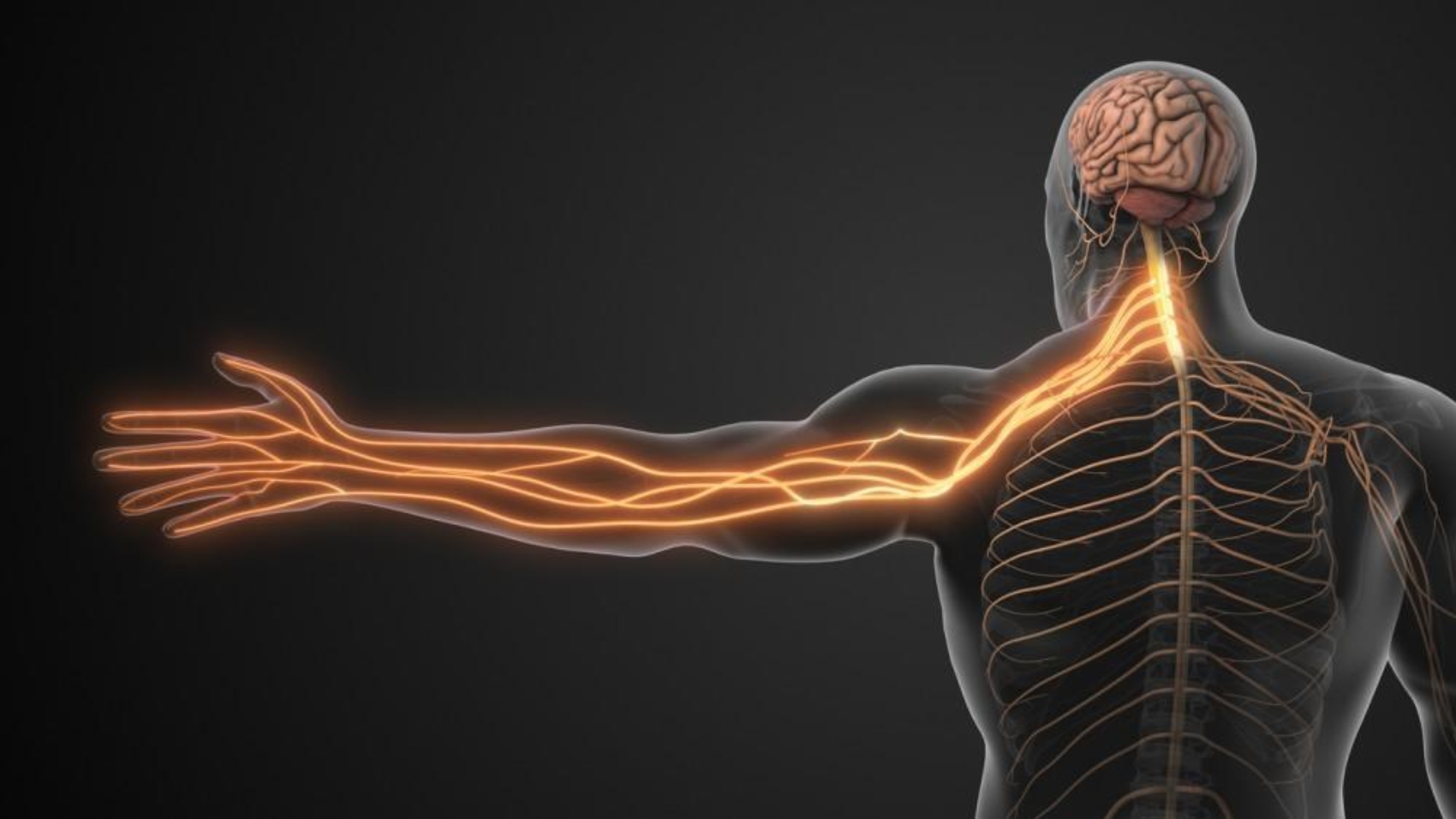
A pinched nerve occurs when surrounding tissues such as bones, muscles, or discs place excessive pressure on a nerve. Common symptoms include numbness, tingling, burning sensations, weakness, and pain that travels down an arm or leg.

Several conditions may lead to nerve compression, including herniated discs, arthritis, repetitive motions, poor posture, and spinal degeneration.

Treatment depends on the underlying cause and the severity of symptoms. Many patients improve with conservative care such as physical therapy, anti-inflammatory medications, and activity modifications. In some cases, image-guided injections or minimally invasive procedures may provide significant relief.

At CWOPS, we carefully evaluate each patient to determine the exact cause of nerve pain and create a personalized treatment plan focused on restoring function while reducing discomfort.

The-Best-Pain-Management-Treatment-in-Long-Beach-NY

Why Early Treatment for Joint Pain Can Make All the Difference

Joint pain is easy to dismiss. Many people assume it is simply part of getting older or the result of a busy day. While occasional soreness is common, pain that continues for days or weeks should never be ignored. Early treatment can prevent small issues from becoming chronic conditions that affect your daily life.

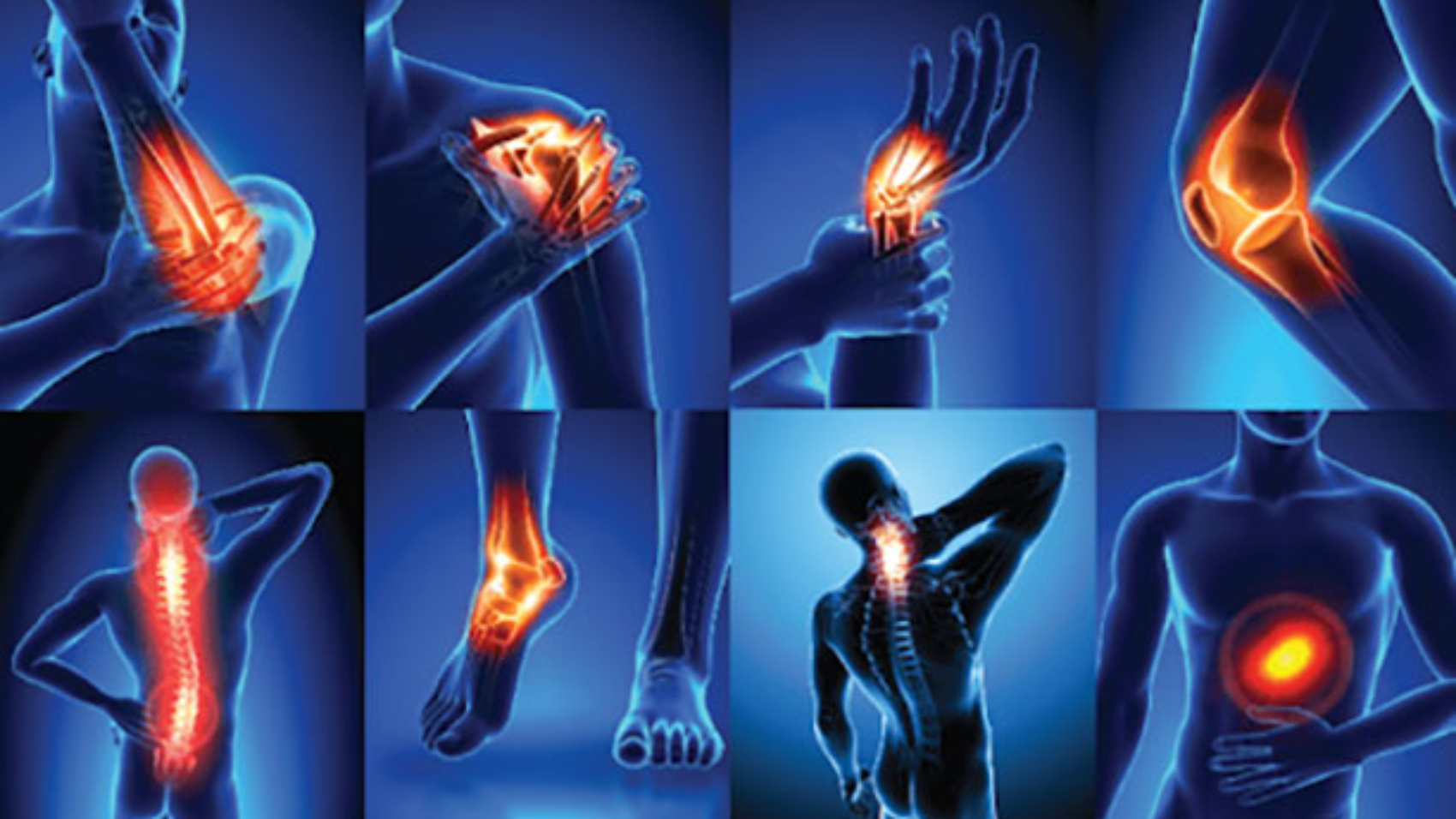
Joint pain may develop because of arthritis, tendon injuries, ligament damage, overuse, or inflammation. Without proper care, these problems can worsen over time, limiting mobility and making simple activities like climbing stairs or walking uncomfortable.

Seeking medical attention early allows healthcare providers to identify the source of the pain before significant damage occurs. A personalized treatment plan may include physical therapy, medication management, joint injections, or other non-surgical options designed to reduce pain and restore function.

At CWOPS, our goal is to help patients stay active by addressing joint pain before it becomes a long-term problem. Through comprehensive evaluations and individualized care, we work to improve movement and quality of life.

If your joint pain has not improved with rest or home remedies, it may be time to schedule an evaluation. Early care today can help you avoid more complex treatments tomorrow.

images (47)

When Back Pain Signals Something More Serious

Not all back pain is the same. While most cases are muscular, some symptoms may indicate a more serious condition.

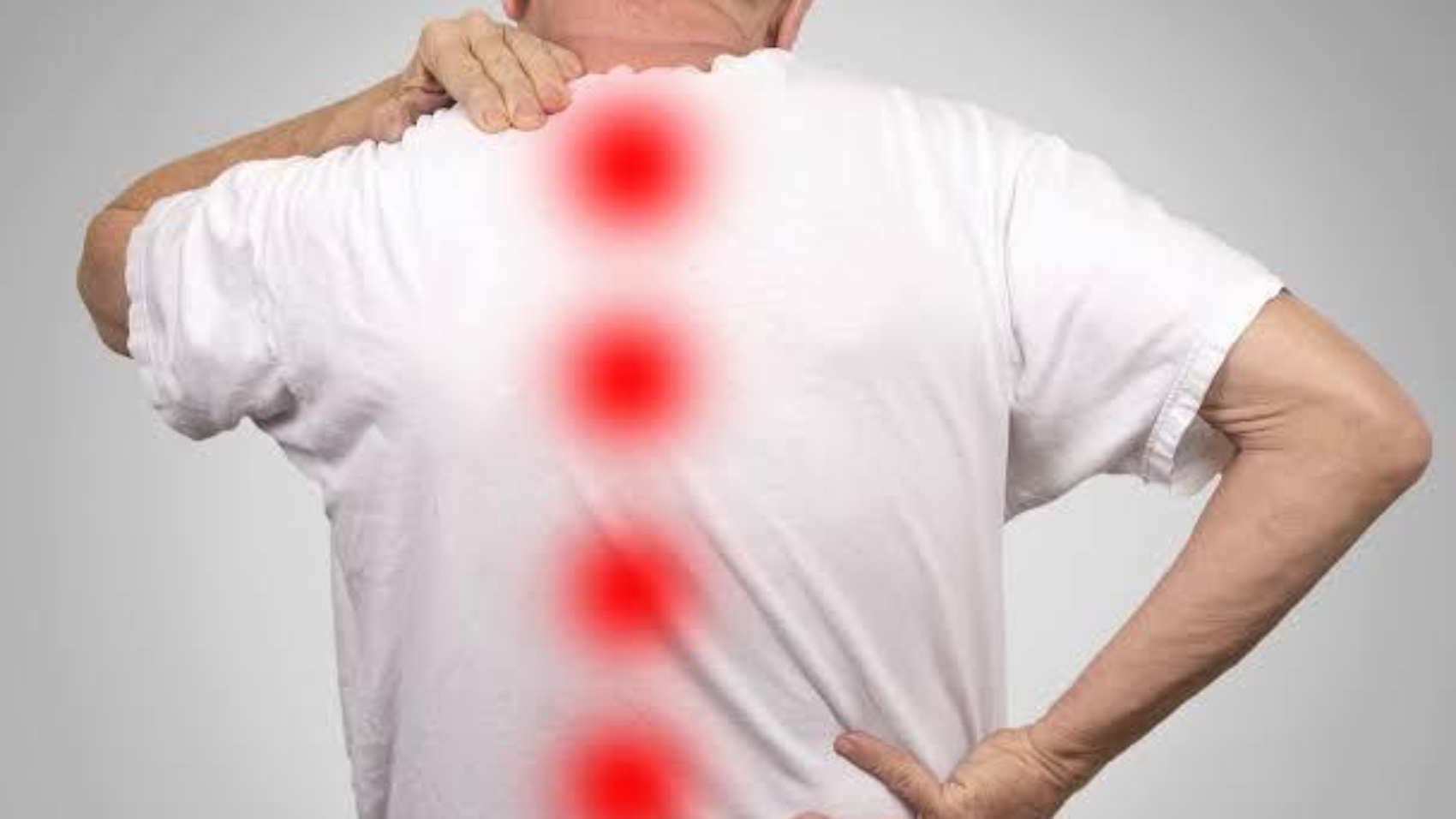
Warning signs include pain that lasts longer than a few weeks, pain that spreads to the legs, numbness, or weakness in the lower body.

These symptoms may suggest disc problems, spinal stenosis, or nerve compression.

In such cases, early diagnosis is very important. Delaying treatment can increase the risk of long-term nerve damage.

CWOPS focuses on early detection and personalized treatment plans that may include imaging, physical therapy, and minimally invasive procedures depending on the condition.

images (46)

Knee Pain in Young Adults: Why It’s Becoming More Common

Knee pain is no longer just an issue for older adults. More young people are experiencing knee problems due to lifestyle changes.

Long sitting hours, lack of exercise, sudden intense workouts, and sports injuries are major contributors. Weak thigh muscles and poor flexibility also increase stress on the knee joint.

In many cases, the pain is not caused by severe damage but by imbalance in muscle strength and improper movement patterns.

Early treatment can prevent long-term damage. Strength training, physiotherapy, and activity modification are often enough to restore normal function.

Ignoring early knee pain can lead to chronic issues that become harder to treat later in life.

images (45)

How Poor Posture Slowly Damages Your Spine

Poor posture does not cause immediate pain, which is why many people ignore it. However, over time it becomes one of the biggest causes of spinal problems.

Sitting with a curved back, forward head posture, or uneven weight distribution puts continuous stress on the spine. This leads to muscle fatigue, disc pressure, and joint strain.

Eventually, the body starts to adapt to this wrong posture, making correction more difficult and painful.

Common symptoms include back stiffness, shoulder tightness, and frequent headaches.

At CWOPS, posture-related spine issues are treated with a combination of physical therapy, strengthening exercises, and ergonomic correction strategies designed to retrain the body.

sciatic_pain_blog-1066x900

Why Sciatica Pain Becomes Worse Over Time

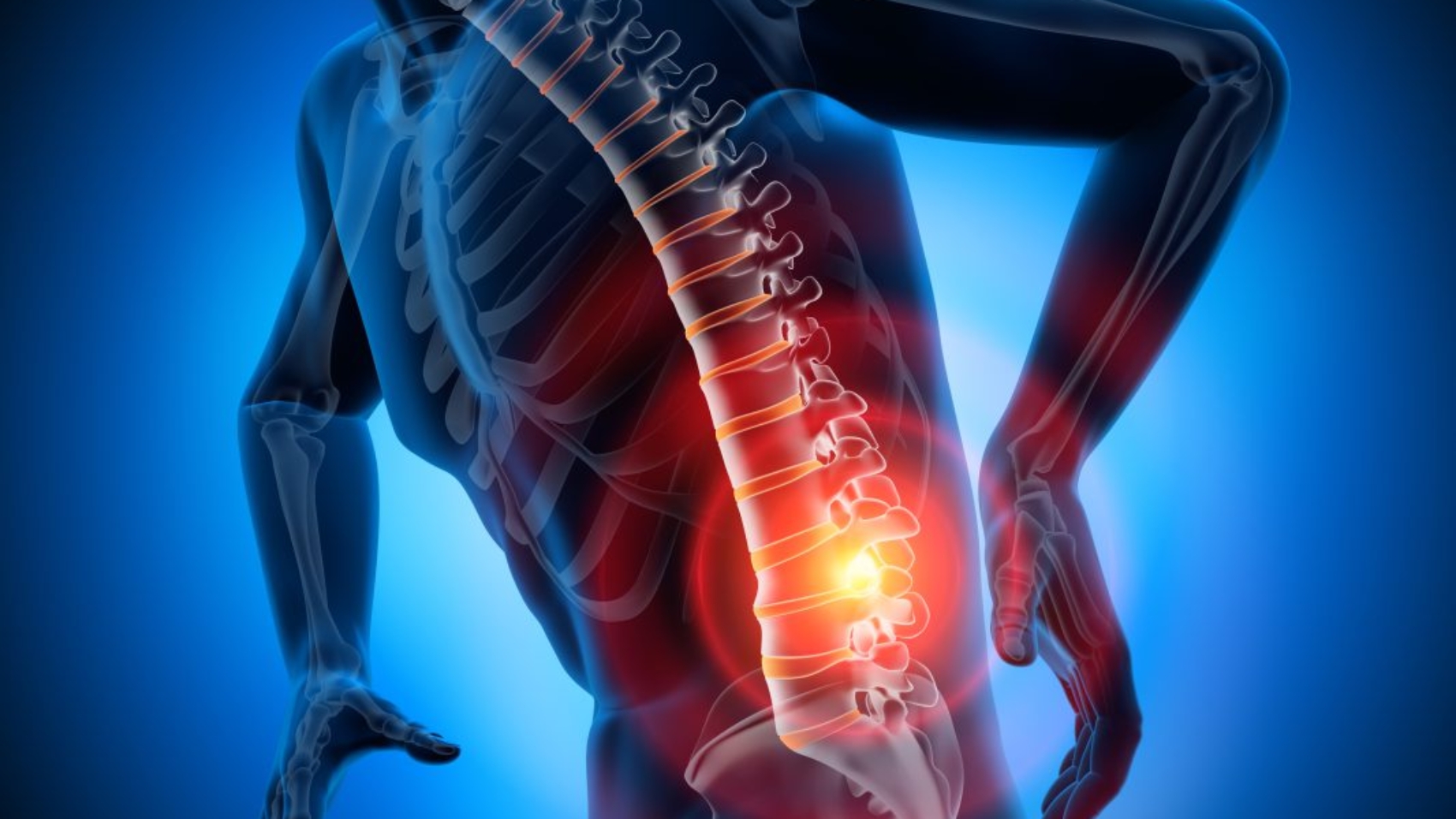
Sciatica is one of the most misunderstood types of pain. It starts when the sciatic nerve is irritated or compressed, usually in the lower back.

Many patients think sciatica will heal on its own, but without proper treatment, it often becomes worse over time. Sitting for long hours, lifting heavy objects incorrectly, and weak core muscles can all increase pressure on the nerve.

Symptoms include sharp pain down the leg, tingling, and sometimes numbness or weakness.

Treatment depends on the severity. Mild cases may improve with physiotherapy and exercise, while more severe cases may require injections or advanced pain management techniques.

Early treatment is important because prolonged nerve compression can lead to long-term discomfort and mobility issues.

images (44)

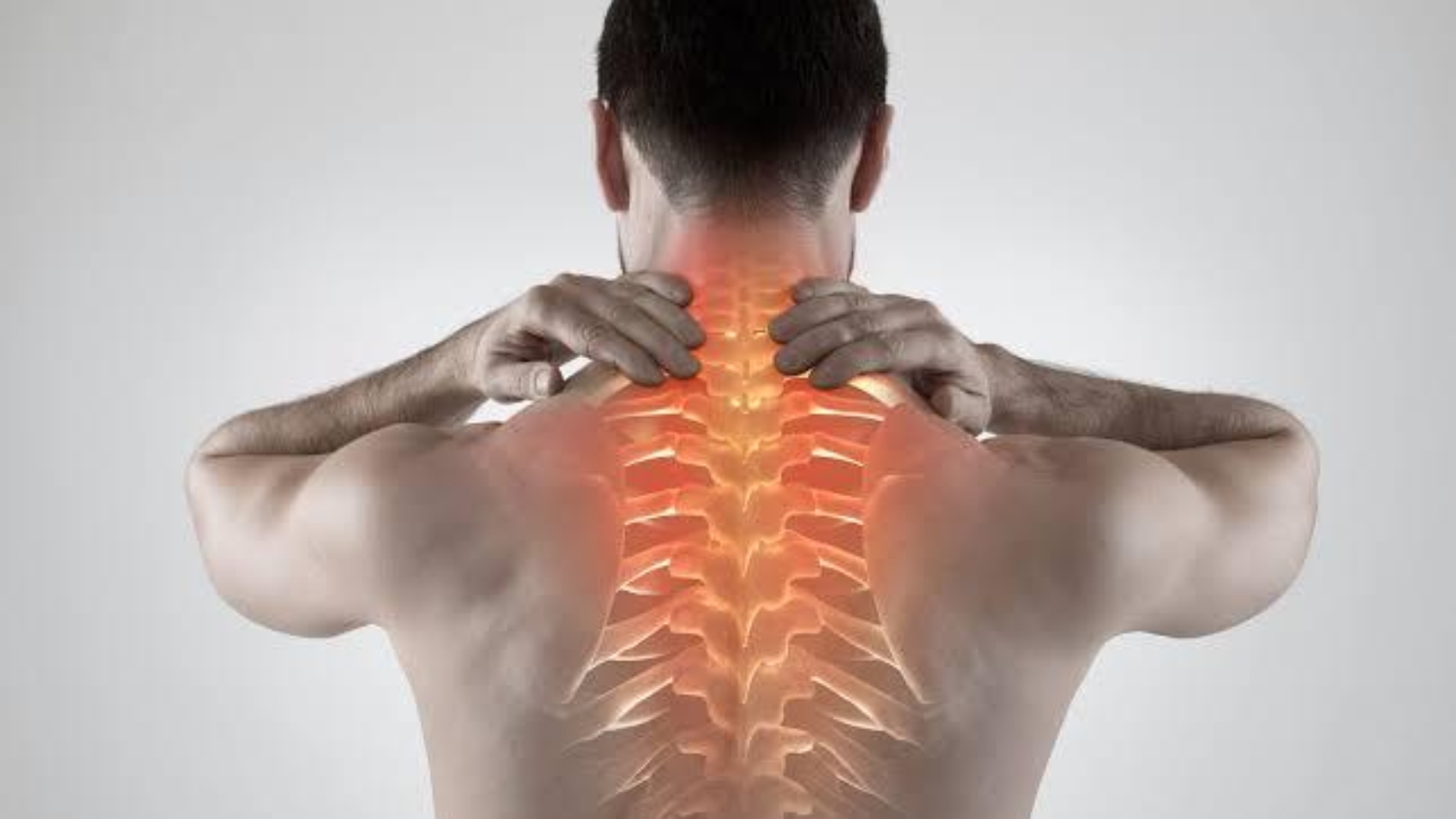
The Real Reason Your Neck Pain Isn’t Going Away

Neck pain is often treated as a simple muscle issue, but in many cases, it is more complex than that. People spend hours on phones, laptops, and poor seating positions, which slowly puts pressure on the cervical spine.

When neck pain keeps returning, it may be due to nerve compression, disc irritation, or long-term postural imbalance. Temporary relief methods like painkillers or massage only reduce symptoms for a short time.

A proper treatment approach involves identifying whether the pain is muscular or spinal. Imaging and physical evaluation help doctors understand the exact cause.

At CWOPS, treatment often includes posture correction, physical therapy, and targeted pain management techniques designed to provide lasting relief instead of short-term comfort.

Ignoring early neck pain can lead to stiffness, reduced movement, and even radiating pain into the shoulders and arms.