images - 2026-09-28T174041.398

Bone Stress Injuries: How Repetitive Activity Can Affect Your Bones

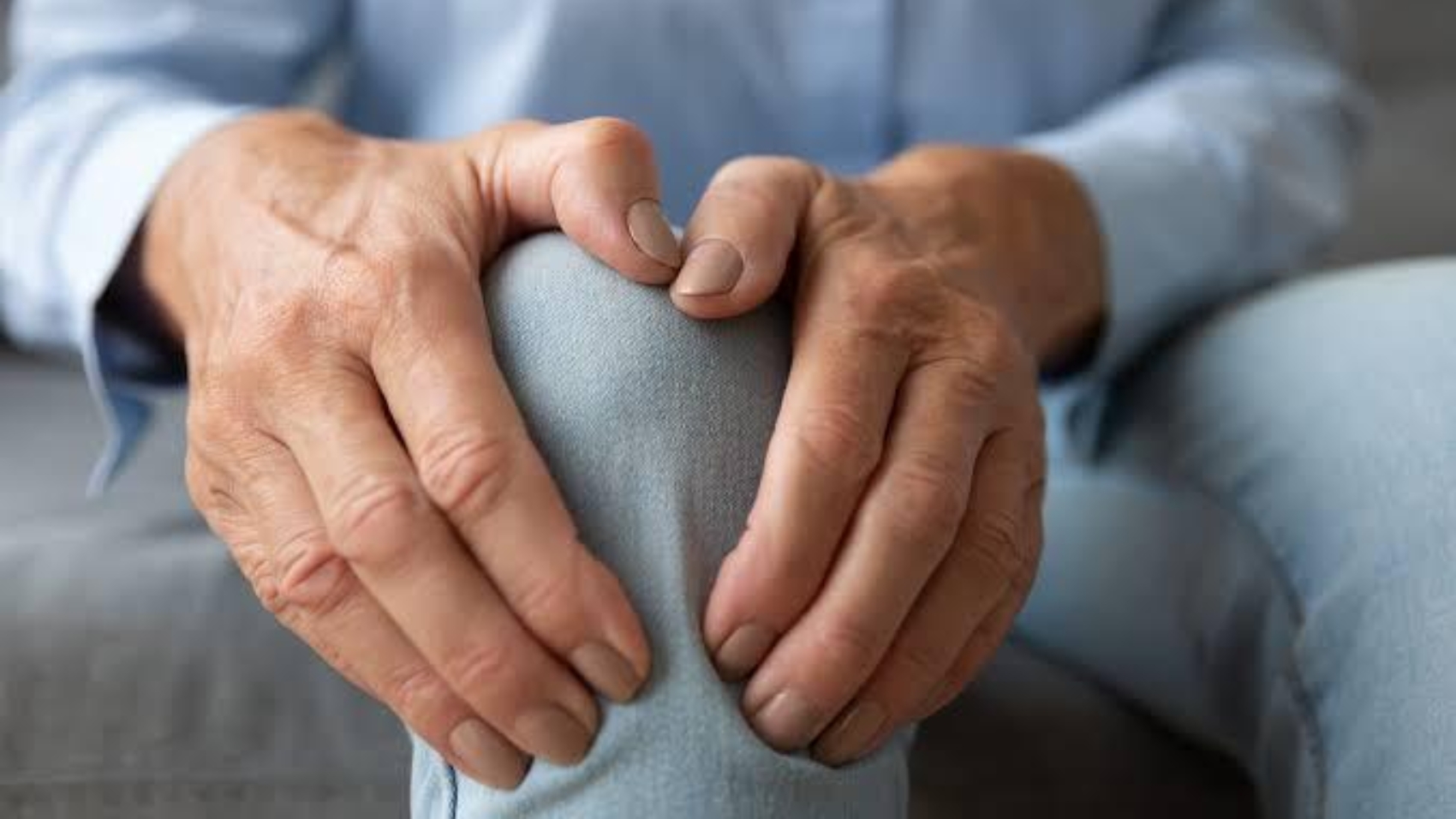
When people think about sports and exercise injuries, they often think about pulled muscles, sprained ligaments, or joint pain. But repetitive activity can also place stress on the bones.

A bone stress injury develops when repeated physical stress exceeds the body’s ability to repair and adapt. These injuries can range from early stress reactions to stress fractures.

Recognizing the warning signs can help active individuals avoid allowing a small problem to become a more significant injury.

What Is a Bone Stress Injury?

Bones are living tissues that constantly adapt to the physical demands placed on them.

With normal activity, the body has time to repair microscopic areas of stress. However, when repetitive loading increases faster than the body can recover, damage can accumulate.

This may lead to a bone stress injury.

A stress fracture is a more advanced type of bone stress injury involving a small crack in the bone.

Who Is at Risk?

Bone stress injuries can affect athletes and physically active people, but they are not limited to professional or competitive sports.

They may occur in people who:

  • Suddenly increase their activity level
  • Begin a new high-impact exercise program
  • Increase running distance too quickly
  • Repeatedly participate in impact-heavy activities
  • Change training surfaces or footwear
  • Do not allow adequate recovery between demanding activities

Changes in training should generally be introduced gradually to give the body time to adapt.

What Are the Warning Signs?

Pain is often the most noticeable symptom.

Unlike ordinary post-exercise soreness, pain from a bone stress injury may become more focused and persistent.

Possible warning signs include:

  • Pain in a specific area of a bone
  • Pain that increases with activity
  • Tenderness when pressing on a particular area
  • Pain that continues after exercise
  • Swelling in some cases
  • Pain that eventually occurs during normal daily activities

Continuing to repeatedly stress an injured area may make recovery more difficult.

How Are Bone Stress Injuries Diagnosed?

A healthcare provider may begin with a physical examination and review of your activity history.

Imaging may be recommended depending on the location and severity of symptoms. Some bone stress injuries may not be immediately visible on certain types of imaging, so the clinical history and examination remain important.

How Are They Treated?

Treatment depends on the location and severity of the injury.

It may involve:

  • Reducing or temporarily stopping aggravating activities
  • Switching to lower-impact activities
  • Gradually returning to exercise
  • Physical therapy
  • Addressing training or movement factors
  • Additional treatment when necessary

A gradual return to activity is often important because feeling better does not always mean the bone has completely recovered.

How Can You Reduce Your Risk?

You cannot prevent every sports injury, but sensible training habits can reduce unnecessary stress.

Consider:

  • Increasing activity gradually
  • Allowing adequate recovery
  • Using appropriate footwear
  • Varying high-impact activities when appropriate
  • Paying attention to persistent pain
  • Avoiding repeatedly training through significant pain

If a particular area repeatedly hurts during activity, it is worth finding out why rather than simply pushing through it.

Get Persistent Activity-Related Pain Evaluated

Being active is an important part of a healthy lifestyle, but persistent pain is a signal worth paying attention to.

At CWOPS, Center for Wellness Orthopedic, Pain & Spine, our team evaluates a variety of orthopedic and musculoskeletal conditions affecting active individuals.

If activity-related pain is not improving or is beginning to affect your everyday movement, contact CWOPS at (702) 476-9700 to discuss your symptoms and available care options.
images - 2026-09-28T173756.118

What Is Carpal Tunnel Syndrome and Why Does Your Hand Go Numb?

Numbness or tingling in the hand can be frustrating, especially when it starts interfering with work, sleep, driving, or everyday activities.

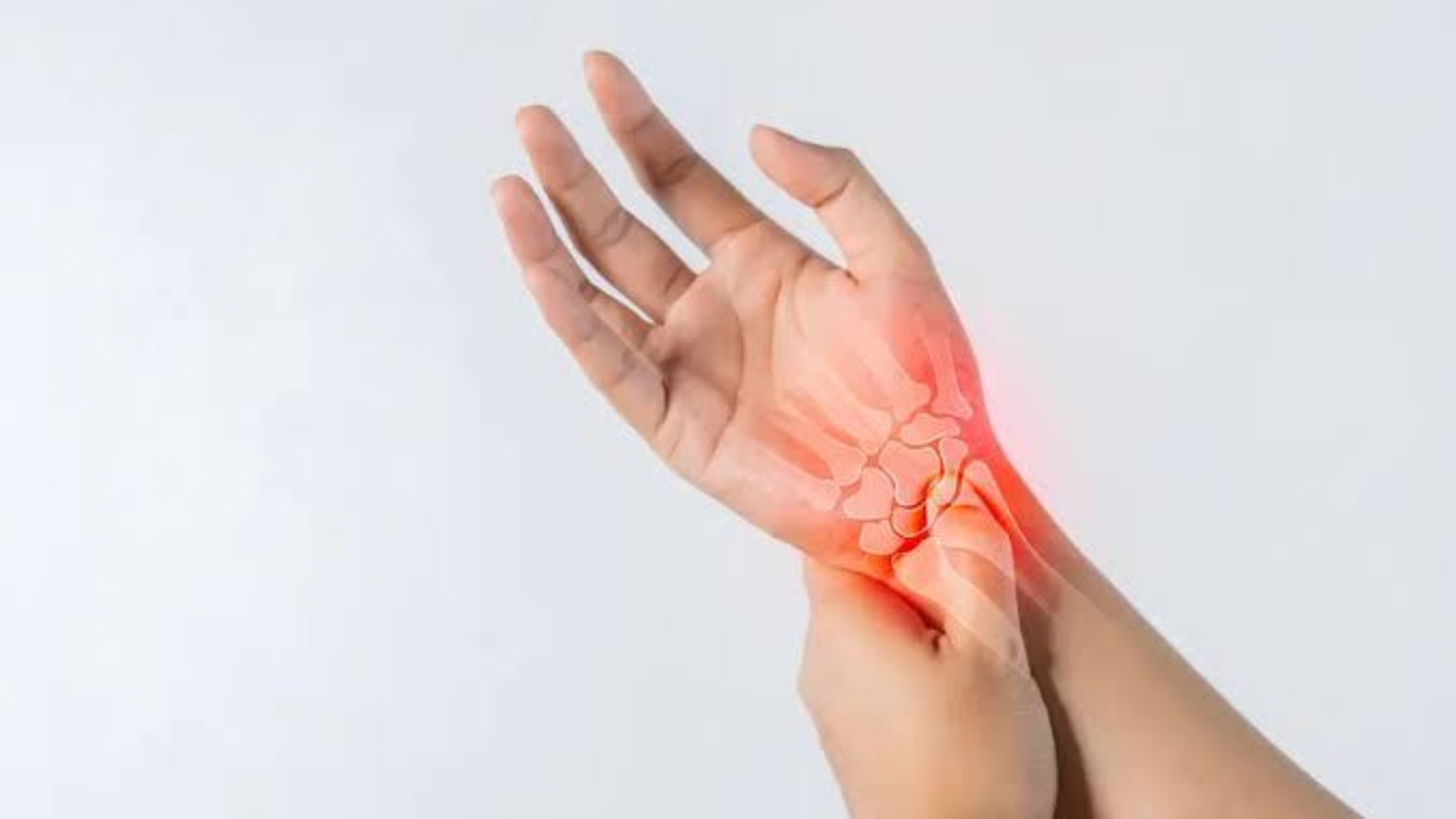
One possible cause is carpal tunnel syndrome, a condition involving pressure on the median nerve as it passes through a narrow space in the wrist called the carpal tunnel.

While occasional hand tingling can have many causes, persistent or recurring symptoms deserve attention.

What Is Carpal Tunnel Syndrome?

The carpal tunnel is a narrow passageway located in the wrist. Several tendons and the median nerve pass through it.

The median nerve provides sensation to parts of the hand and helps control certain muscles involved in hand movement.

When pressure builds around this nerve, symptoms associated with carpal tunnel syndrome may develop.

What Are the Symptoms?

Common symptoms can include:

  • Numbness in the thumb, index, middle, and part of the ring finger
  • Tingling or pins-and-needles sensations
  • Hand discomfort
  • Symptoms that become noticeable at night
  • Difficulty gripping objects
  • A feeling of weakness in the hand
  • A tendency to shake or move the hand to relieve symptoms

Symptoms may initially come and go. Over time, they can become more frequent or persistent.

What Can Contribute to Carpal Tunnel Syndrome?

There is not always one clear cause.

Factors that may contribute include:

  • Repetitive hand or wrist movements
  • Certain work activities
  • Wrist injuries
  • Conditions that cause swelling
  • Changes in the wrist anatomy
  • Certain medical conditions

Using a computer or keyboard does not automatically mean someone will develop carpal tunnel syndrome. However, repetitive activities or positions that place stress on the wrist may contribute to symptoms in some people.

Why Are Symptoms Often Worse at Night?

Many people with carpal tunnel syndrome notice symptoms while sleeping.

The wrist may remain bent during sleep, potentially increasing pressure within the carpal tunnel. This can contribute to nighttime numbness or tingling.

Some people wake up and feel the need to shake or move their hand to reduce the sensation.

How Is Carpal Tunnel Syndrome Diagnosed?

A healthcare professional may evaluate your symptoms, hand strength, sensation, and wrist movement.

Depending on the situation, additional tests may be recommended to assess nerve function or rule out other causes of numbness.

This is important because similar symptoms can sometimes originate from other areas, including the neck or other nerves.

How Is It Treated?

Treatment depends on the severity and cause of the symptoms.

Possible approaches may include:

  • Activity modification
  • Wrist positioning or splinting
  • Physical therapy
  • Medication when appropriate
  • Injections in selected cases
  • Further evaluation when symptoms are severe or persistent

When nerve compression becomes significant or symptoms do not improve with conservative treatment, additional treatment options may need to be considered.

When Should You Seek Help?

Occasional tingling may not indicate a serious problem, but persistent numbness, worsening symptoms, weakness, or difficulty using your hand should be evaluated.

Early assessment can help determine the cause and prevent you from simply guessing what may be behind your symptoms.

Protect Your Hand Function

Your hands are involved in countless everyday activities, from typing and driving to cooking and working. Persistent numbness or weakness should not be ignored.

At CWOPS, Center for Wellness Orthopedic, Pain & Spine, patients can receive evaluation for a variety of orthopedic, nerve, and pain-related conditions.

If hand numbness, tingling, or weakness is interfering with your routine, contact CWOPS at (702) 476-9700 to discuss your symptoms and available treatment options.

images - 2026-09-28T173437.177

Understanding Sacroiliac Joint Pain: Causes, Symptoms, and Treatment

When you experience lower back or pelvic pain, you may immediately think about your spine. However, another structure can sometimes contribute to discomfort in this area: the sacroiliac joint.

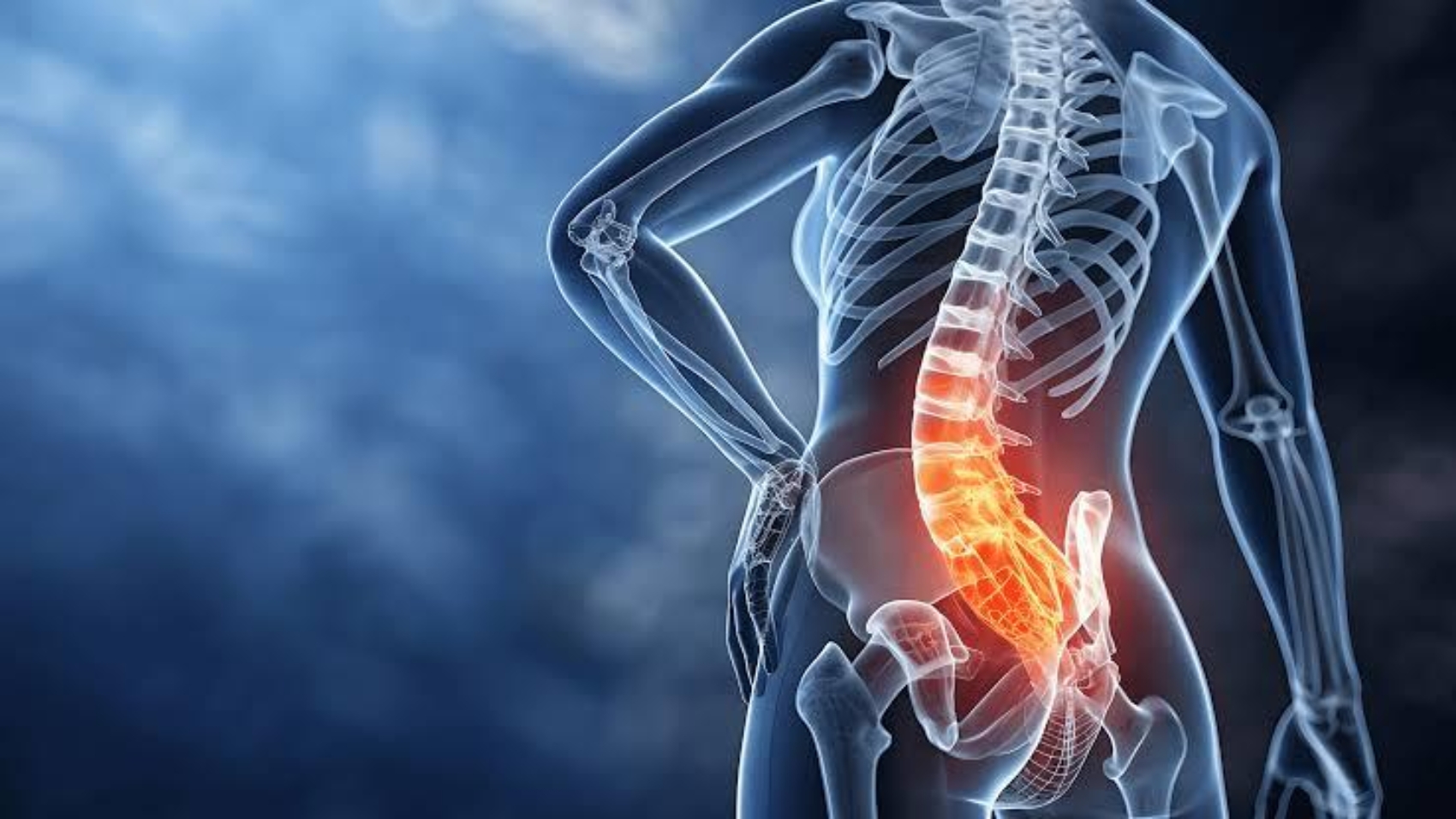
The sacroiliac, or SI, joints connect the lower part of the spine to the pelvis. Although these joints have relatively limited movement, they play an important role in transferring forces between the upper body and legs.

When an SI joint becomes irritated or painful, everyday activities such as walking, standing, climbing stairs, or changing positions may become uncomfortable.

What Are the Sacroiliac Joints?

There are two sacroiliac joints, one on each side of the pelvis.

They connect the sacrum, located at the bottom of the spine, with the pelvic bones. Their primary role is to provide stability and help transfer loads between the spine and lower body.

Because the SI joints are involved in supporting the body during movement, stress or irritation in this area can contribute to pain.

What Can Cause SI Joint Pain?

There is not always one single cause of sacroiliac joint pain.

Potential contributing factors may include:

  • Previous injuries
  • Repetitive physical stress
  • Changes in walking mechanics
  • Prolonged standing
  • Certain types of exercise
  • Pregnancy-related changes
  • Arthritis or degenerative changes
  • Differences in movement or load distribution

In some cases, the exact source of pain can be difficult to identify because symptoms may overlap with other lower back or hip conditions.

What Does SI Joint Pain Feel Like?

SI joint pain is often felt in the lower back, buttock, or pelvic region.

Some people may notice discomfort when:

  • Walking for extended periods
  • Standing for a long time
  • Climbing stairs
  • Getting out of a chair
  • Turning in bed
  • Moving from sitting to standing

Pain may sometimes be felt on one side more than the other.

Because several conditions can cause similar symptoms, location alone cannot confirm that the SI joint is responsible.

How Is SI Joint Pain Diagnosed?

Diagnosis usually involves a combination of medical history, physical examination, and assessment of movement.

A healthcare provider may perform specific physical tests designed to determine whether the SI joint may be contributing to symptoms.

Other conditions involving the spine, hips, muscles, or nerves may also need to be considered.

In selected situations, diagnostic injections may be used to help determine whether the SI joint is a significant source of pain.

Treatment Options for SI Joint Pain

Treatment depends on the cause and severity of symptoms.

Possible treatment approaches may include:

  • Physical therapy
  • Stretching and strengthening exercises
  • Activity modification
  • Medication when appropriate
  • Targeted injections
  • Other pain management treatments

Improving strength and movement patterns may also help reduce stress on the affected area in appropriate cases.

When Should You Seek Evaluation?

If lower back or pelvic pain continues, repeatedly returns, or begins interfering with your normal activities, consider seeking a professional evaluation.

Persistent pain can have several possible causes, so identifying the source is an important step toward choosing appropriate treatment.

Don’t Ignore Persistent Lower Back or Pelvic Pain

Not all lower back pain comes from the same structure. Understanding the potential source of your symptoms can help you have a more informed conversation about treatment.

At CWOPS, Center for Wellness Orthopedic, Pain & Spine, our team evaluates a variety of spine, orthopedic, and pain conditions, including conditions that may contribute to lower back and pelvic discomfort.

If pain is making walking, working, exercising, or completing everyday activities more difficult, contact CWOPS at (702) 476-9700 to learn more about your options.


photo-1

What Is Degenerative Disc Disease and How Can It Affect Your Spine?

Back and neck pain can develop for many different reasons, and one common cause is changes that occur in the spinal discs over time. One of these conditions is known as degenerative disc disease.

Despite its name, degenerative disc disease is not necessarily a disease in the traditional sense. It generally refers to age-related or wear-related changes in the discs between the vertebrae. These discs help absorb shock and allow the spine to move comfortably.

For some people, these changes cause little or no discomfort. For others, they can contribute to persistent pain and reduced mobility.

What Are Spinal Discs?

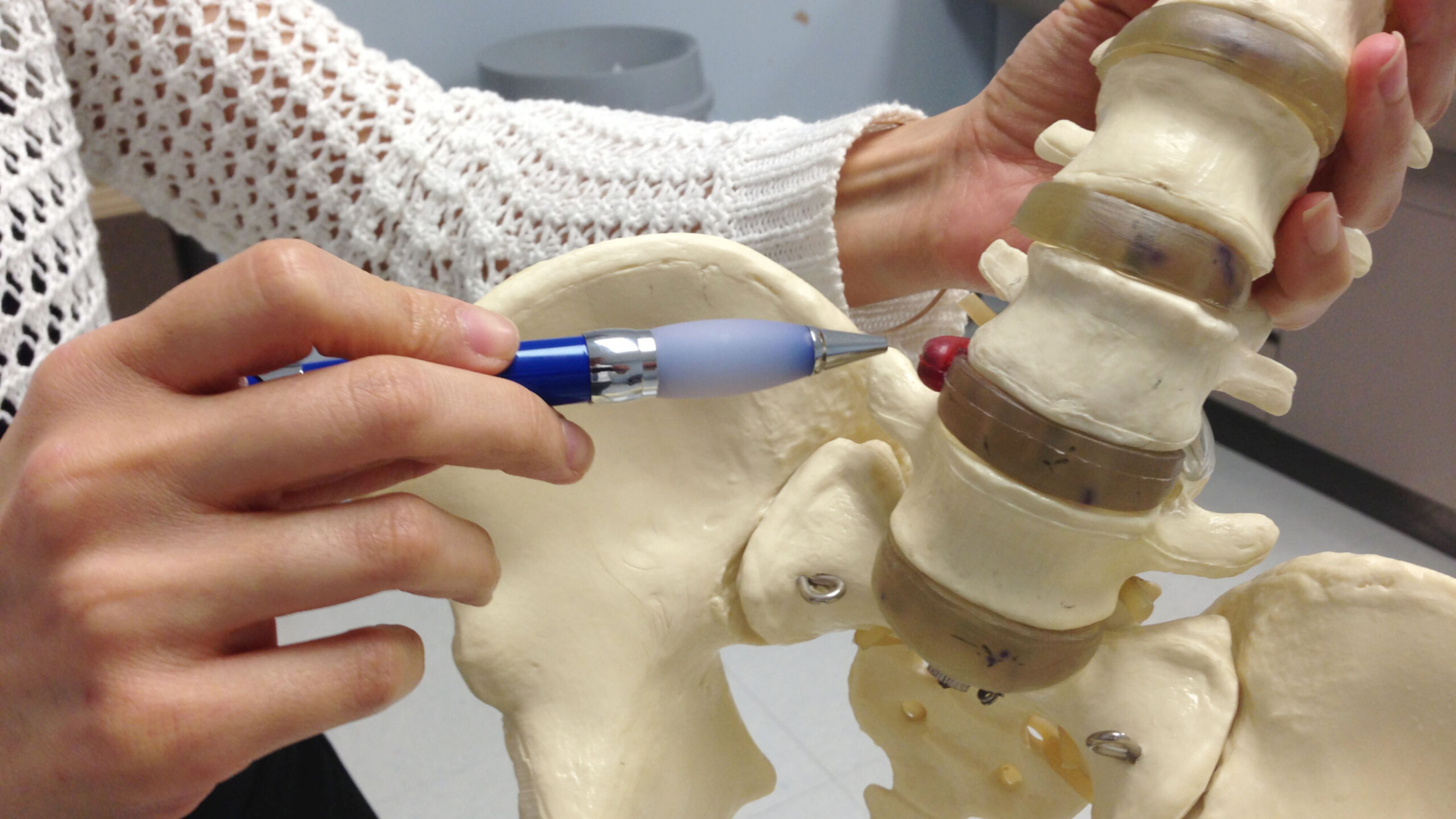
The spine is made up of individual bones called vertebrae. Between many of these bones are flexible discs that act as cushions.

A healthy disc helps:

  • Absorb impact during everyday movement
  • Support normal spinal motion
  • Reduce stress between vertebrae
  • Provide flexibility to the spine

As people age, spinal discs can gradually lose some of their water content and flexibility. The discs may become thinner or less effective at absorbing stress.

These changes can happen naturally, but they do not always cause symptoms.

What Causes Degenerative Disc Changes?

Age is one of the most common factors associated with disc degeneration. However, other factors may contribute to how quickly or significantly these changes develop.

Potential contributing factors include:

  • Repetitive physical stress
  • Previous spinal injuries
  • Heavy lifting
  • Repeated bending or twisting
  • Certain occupational activities
  • Smoking
  • Individual differences in spinal structure

It is also possible to have degenerative disc changes visible on imaging without experiencing significant pain.

What Does Degenerative Disc Disease Feel Like?

Symptoms can vary depending on where the affected disc is located and how much it is contributing to irritation or inflammation.

Possible symptoms include:

  • Persistent lower back pain
  • Neck pain
  • Stiffness
  • Pain that becomes worse with certain movements
  • Discomfort after prolonged sitting or standing
  • Pain that may extend into the buttocks, arms, or legs

Some people may experience periods of increased discomfort followed by periods when symptoms are less noticeable.

How Is It Diagnosed?

A healthcare professional may begin by reviewing your symptoms and medical history and performing a physical examination.

If additional evaluation is needed, imaging such as an X-ray or MRI may be considered depending on the symptoms and clinical situation.

Importantly, imaging findings are considered alongside symptoms and examination results. Disc changes seen on an image do not automatically mean they are the source of pain.

How Is Degenerative Disc Disease Treated?

Treatment depends on the severity of symptoms, the affected area, and other factors.

Depending on the individual situation, treatment may include:

  • Physical therapy
  • Exercise and mobility programs
  • Activity modification
  • Medication when appropriate
  • Targeted pain management
  • Injections in selected cases
  • Additional specialist evaluation when necessary

The goal is generally to improve function, manage symptoms, and address factors contributing to discomfort.

When Should You Seek Care?

Occasional back or neck discomfort may improve with conservative care. However, persistent pain, worsening symptoms, numbness, weakness, or pain that interferes with everyday activities should be evaluated.

A professional evaluation can help determine whether degenerative changes or another condition may be contributing to your symptoms.

Move Forward With the Right Care

Degenerative changes in the spine are common, but persistent pain should not simply be dismissed as a normal part of aging.

At CWOPS, Center for Wellness Orthopedic, Pain & Spine, patients can receive evaluation and treatment options for a range of spine, orthopedic, and pain conditions.

If ongoing back or neck pain is affecting your daily routine, contact CWOPS at (702) 476-9700 to discuss your symptoms and available care options.

images - 2026-09-23T193325.416

Bursitis: What It Is, What Causes It, and How It Can Be Treated

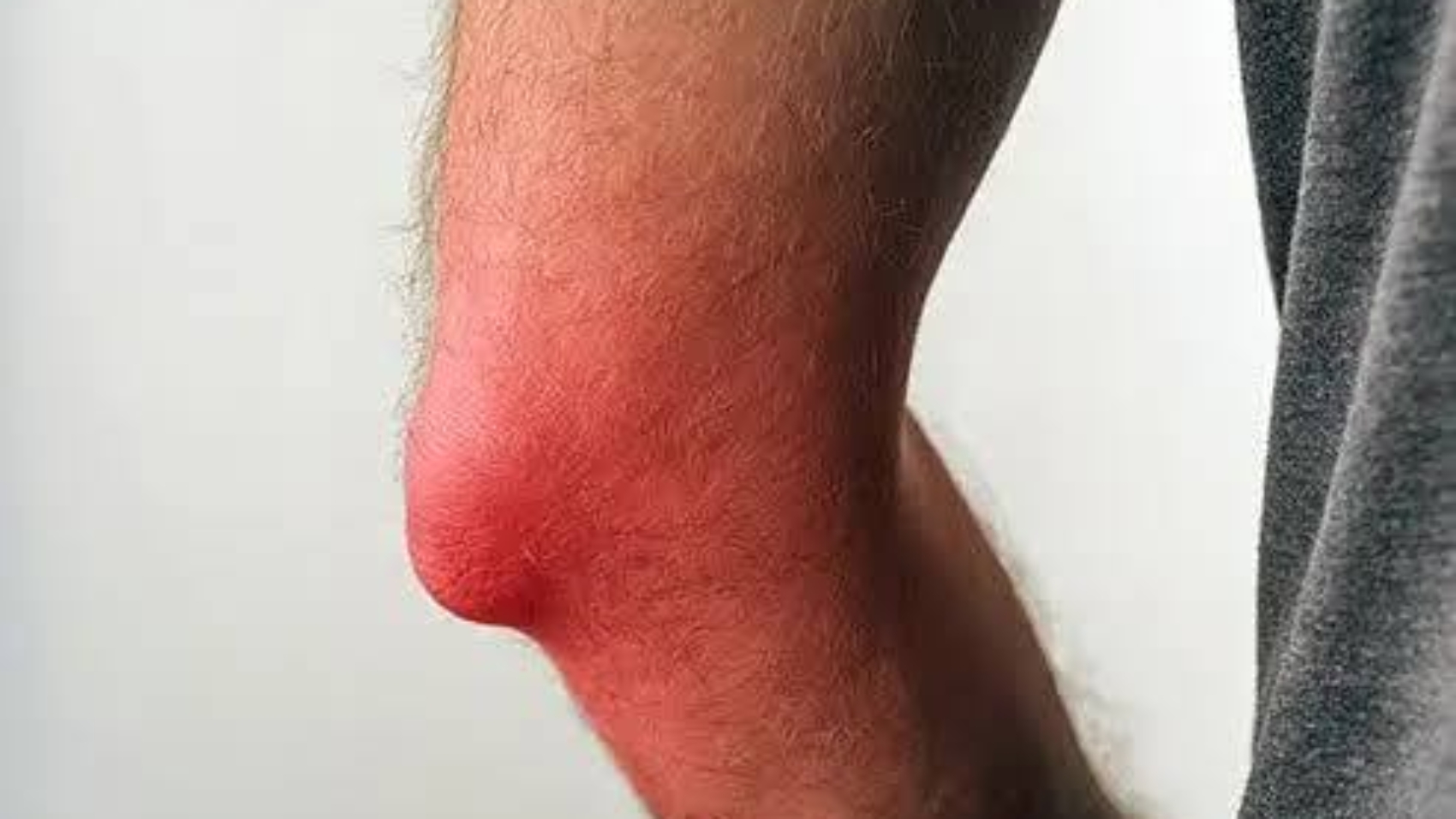
Pain around a joint does not always mean the joint itself is damaged. In some cases, the discomfort may involve a small fluid-filled structure called a bursa.

When a bursa becomes irritated or inflamed, the condition is known as bursitis. It can cause localized pain and tenderness and may make certain movements uncomfortable.

Bursitis can affect different areas of the body, including the shoulder, elbow, hip, knee, and heel.

What Are Bursae?

Bursae are small sacs filled with fluid that help reduce friction between bones, tendons, muscles, and other tissues.

They act somewhat like cushions, allowing different structures to move more smoothly against one another.

When a bursa becomes irritated, movement can become painful.

What Causes Bursitis?

Bursitis can develop for different reasons.

Common contributing factors may include:

  • Repetitive movements
  • Prolonged pressure on a joint
  • Repeated kneeling
  • Frequent overhead activity
  • Certain sports or occupational activities
  • Direct impact or injury
  • Underlying inflammatory conditions

For example, repeatedly placing pressure on the knees may contribute to irritation of the bursae around the knee.

What Does Bursitis Feel Like?

Symptoms depend on which bursa is affected.

Common symptoms may include:

  • Localized pain
  • Tenderness
  • Swelling
  • Warmth around the affected area
  • Discomfort during movement
  • Increased pain when pressure is placed on the area

The pain may become more noticeable when performing the activity that originally irritated the area.

How Is Bursitis Diagnosed?

Because several conditions can cause similar symptoms, identifying the source of pain is important.

A healthcare provider may evaluate:

  • Where the pain is located
  • When symptoms began
  • Activities that make symptoms worse
  • Whether swelling is present
  • Your range of motion
  • Your medical and injury history

Depending on the symptoms, additional testing or imaging may sometimes be recommended.

How Is Bursitis Treated?

Treatment depends on the underlying cause and severity.

Possible approaches may include:

  • Reducing or modifying aggravating activities
  • Resting the affected area when appropriate
  • Physical therapy
  • Medication when appropriate
  • Targeted injections in selected cases
  • Other pain management treatments

If an underlying condition is contributing to repeated inflammation, treating that condition may also be part of the overall plan.

When Should You Get Professional Help?

If pain continues despite reasonable activity modification, repeatedly returns, becomes increasingly uncomfortable, or interferes with normal movement, consider getting an evaluation.

It is especially important to seek medical attention when swelling, redness, warmth, fever, or significant pain develops, as these symptoms may require further evaluation.

Find the Right Approach for Your Joint Pain

Not every painful joint problem has the same cause, which means treatment should be based on an appropriate evaluation rather than assumptions.

At CWOPS, Center for Wellness Orthopedic, Pain & Spine, we help patients understand the potential sources of orthopedic and musculoskeletal pain and explore appropriate treatment options.

If persistent joint pain is affecting your daily routine, contact CWOPS at (702) 476-9700 to learn more about evaluation and available care.

images - 2026-09-23T192752.067

Understanding Facet Joint Pain: A Common but Overlooked Cause of Back Pain

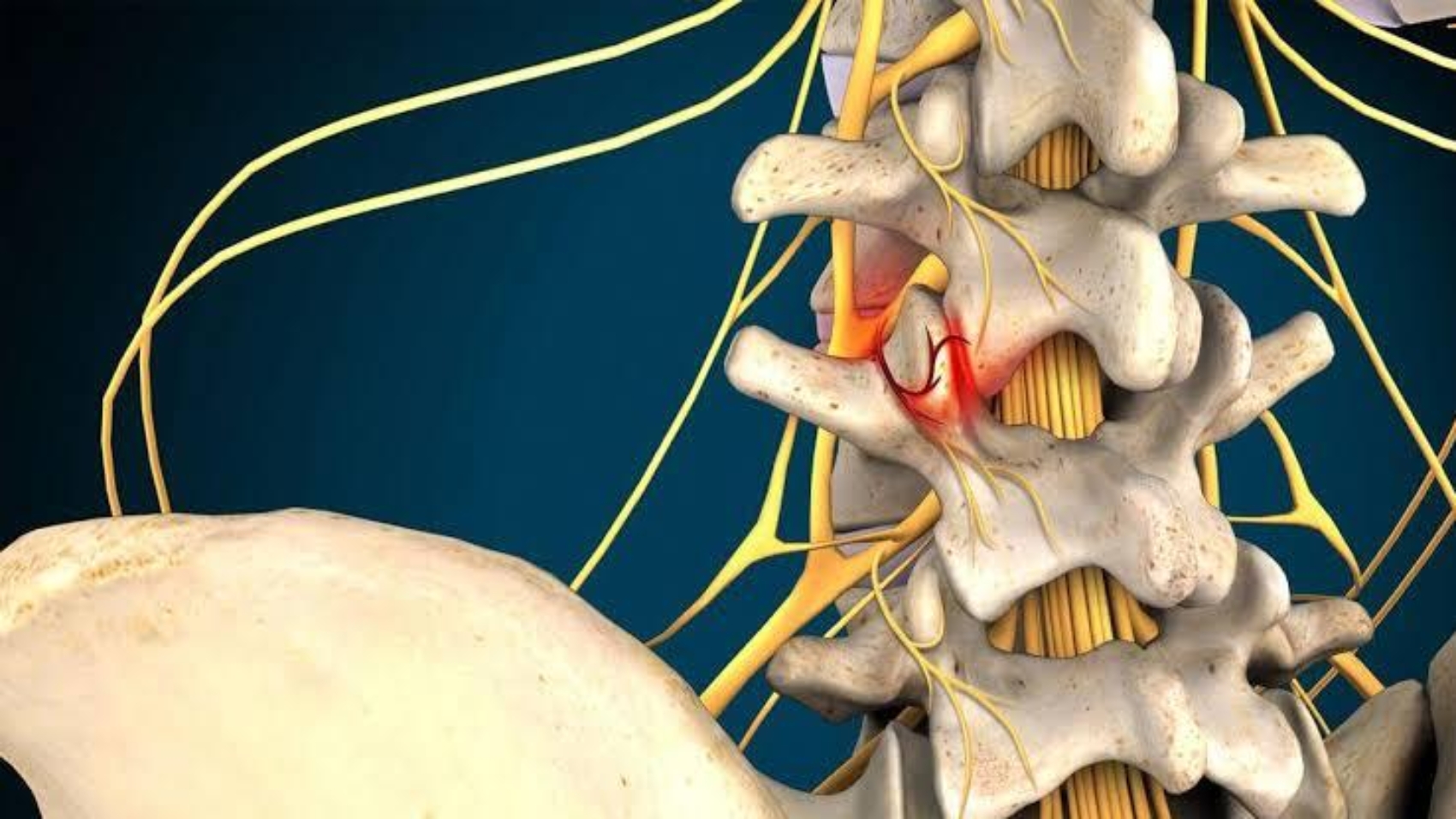
When people experience back pain, they often think about muscles, discs, or nerves. But another important source of discomfort can be the small joints located along the back of the spine called facet joints.

Facet joints help connect the vertebrae and provide stability while allowing the spine to bend and rotate. When these joints become irritated or affected by degenerative changes, they may contribute to localized back or neck pain.

Understanding facet joint pain can help you recognize when persistent symptoms may deserve professional evaluation.

What Are Facet Joints?

Facet joints are small joints positioned between the vertebrae of the spine. They work with the discs and other structures to help support controlled spinal movement.

Like other joints in the body, facet joints can experience wear and changes over time.

Factors that may contribute to facet joint problems include:

Age-related changes
Repetitive spinal stress
Previous injuries
Degenerative changes
Poor movement mechanics
Repeated bending or twisting
What Does Facet Joint Pain Feel Like?

Facet-related pain can vary depending on the location and severity of the problem.

Some people may experience:

Localized lower back pain
Neck pain
Stiffness
Pain when twisting or bending backward
Discomfort after prolonged standing
Pain that becomes more noticeable during certain movements

Facet joint pain does not always follow the same pattern as nerve-related pain. This is one reason why identifying the actual source of persistent back or neck discomfort can sometimes require a detailed evaluation.

Why Can It Be Difficult to Identify?

Back pain can come from several structures at the same time. Muscles, discs, joints, nerves, and other tissues can all contribute to symptoms.

Because of this, simply knowing where the pain is located may not be enough to determine the underlying cause.

A healthcare professional may consider your symptoms, medical history, movement patterns, and physical examination when evaluating possible facet joint involvement. In some cases, diagnostic procedures may also be considered.

What Treatment Options Are Available?

Treatment depends on the individual’s symptoms and diagnosis.

Conservative approaches may include:

Physical therapy
Stretching and mobility exercises
Activity modification
Medication when appropriate
Targeted pain management
Image-guided procedures in selected cases

The appropriate approach depends on what is contributing to the pain and how the condition is affecting your daily life.

When Should You Get Your Back Pain Evaluated?

Occasional back discomfort may improve with rest and appropriate self-care. However, pain that continues, repeatedly returns, interferes with daily activities, or progressively worsens may warrant professional evaluation.

A proper assessment can help distinguish between different potential sources of pain and guide the next step in care.

Take Persistent Back Pain Seriously

You do not have to assume that ongoing back pain is simply part of getting older. There can be different causes, and identifying the source is an important part of developing an appropriate treatment plan.

At CWOPS, Center for Wellness Orthopedic, Pain & Spine, we provide evaluation and treatment options for patients dealing with various orthopedic and spine-related conditions.

If back or neck pain is affecting your everyday life, contact CWOPS at (702) 476-9700 to learn more about your care options.

images - 2026-09-19T031744.777

How Joint Stability Helps You Move With Confidence

Strong and flexible muscles are important for movement, but joint stability is equally essential. Stable joints help your body maintain proper alignment and control while you walk, exercise, lift, reach, and perform everyday activities.

Joint stability depends on several structures working together, including muscles, tendons, ligaments, bones, and surrounding tissues. When one of these structures is injured or weakened, the joint may feel less secure.

People with joint instability may describe a feeling that a knee, ankle, shoulder, or other joint is giving way, shifting, or not supporting them properly. Some may experience recurring injuries or discomfort during specific movements.

Previous injuries are a common contributor. A sprained ligament, for example, may affect the stability of a joint even after the initial swelling and pain have improved. Without appropriate rehabilitation, strength and coordination may not fully return.

Muscle weakness can also affect stability. The muscles surrounding a joint help control movement and protect it during physical activity. Improving strength and coordination can therefore be an important part of rehabilitation.

Balance and movement training may also help. Physical therapy programs often focus on teaching the body to control movement more effectively rather than simply increasing muscle strength.

If a joint repeatedly feels unstable, it is important not to ignore the symptom. Continuing activities that cause the joint to give way may increase the risk of additional injury.

At CWOPS, patients can receive an evaluation to help determine what may be contributing to joint instability. Treatment is based on the underlying condition and may include rehabilitation, activity modification, pain management, or other appropriate care.

The goal of treatment is not simply to reduce discomfort. Restoring confidence in movement and improving function are also important parts of maintaining an active lifestyle.

If you regularly feel that a joint cannot be trusted during normal movement, professional evaluation can help you understand why and determine what steps may support better stability.

images - 2026-09-19T031230.214

Why Grip Strength Matters for Everyday Health

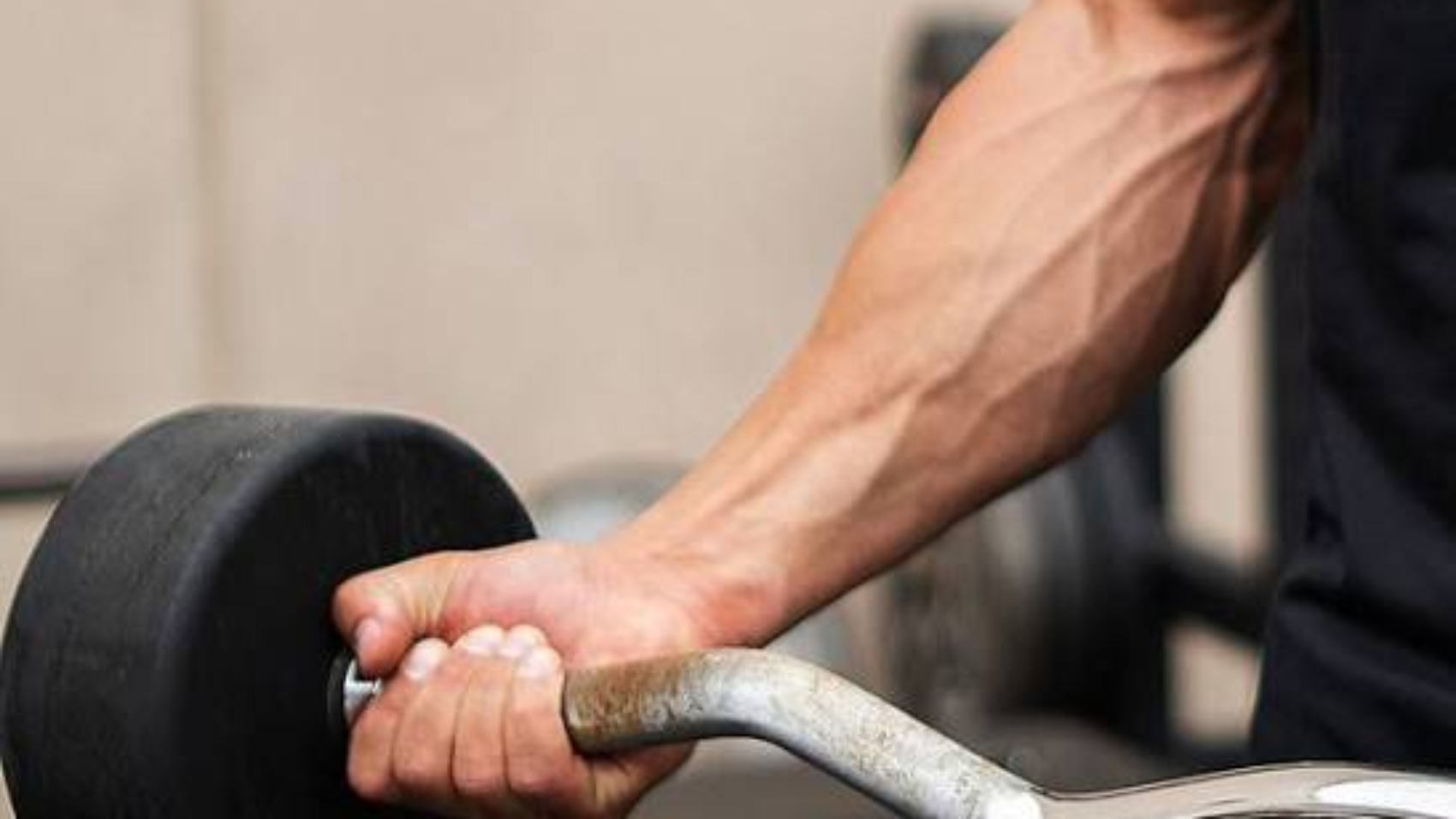
Your hands may not seem connected to your overall physical health, but grip strength plays an important role in many everyday activities. Opening containers, carrying groceries, using tools, exercising, and even getting up from a chair can require strength and coordination in your hands and arms.

A gradual decrease in grip strength may happen because of inactivity, aging, previous injuries, or conditions affecting the muscles, joints, or nerves.

Sometimes weakness is accompanied by pain or stiffness in the hand, wrist, elbow, or shoulder. In other situations, numbness and tingling may suggest that a nerve is being irritated or compressed.

Because several different conditions can affect grip strength, it is important to pay attention to changes rather than assuming weakness is simply part of getting older.

Maintaining overall upper-body strength can support hand and arm function. Activities that safely challenge the hands and forearms may be helpful for some people, although exercises should be appropriate for your physical condition.

If you already have significant hand, wrist, or elbow pain, aggressively exercising the affected area may not be appropriate. A professional evaluation can help determine which movements are safe.

Persistent weakness deserves particular attention if it develops suddenly, affects one side more than the other, or occurs alongside numbness, tingling, or difficulty coordinating your hand.

At CWOPS, evaluating the source of symptoms is an important part of developing an appropriate treatment plan. Your symptoms may involve a joint, tendon, muscle, or nerve, and each requires a different approach.

Depending on the cause, treatment may include physical therapy, activity modifications, medication management, or targeted interventions.

Strong and functional hands support independence in everyday life. If you notice that ordinary tasks are becoming more difficult because of weakness or pain, getting the problem evaluated can help identify the underlying cause and appropriate next steps.

images - 2026-08-25T233706.058

How a Sedentary Lifestyle Can Affect Your Muscles and Joints

Modern life makes it easy to spend hours sitting. Whether you’re working at a desk, driving, watching television, or using a computer, long periods of inactivity can gradually affect how your body feels and moves.

Your body is designed for movement. When you remain in one position for extended periods, muscles can become tight and joints may become stiff. Over time, reduced activity can also contribute to muscle weakness and decreased endurance.

The effects may be especially noticeable in the back, hips, neck, and shoulders. You may experience stiffness when standing after sitting for a long time or discomfort after spending an entire day at a desk.

A sedentary lifestyle can also make it harder to maintain healthy body weight, which can place additional stress on weight-bearing joints such as the knees, hips, and lower back.

Fortunately, small changes can make a meaningful difference. Standing up regularly, taking short walking breaks, stretching during the workday, and incorporating regular physical activity into your routine can help keep your body moving.

You do not necessarily need an intense workout every day. Consistent movement throughout the day can be a valuable part of maintaining mobility.

If inactivity has already contributed to persistent pain or stiffness, starting an exercise routine should be approached gradually. A healthcare professional or physical therapist can help determine which activities are appropriate for your condition.

At CWOPS, we help patients address orthopedic, spine, joint, muscle, and nerve-related problems while focusing on restoring function and supporting long-term mobility.

Movement is an important part of maintaining a healthy body. If pain is preventing you from becoming more active, addressing the source of that pain may be the first step toward moving more comfortably.

2740007

Why Staying Hydrated Matters for Muscles and Joint Function

Hydration is usually associated with exercise performance and hot weather, but getting enough fluids is also important for everyday movement. Your muscles, joints, and connective tissues all depend on proper hydration to function effectively.

When you do not drink enough fluids, you may experience fatigue, headaches, reduced exercise performance, and muscle discomfort. Dehydration can also make physical activity feel more difficult, particularly during exercise or prolonged periods of heat.

Your joints contain fluid that helps reduce friction between structures as they move. While hydration alone cannot prevent or treat every joint condition, maintaining adequate fluid intake supports normal body function and can be part of a healthy lifestyle.

Muscles also require proper hydration for normal contraction and relaxation. During exercise, you lose fluids through sweat, making hydration particularly important before, during, and after physical activity.

However, hydration is only one part of maintaining healthy muscles and joints. Regular movement, balanced nutrition, appropriate exercise, sufficient recovery, and professional care when needed all contribute to musculoskeletal health.

If you regularly experience muscle cramps, unusual fatigue, persistent joint discomfort, or pain during activity, don’t assume dehydration is the only explanation. Persistent symptoms may have another underlying cause.

At CWOPS, our approach to orthopedic and pain care focuses on understanding the factors contributing to your symptoms and creating an individualized treatment strategy.

Simple healthy habits can support your body every day, but they should not replace medical evaluation when pain or mobility problems persist.

Taking care of your body includes paying attention to the basics, including movement, recovery, nutrition, and hydration.