images - 2026-09-19T030827.508

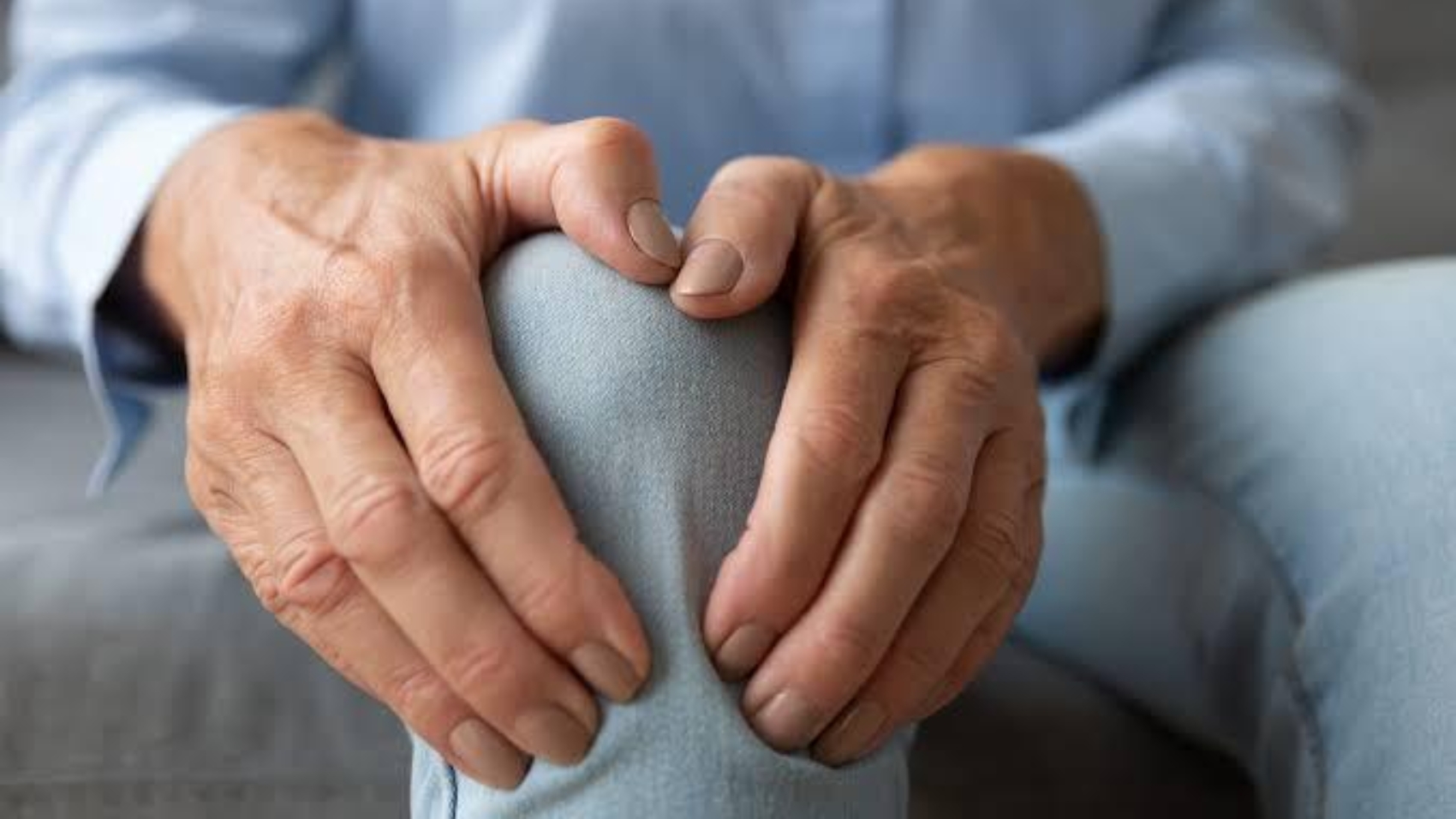
Why Your Knee May Hurt When Going Up or Down Stairs

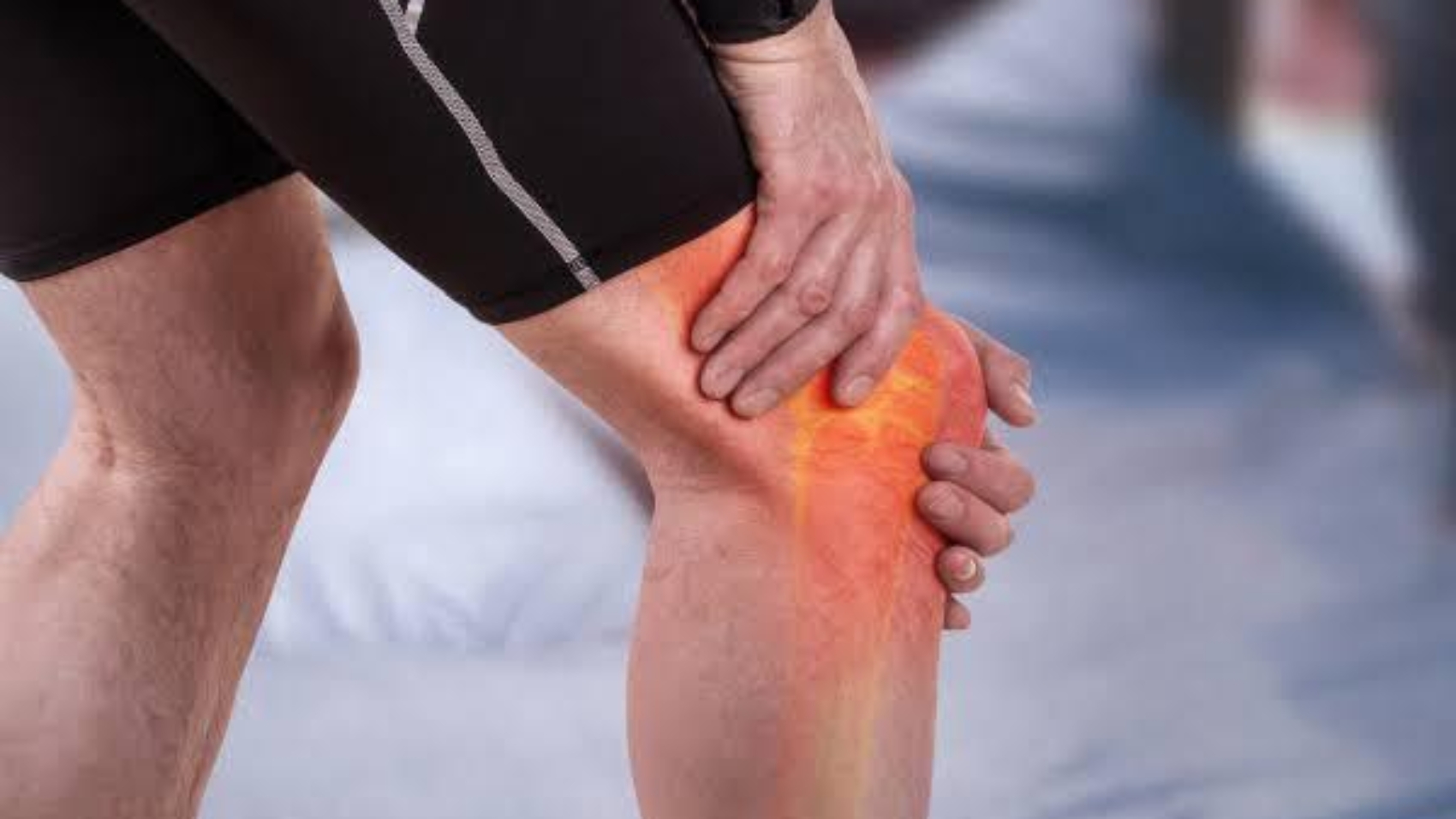
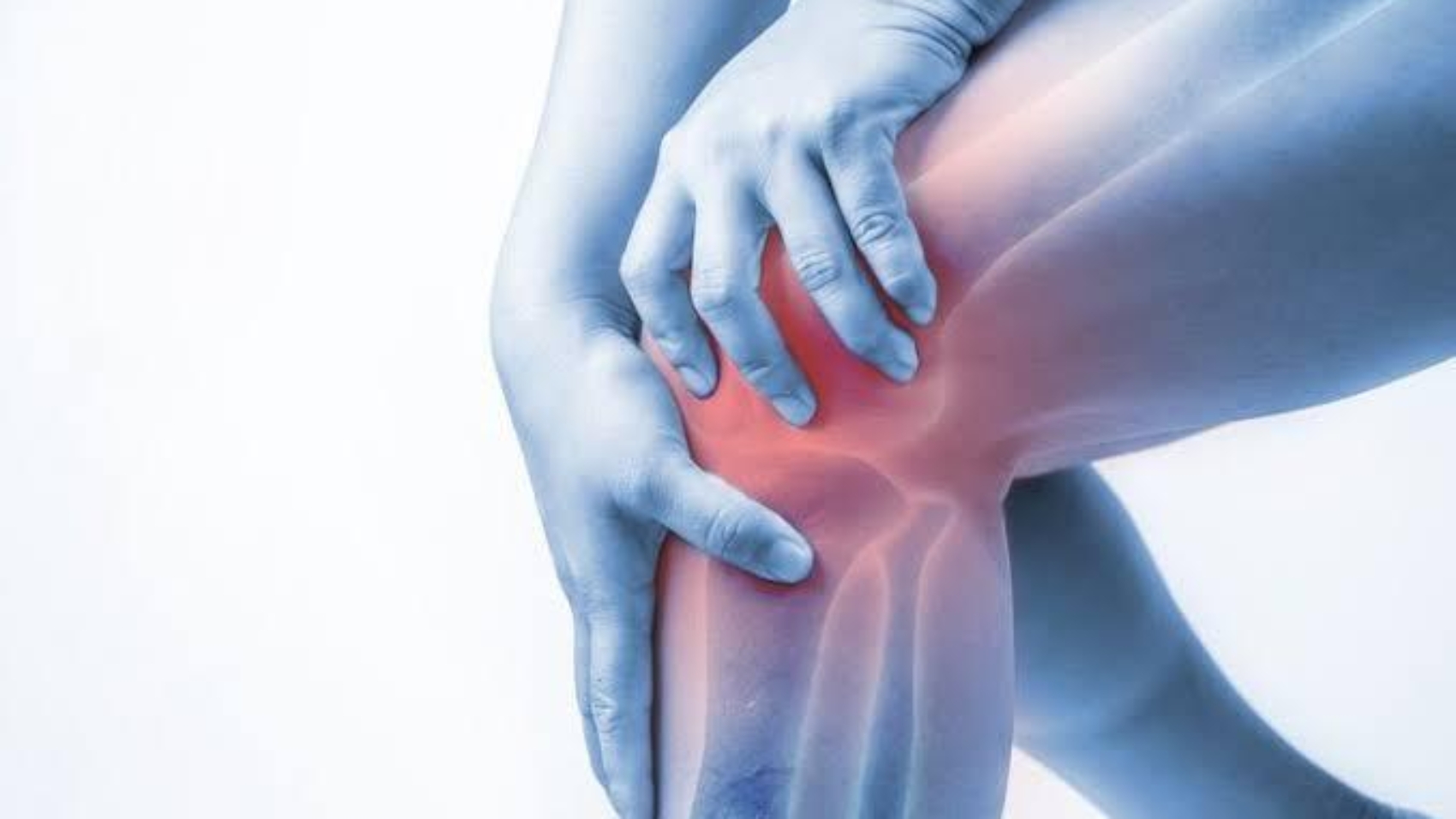
Walking on flat ground may feel completely normal, but climbing or descending stairs can suddenly bring out knee pain. This is a common experience, and it can happen for several different reasons. Understanding why stairs trigger discomfort can help you recognize when your knees may need professional attention.

Your knees absorb significant forces whenever you bend, straighten, or support your body weight. Stairs require greater bending and muscle control than walking on level ground, which can make certain knee problems more noticeable.

One possible cause is irritation around the kneecap. The joint between the kneecap and thighbone plays an important role in everyday movement, and discomfort in this area may become more noticeable when repeatedly bending the knee.

Muscle weakness can also contribute to stair-related knee pain. The muscles around your hips and thighs help stabilize the knee during movement. When these muscles are weak or imbalanced, the knee may experience additional stress.

Previous injuries, arthritis, tendon problems, and changes in joint structure can also contribute to pain when using stairs. The specific cause cannot always be determined from symptoms alone.

Pay attention to other signs that occur with your knee pain. Swelling, stiffness, clicking, instability, or difficulty fully bending or straightening the knee may provide additional information about the underlying problem.

Small changes may sometimes help reduce discomfort. Strengthening the muscles around the hips and thighs, maintaining a healthy weight, choosing appropriate footwear, and avoiding sudden increases in activity can all support knee health.

However, persistent pain should not simply be ignored. Continuing to push through significant discomfort may make certain conditions more difficult to manage.

At CWOPS, a comprehensive evaluation can help determine what may be contributing to your knee pain. Depending on the diagnosis, treatment may include physical therapy, activity modification, medication management, targeted injections, or other appropriate approaches.

If your knees consistently hurt on stairs, especially if the pain is getting worse or affecting everyday activities, consider having them evaluated. Understanding the cause can help you take appropriate steps toward better mobility and comfort.
images - 2026-08-25T233911.175

What Can Cause Persistent Elbow Pain?

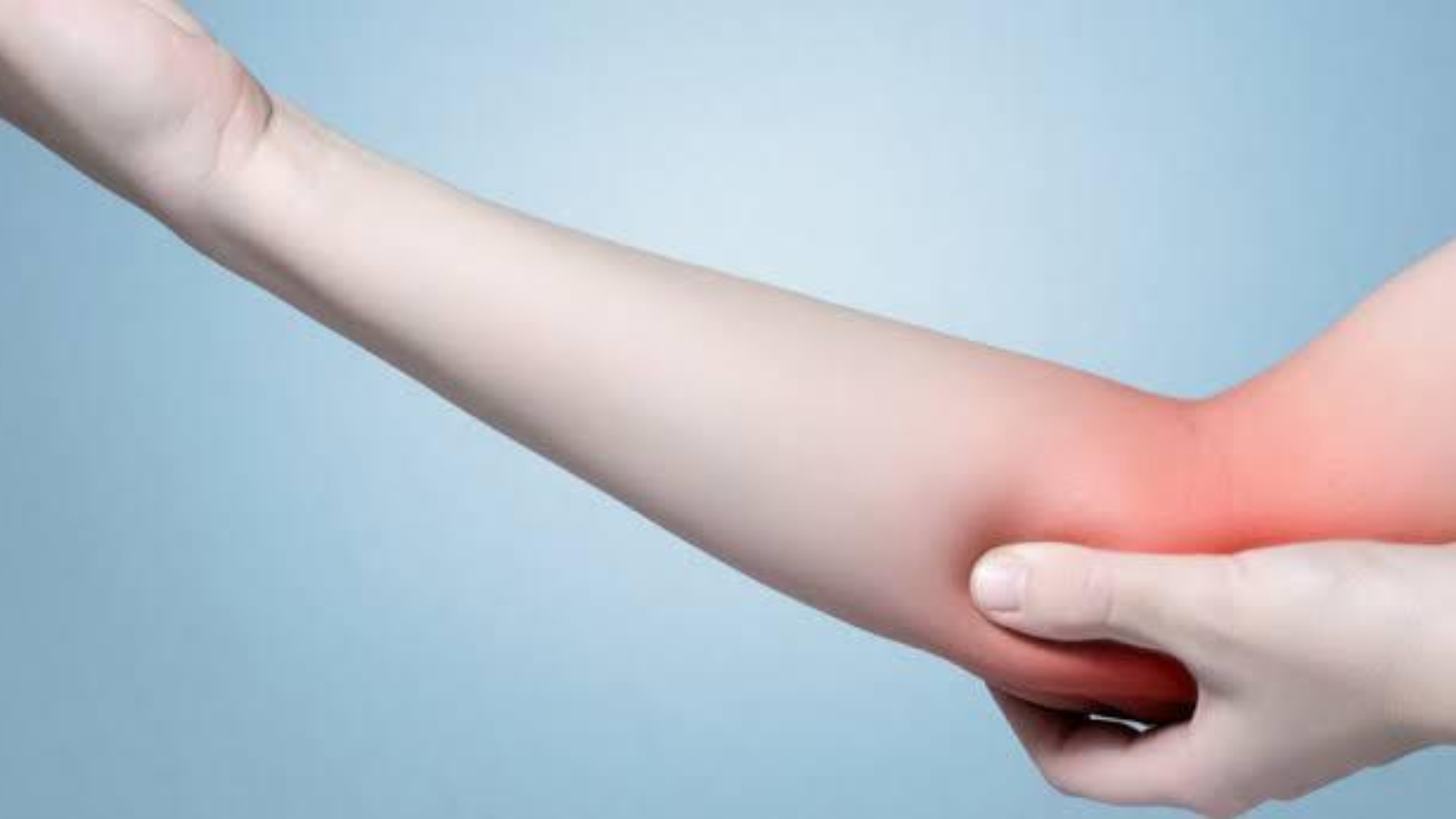
Elbow pain can affect people who work with their hands, play sports, exercise regularly, or perform repetitive movements throughout the day. Sometimes the discomfort develops after a clear injury. In other cases, it gradually appears without one specific event.

The elbow connects the upper and lower arm and plays an important role in lifting, gripping, reaching, and rotating the arm. Because it is involved in so many movements, repetitive stress can place significant strain on the muscles and tendons surrounding the joint.

Some elbow conditions are associated with repeated gripping or wrist movements. Others may result from direct trauma, overuse, arthritis, or irritation of nearby nerves.

Symptoms can include aching, tenderness, stiffness, swelling, weakness, or pain when gripping or lifting. Some people notice that symptoms become worse during certain activities but improve with rest.

Although temporary soreness may improve on its own, persistent elbow pain should not be ignored, particularly if it begins interfering with work, exercise, or everyday activities.

Treatment depends on the underlying cause. Depending on the condition, conservative approaches may include activity modification, physical therapy, strengthening exercises, medications, or targeted pain management treatments.

Proper rehabilitation can be especially important when repetitive movement has contributed to the problem. Gradually restoring strength and flexibility can help improve function and reduce the risk of recurrence.

At CWOPS, patients can receive an individualized evaluation to help identify what may be contributing to their elbow pain. The goal is to understand the problem and develop a treatment approach that supports improved movement and quality of life.

You don’t have to simply work around persistent elbow pain. If discomfort continues or keeps returning, professional evaluation can help you understand your options and take the next step toward recovery.

images - 2026-08-25T233706.058

How a Sedentary Lifestyle Can Affect Your Muscles and Joints

Modern life makes it easy to spend hours sitting. Whether you’re working at a desk, driving, watching television, or using a computer, long periods of inactivity can gradually affect how your body feels and moves.

Your body is designed for movement. When you remain in one position for extended periods, muscles can become tight and joints may become stiff. Over time, reduced activity can also contribute to muscle weakness and decreased endurance.

The effects may be especially noticeable in the back, hips, neck, and shoulders. You may experience stiffness when standing after sitting for a long time or discomfort after spending an entire day at a desk.

A sedentary lifestyle can also make it harder to maintain healthy body weight, which can place additional stress on weight-bearing joints such as the knees, hips, and lower back.

Fortunately, small changes can make a meaningful difference. Standing up regularly, taking short walking breaks, stretching during the workday, and incorporating regular physical activity into your routine can help keep your body moving.

You do not necessarily need an intense workout every day. Consistent movement throughout the day can be a valuable part of maintaining mobility.

If inactivity has already contributed to persistent pain or stiffness, starting an exercise routine should be approached gradually. A healthcare professional or physical therapist can help determine which activities are appropriate for your condition.

At CWOPS, we help patients address orthopedic, spine, joint, muscle, and nerve-related problems while focusing on restoring function and supporting long-term mobility.

Movement is an important part of maintaining a healthy body. If pain is preventing you from becoming more active, addressing the source of that pain may be the first step toward moving more comfortably.

2740007

Why Staying Hydrated Matters for Muscles and Joint Function

Hydration is usually associated with exercise performance and hot weather, but getting enough fluids is also important for everyday movement. Your muscles, joints, and connective tissues all depend on proper hydration to function effectively.

When you do not drink enough fluids, you may experience fatigue, headaches, reduced exercise performance, and muscle discomfort. Dehydration can also make physical activity feel more difficult, particularly during exercise or prolonged periods of heat.

Your joints contain fluid that helps reduce friction between structures as they move. While hydration alone cannot prevent or treat every joint condition, maintaining adequate fluid intake supports normal body function and can be part of a healthy lifestyle.

Muscles also require proper hydration for normal contraction and relaxation. During exercise, you lose fluids through sweat, making hydration particularly important before, during, and after physical activity.

However, hydration is only one part of maintaining healthy muscles and joints. Regular movement, balanced nutrition, appropriate exercise, sufficient recovery, and professional care when needed all contribute to musculoskeletal health.

If you regularly experience muscle cramps, unusual fatigue, persistent joint discomfort, or pain during activity, don’t assume dehydration is the only explanation. Persistent symptoms may have another underlying cause.

At CWOPS, our approach to orthopedic and pain care focuses on understanding the factors contributing to your symptoms and creating an individualized treatment strategy.

Simple healthy habits can support your body every day, but they should not replace medical evaluation when pain or mobility problems persist.

Taking care of your body includes paying attention to the basics, including movement, recovery, nutrition, and hydration.

images - 2026-08-25T233042.095

Why Your Feet and Ankles Matter to Your Overall Mobility

Your feet and ankles carry you through thousands of steps every day. They absorb impact, help maintain balance, and work with your knees, hips, and spine to keep your body moving efficiently. When problems develop in this area, the effects can extend far beyond your feet.

Foot and ankle pain can result from injuries, overuse, arthritis, tendon problems, improper footwear, or changes in the way you walk. Even a relatively small problem can cause you to change your gait to avoid discomfort.

When you favor one foot or alter your walking pattern, other parts of the body may have to compensate. This can place additional stress on the knees, hips, and lower back.

Common symptoms include persistent heel pain, ankle stiffness, swelling, tenderness, difficulty bearing weight, or discomfort during exercise. Some people may also notice that their shoes feel uncomfortable or that their balance has changed.

Ignoring these symptoms can make normal activities increasingly difficult. Continuing to exercise through significant pain may also aggravate an existing problem.

Appropriate footwear, gradual increases in physical activity, maintaining healthy body weight, and paying attention to recurring symptoms can all help support foot and ankle health.

When pain continues, professional evaluation can help determine what is causing the problem. Treatment may include activity modification, physical therapy, supportive measures, medication, or other appropriate orthopedic and pain management options.

At CWOPS, we look at how the musculoskeletal system works together rather than focusing only on the location of discomfort. Understanding how an injury or condition affects movement can help guide a more complete treatment approach.

Healthy feet and ankles are an important foundation for an active lifestyle. If pain is changing the way you walk or limiting your everyday activities, getting evaluated can help you take the right steps toward recovery.

2056998

How Arthritis Can Affect More Than Just Your Joints

When people hear the word arthritis, they often think of joint pain and stiffness. But arthritis can affect much more than how a joint feels. Over time, symptoms can influence mobility, strength, sleep, exercise, and the ability to complete everyday activities comfortably.

Arthritis involves inflammation or changes within a joint, and there are several different types. Osteoarthritis, for example, is commonly associated with gradual changes in the cartilage and structures within a joint. It frequently affects areas such as the knees, hips, hands, and spine.

Early symptoms may be easy to overlook. You might notice stiffness when getting out of bed, discomfort after sitting for a long time, or pain that appears after physical activity. As symptoms progress, you may experience reduced range of motion, swelling, or difficulty performing activities that were previously easy.

Living with ongoing joint discomfort can also change the way you move. You may begin avoiding certain activities because they hurt, which can eventually contribute to muscle weakness and reduced mobility. Less movement can then make stiffness worse, creating a frustrating cycle.

The good news is that arthritis does not mean you have to stop being active. Treatment plans can focus on reducing discomfort while helping you maintain strength and mobility.

Depending on the condition and severity of symptoms, treatment may include physical therapy, exercise, medication management, lifestyle changes, or targeted pain management procedures.

At CWOPS, care is personalized around the patient’s symptoms, goals, and overall health. The goal is not simply to manage discomfort but to help patients maintain function and participate in the activities that matter to them.

If joint pain or stiffness is becoming a regular part of your day, don’t assume you simply have to live with it. An evaluation can help determine the cause and identify appropriate treatment options.

Taking action early can help you protect your mobility and maintain a more active lifestyle.

images - 2026-08-17T180658.855

What Is the Difference Between Nerve Pain and Muscle Pain?

Not all pain feels the same. Understanding whether discomfort may be coming from a muscle or a nerve can help you recognize when professional evaluation may be appropriate.

Muscle pain is often described as aching, soreness, tightness, or tenderness. It may develop after exercise, physical work, repetitive movement, or an injury. The affected area may feel sore when touched or when a particular muscle is used.

Nerve pain can feel very different. People may describe it as burning, electric, shooting, tingling, or pins and needles. Nerve-related symptoms may also include numbness or weakness.

The location of symptoms can provide clues. Muscle pain generally remains around the affected muscle, while nerve pain may travel along a specific pathway. For example, irritation of a nerve in the lower back can sometimes cause symptoms that extend into the buttock or leg.

However, symptoms can overlap. A muscle problem may cause significant discomfort, while nerve irritation may sometimes feel like a deep ache. That is why self-diagnosis can be difficult.

Certain symptoms deserve particular attention. Persistent numbness, weakness, worsening pain, or pain that travels into an arm or leg should be evaluated, especially when symptoms interfere with normal activities.

At CWOPS, providers assess the location, quality, duration, and pattern of pain when determining its possible source. Diagnostic services and other evaluations may be used when needed to better understand the condition.

Treatment depends on the diagnosis. Muscle-related conditions may respond to physical therapy, stretching, strengthening, and activity modifications. Nerve-related conditions may require a different approach, potentially including medication management or targeted pain management procedures.

The important point is that pain is a symptom, not a diagnosis.

Understanding whether your symptoms may involve muscles, joints, nerves, or the spine can help guide appropriate care. If pain continues or begins affecting your strength, sensation, sleep, or mobility, consider having it professionally evaluated.

At CWOPS, personalized care is focused on identifying the source of pain and creating a treatment strategy based on each patient’s individual needs.

images - 2026-08-17T180339.994

How Previous Injuries Can Affect Your Body Years Later

An injury may appear to heal completely, but that does not always mean your body has returned to exactly the way it functioned before the injury.

A previous fracture, sprain, muscle injury, or joint problem can sometimes affect movement patterns long after the original pain has disappeared. These changes may become noticeable months or even years later.

For example, someone who previously injured one knee may unconsciously place more weight on the opposite leg. Over time, this compensation can change the way the hips, knees, and lower back move.

Muscle weakness can also remain after an injury. If rehabilitation was incomplete, the affected area may not regain its previous strength or flexibility. This can make the area more vulnerable to future problems.

Scar tissue and changes in joint movement may also contribute to stiffness or discomfort.

This does not mean every old injury will eventually cause chronic pain. Many people recover fully and return to normal activities. However, recurring symptoms in an area that was previously injured deserve attention, particularly if they interfere with movement.

One of the best ways to support recovery after an injury is to follow an appropriate rehabilitation program. Strengthening the surrounding muscles, restoring flexibility, and gradually returning to activity can help improve function.

At CWOPS, providers can evaluate persistent or recurring symptoms and determine whether an old injury may be contributing to current discomfort. A treatment plan can then be designed around your present condition and functional goals.

Treatment may include physical therapy, activity modifications, pain management techniques, or minimally invasive procedures when appropriate.

Your body does not necessarily have to remain limited by an injury from years ago. If an old injury is affecting your current movement or causing recurring pain, an evaluation can help identify what may be contributing to the problem.

Addressing these issues can help restore confidence in movement and make everyday activities more comfortable.

images - 2026-08-17T180153.182

Why Your Pain May Feel Different at Night

Pain can be frustrating during the day, but nighttime discomfort can be especially disruptive. When pain makes it difficult to fall asleep or repeatedly wakes you during the night, it can affect your energy, concentration, mood, and ability to function the next day.

There are several reasons pain may feel more noticeable at night.

During the day, you are usually distracted by work, conversations, movement, and other activities. Once you lie down in a quiet room, there may be fewer distractions, making existing discomfort more noticeable.

Your sleeping position can also influence symptoms. Certain positions may place additional pressure on painful joints, muscles, or areas of the spine. People with shoulder problems, for example, may experience increased discomfort when sleeping on the affected side.

Reduced movement during the night may contribute to stiffness as well. Remaining in one position for several hours can make some joints and muscles feel tight when you wake up.

Nighttime pain can sometimes provide useful information about an underlying condition. Persistent pain that regularly interferes with sleep should not simply be dismissed, particularly if it is accompanied by swelling, numbness, weakness, or significant changes in mobility.

Keeping track of your symptoms can help. Write down when the pain starts, which sleeping positions make it better or worse, and whether movement changes the discomfort. This information can be useful during a medical evaluation.

At CWOPS, providers consider the timing and pattern of symptoms when evaluating pain. Understanding when pain occurs can help determine whether the source may involve a joint, muscle, nerve, or spinal structure.

Treatment depends on the underlying diagnosis. Depending on your condition, your care plan may include physical therapy, medication management, targeted procedures, lifestyle recommendations, or other appropriate treatments.

Better sleep is an important part of overall well-being, but repeatedly using sleep as a way to simply tolerate untreated pain may not address the underlying problem.

If pain is consistently keeping you awake or making it difficult to get comfortable at night, consider discussing it with a healthcare professional. Finding the cause may be the first step toward both better pain control and better sleep.

images - 2026-08-17T175712.061

Why Do Your Joints Crack and Pop? When It Is Normal and When to Get It Checked

Hearing your knees, shoulders, hips, or other joints crack and pop can be surprising. For some people, these sounds happen occasionally and cause no pain. For others, popping may occur alongside stiffness, swelling, or discomfort. So, when should you be concerned?

Joint sounds are often caused by normal changes that occur when you move. Gas bubbles can form and release within the fluid surrounding a joint, creating a popping or cracking sound. Tendons and ligaments can also move over nearby structures and produce clicking or snapping noises.

In many cases, joint sounds without pain are not necessarily a sign of damage. However, the situation can be different when popping is accompanied by other symptoms.

Pain, swelling, warmth, weakness, instability, or reduced range of motion may indicate an underlying orthopedic problem. Previous injuries can also change the way a joint moves, resulting in recurring clicking or discomfort.

The knees are particularly susceptible to these symptoms because they support your body weight and are involved in almost every step you take. Shoulder clicking can sometimes be related to tendon or joint problems, while hip popping may involve muscles or tendons moving around the joint.

Another important factor is whether the symptoms are becoming more frequent. Occasional popping that has remained unchanged for years may be less concerning than a new sound that develops after an injury and is accompanied by pain.

At CWOPS, identifying the source of joint symptoms is an important part of developing an appropriate treatment plan. Depending on the situation, evaluation may include a physical examination, review of your medical history, and diagnostic imaging when necessary.

Treatment depends on the underlying cause. Some patients may benefit from physical therapy and strengthening exercises, while others may require medications, targeted injections, or other minimally invasive treatments.

You do not necessarily need to worry every time a joint makes a sound. But if cracking or popping is accompanied by persistent pain, swelling, weakness, or difficulty moving, it is worth having the problem evaluated.

Understanding why your joint is making noise can provide reassurance when the cause is harmless and help identify problems that may need treatment.