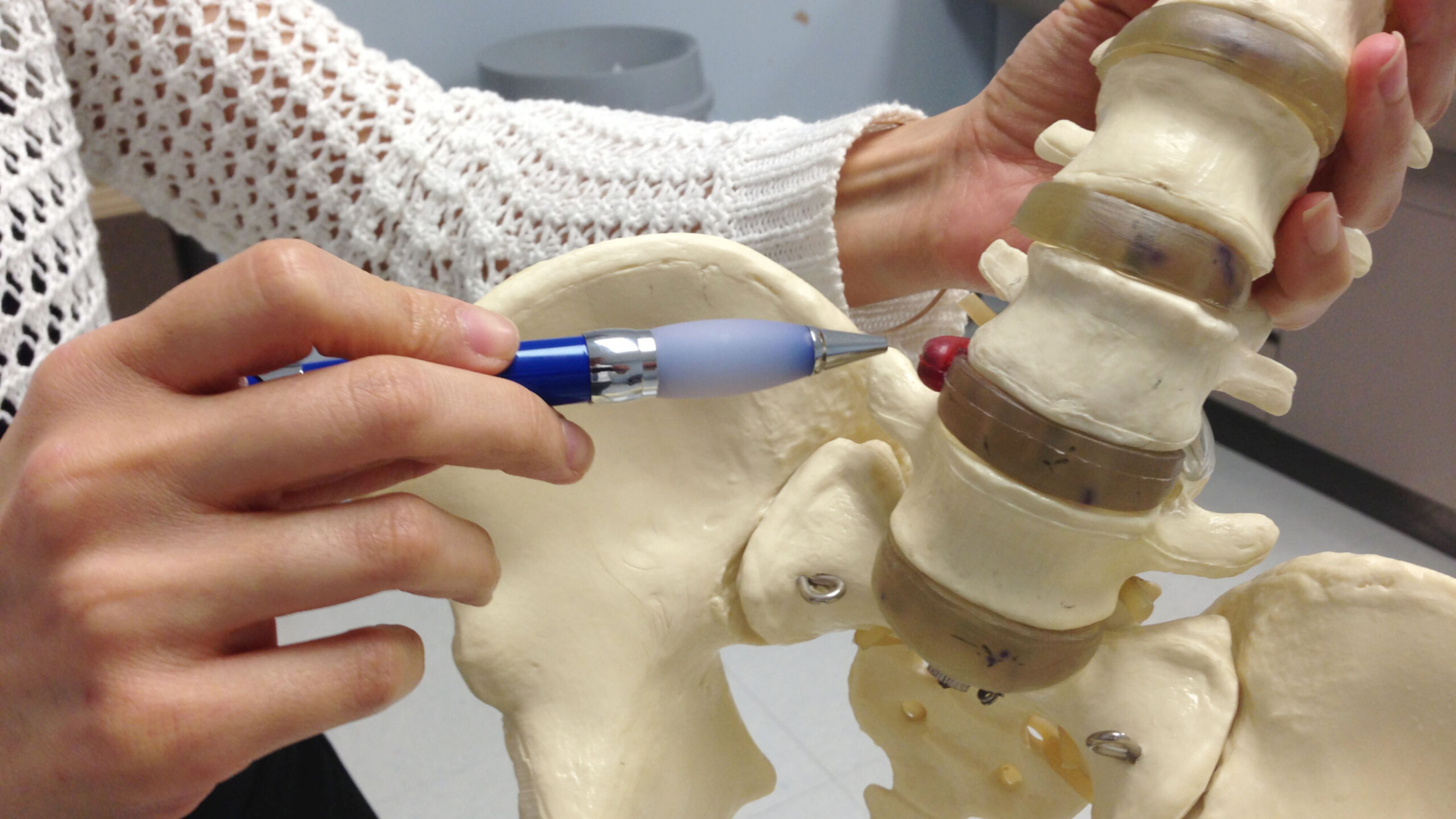
Back and neck pain can develop for many different reasons, and one common cause is changes that occur in the spinal discs over time. One of these conditions is known as degenerative disc disease.
Despite its name, degenerative disc disease is not necessarily a disease in the traditional sense. It generally refers to age-related or wear-related changes in the discs between the vertebrae. These discs help absorb shock and allow the spine to move comfortably.
For some people, these changes cause little or no discomfort. For others, they can contribute to persistent pain and reduced mobility.
What Are Spinal Discs?
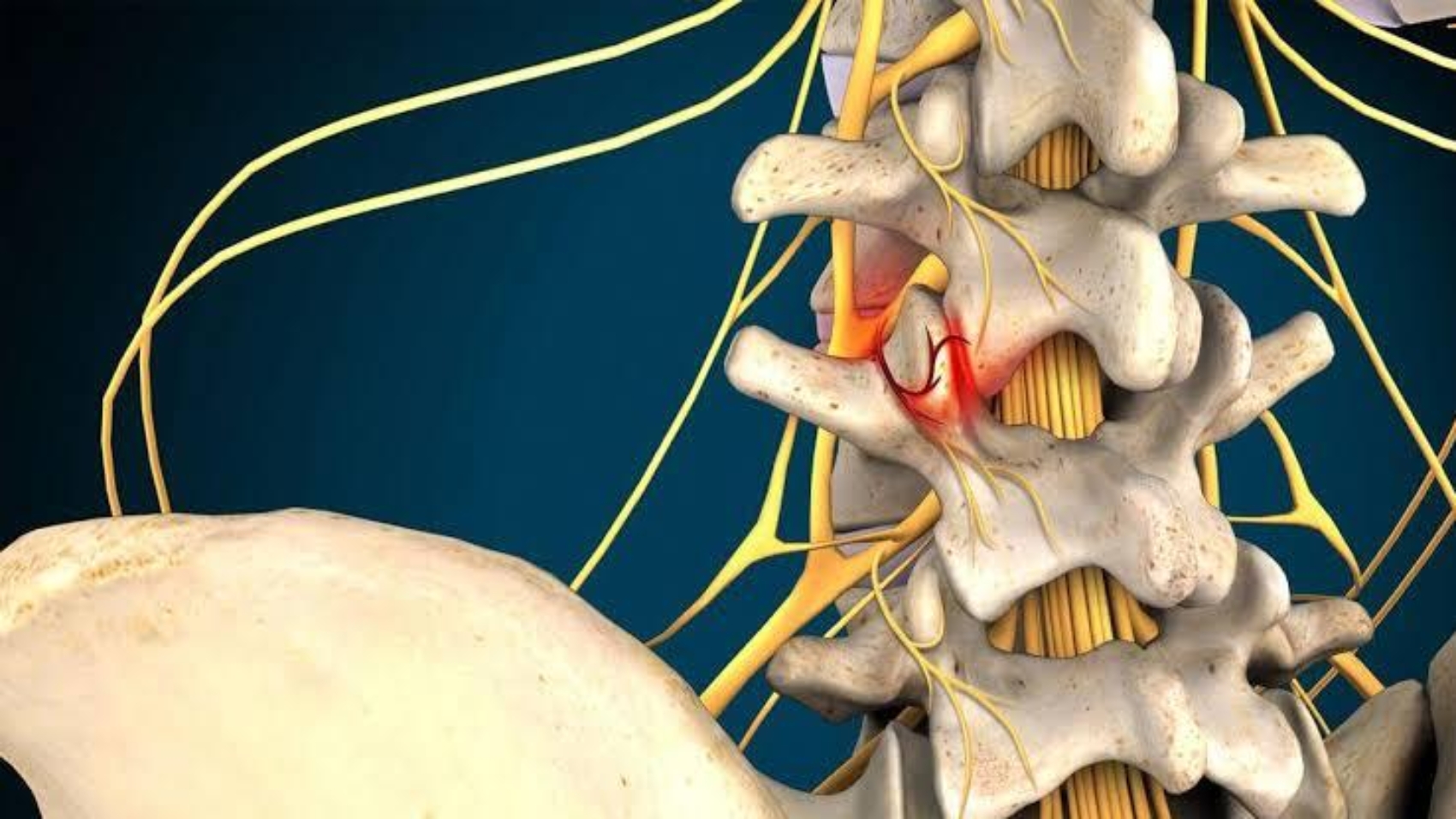
The spine is made up of individual bones called vertebrae. Between many of these bones are flexible discs that act as cushions.
A healthy disc helps:
- Absorb impact during everyday movement
- Support normal spinal motion
- Reduce stress between vertebrae
- Provide flexibility to the spine
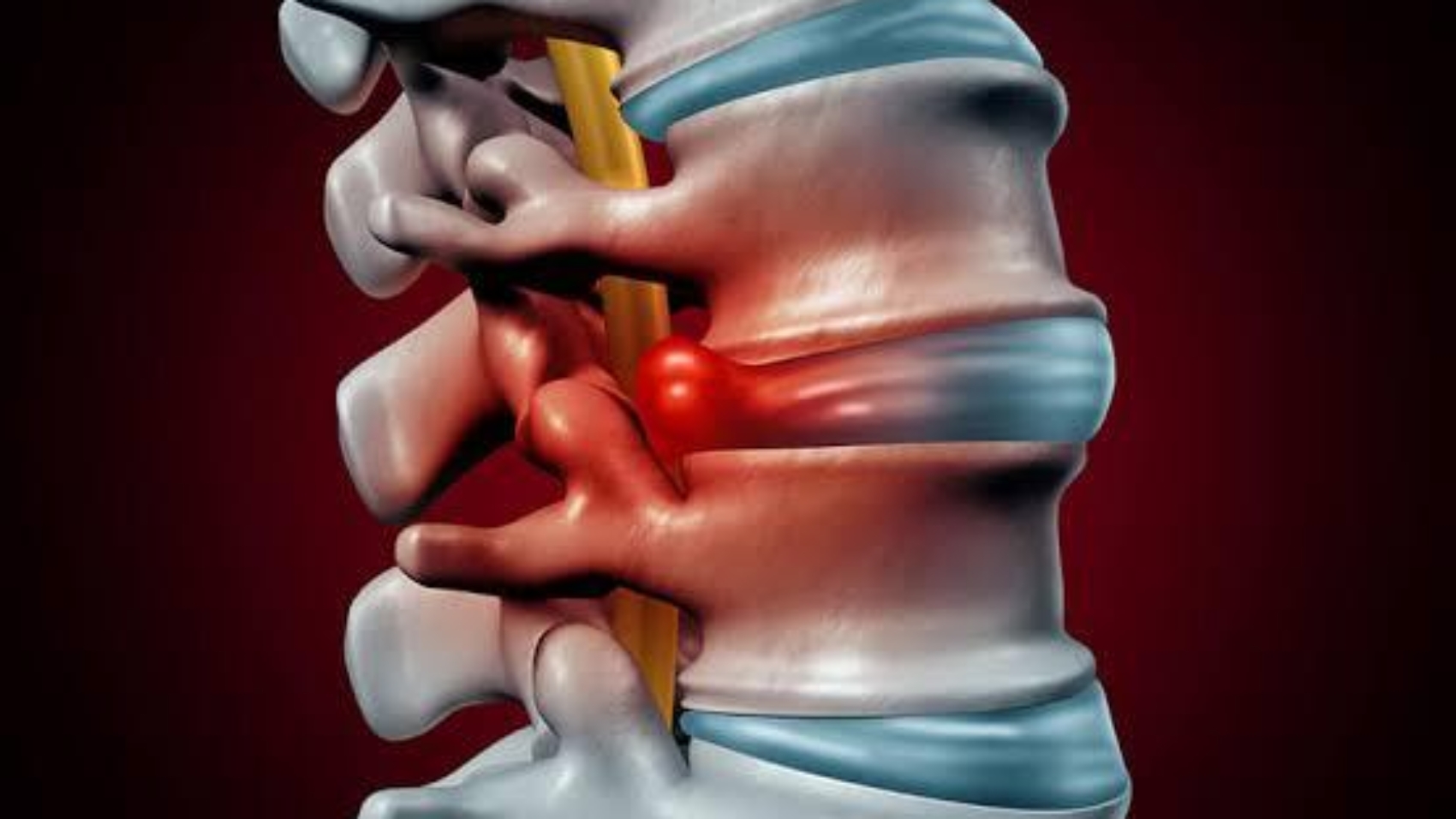
As people age, spinal discs can gradually lose some of their water content and flexibility. The discs may become thinner or less effective at absorbing stress.
These changes can happen naturally, but they do not always cause symptoms.
What Causes Degenerative Disc Changes?
Age is one of the most common factors associated with disc degeneration. However, other factors may contribute to how quickly or significantly these changes develop.
Potential contributing factors include:
- Repetitive physical stress
- Previous spinal injuries
- Heavy lifting
- Repeated bending or twisting
- Certain occupational activities
- Smoking
- Individual differences in spinal structure
It is also possible to have degenerative disc changes visible on imaging without experiencing significant pain.
What Does Degenerative Disc Disease Feel Like?
Symptoms can vary depending on where the affected disc is located and how much it is contributing to irritation or inflammation.
Possible symptoms include:
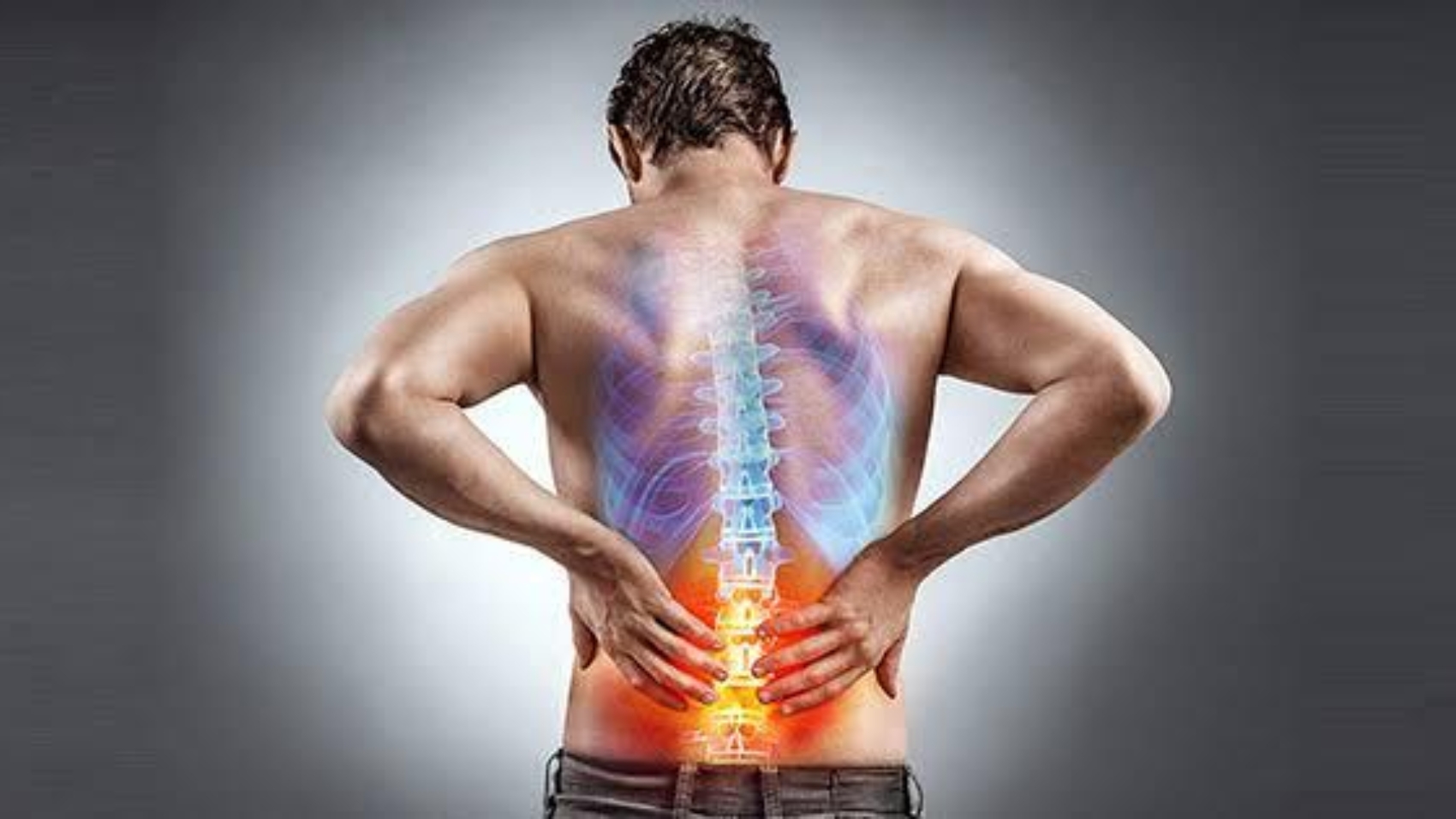
- Persistent lower back pain
- Neck pain
- Stiffness
- Pain that becomes worse with certain movements
- Discomfort after prolonged sitting or standing
- Pain that may extend into the buttocks, arms, or legs
Some people may experience periods of increased discomfort followed by periods when symptoms are less noticeable.
How Is It Diagnosed?
A healthcare professional may begin by reviewing your symptoms and medical history and performing a physical examination.
If additional evaluation is needed, imaging such as an X-ray or MRI may be considered depending on the symptoms and clinical situation.
Importantly, imaging findings are considered alongside symptoms and examination results. Disc changes seen on an image do not automatically mean they are the source of pain.
How Is Degenerative Disc Disease Treated?
Treatment depends on the severity of symptoms, the affected area, and other factors.
Depending on the individual situation, treatment may include:
- Physical therapy
- Exercise and mobility programs
- Activity modification
- Medication when appropriate
- Targeted pain management
- Injections in selected cases
- Additional specialist evaluation when necessary
The goal is generally to improve function, manage symptoms, and address factors contributing to discomfort.
When Should You Seek Care?
Occasional back or neck discomfort may improve with conservative care. However, persistent pain, worsening symptoms, numbness, weakness, or pain that interferes with everyday activities should be evaluated.
A professional evaluation can help determine whether degenerative changes or another condition may be contributing to your symptoms.
Move Forward With the Right Care
Degenerative changes in the spine are common, but persistent pain should not simply be dismissed as a normal part of aging.
At CWOPS, Center for Wellness Orthopedic, Pain & Spine, patients can receive evaluation and treatment options for a range of spine, orthopedic, and pain conditions.
If ongoing back or neck pain is affecting your daily routine, contact CWOPS at (702) 476-9700 to discuss your symptoms and available care options.