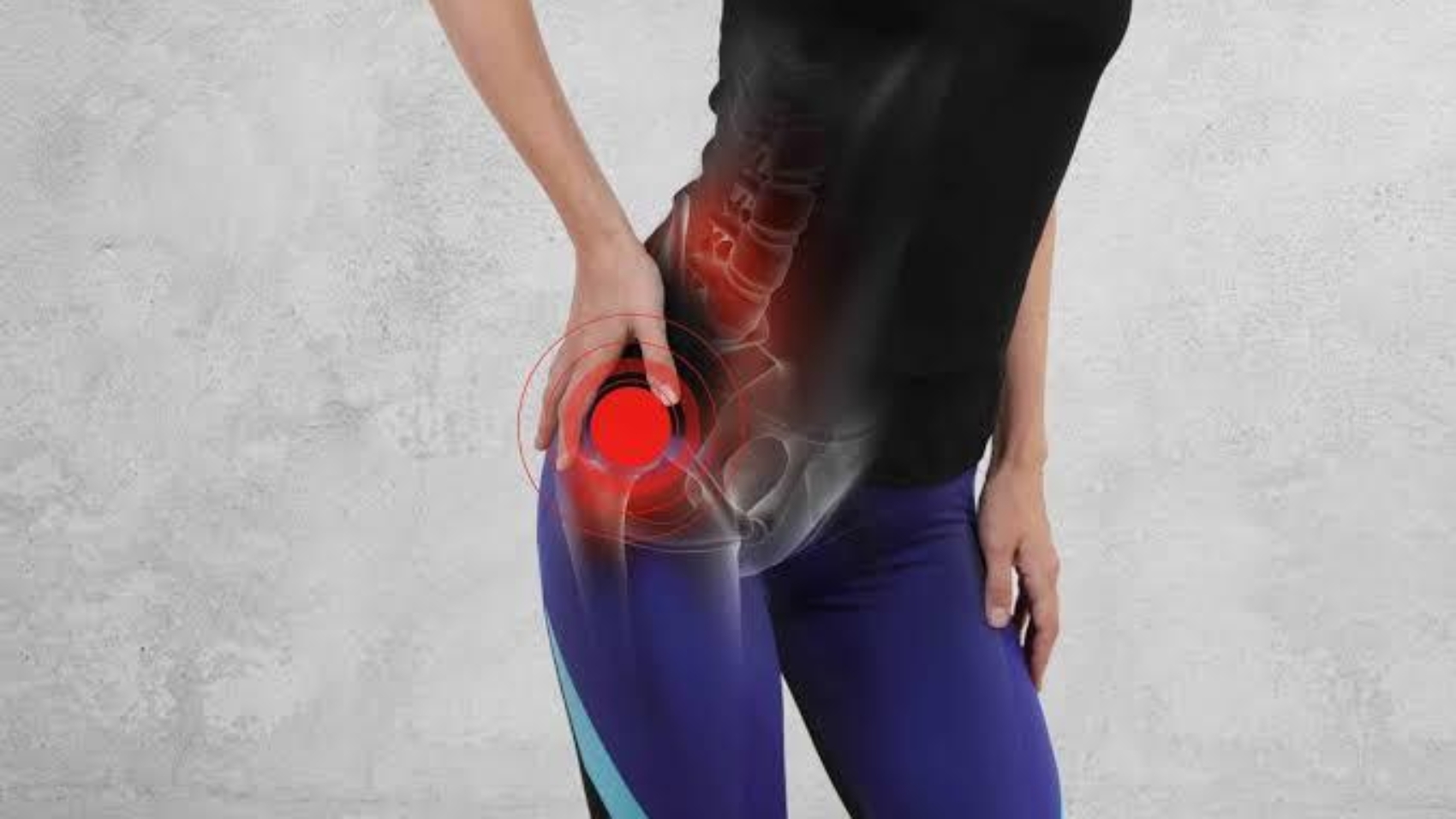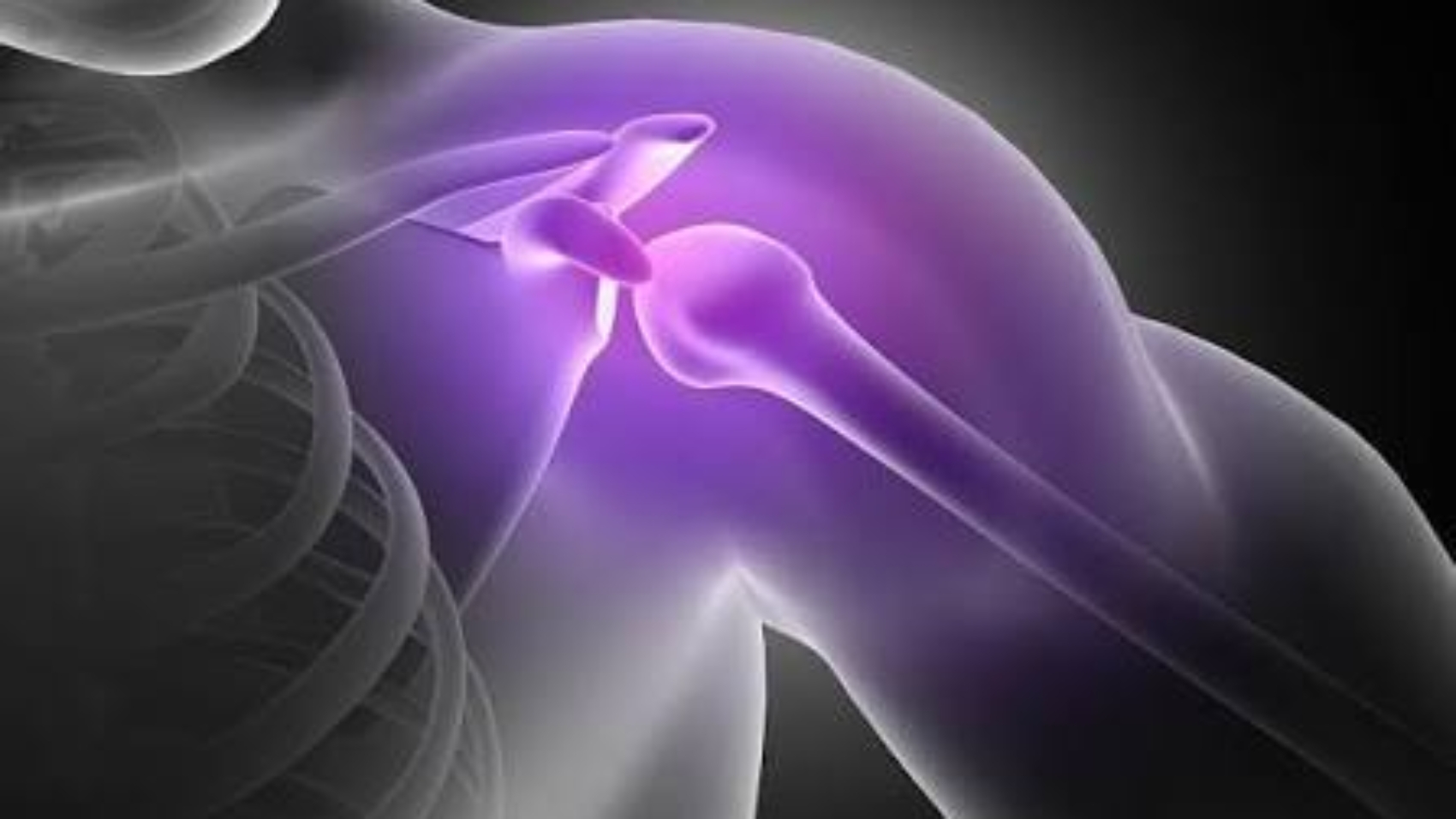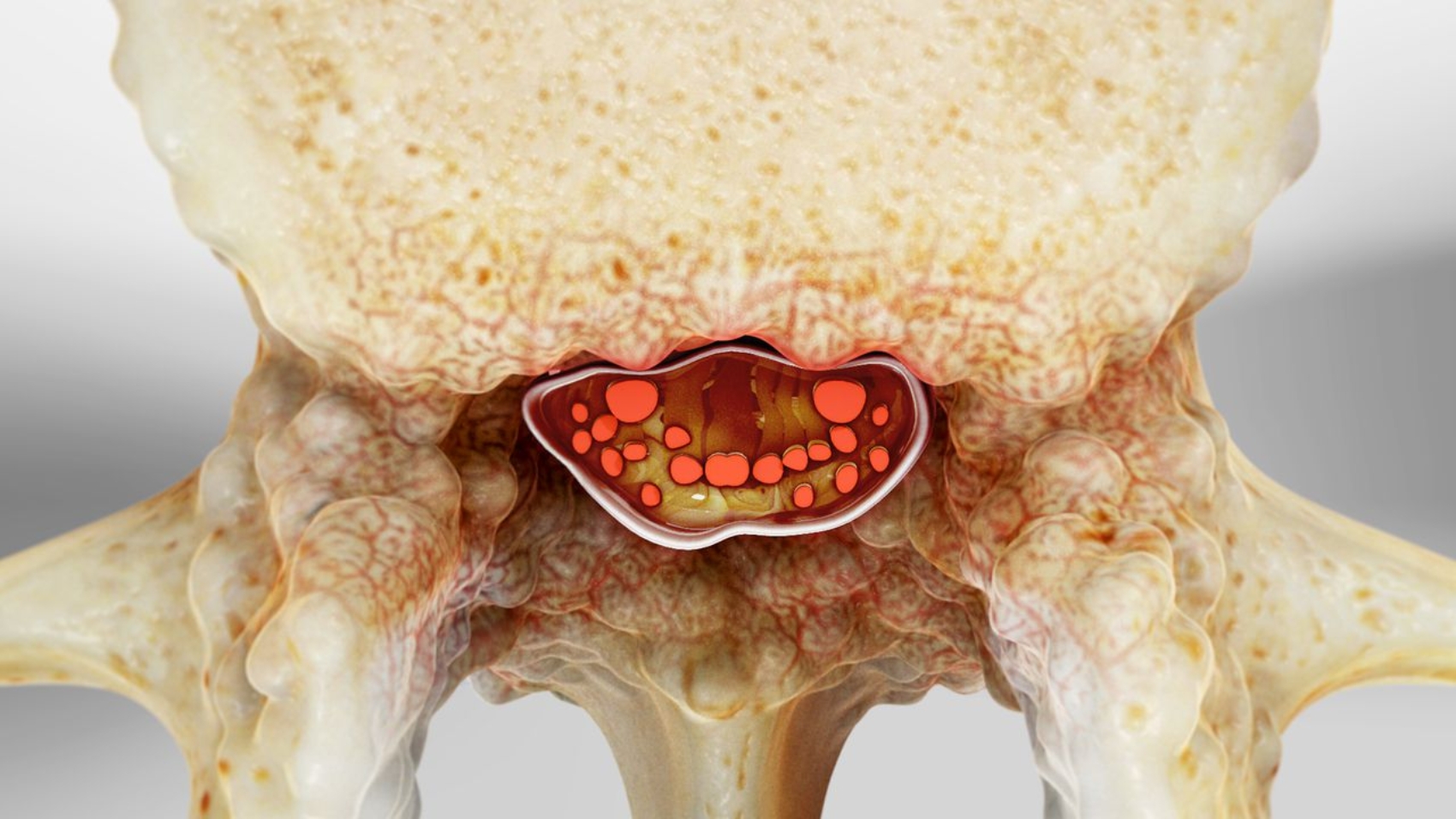
Back pain, leg discomfort, numbness, and difficulty walking can sometimes be connected to a condition known as spinal stenosis. This condition occurs when spaces within the spine become narrower, potentially putting pressure on the spinal cord or nearby nerves.
Spinal stenosis can develop gradually, and some people may not experience noticeable symptoms at first. For others, it can affect walking, balance, comfort, and everyday activities.
Understanding the condition can help you recognize potential warning signs and learn when a professional evaluation may be beneficial.
What Causes Spinal Stenosis?
The spinal canal and the openings where nerves exit the spine provide space for important nerve structures. When these spaces become narrower, nerves may become compressed or irritated.
One common cause is age-related degeneration. Over time, changes in the joints, spinal discs, and ligaments may reduce the available space around the nerves.
Other contributing factors can include:
- Arthritis and bone spur formation
- Thickening of spinal ligaments
- Bulging discs
- Previous spinal injuries
- Naturally narrow spinal anatomy
- Changes following certain spinal procedures
Spinal stenosis most commonly affects the lower back or neck, although it can occur in other areas of the spine.
What Are the Symptoms of Spinal Stenosis?
Symptoms depend on where the narrowing occurs and whether nerves are affected.
When spinal stenosis develops in the lower back, possible symptoms include:
- Lower back discomfort
- Pain in the buttocks or legs
- Numbness or tingling in the legs
- Leg weakness
- Difficulty walking for extended periods
- Symptoms that improve when sitting or leaning forward
Some people find that standing or walking makes their symptoms worse, while sitting provides temporary relief.
When stenosis affects the neck, symptoms may involve neck discomfort, numbness or weakness in the arms, or changes in hand coordination. In more serious cases, it can affect balance and walking.
How Is Spinal Stenosis Diagnosed?
A healthcare professional may review your symptoms, medical history, and physical examination findings. Your walking ability, strength, sensation, and reflexes may also be assessed.
Imaging, such as an MRI, may be recommended when appropriate to evaluate the spinal canal and surrounding structures.
However, imaging findings must be considered alongside symptoms. Not everyone with spinal narrowing experiences pain, and the presence of stenosis on an image does not automatically explain every symptom.
What Treatment Options Are Available?
Treatment depends on the severity of symptoms, the location of the narrowing, and its effect on daily function.
Depending on the individual situation, treatment may include:
- Physical therapy and appropriate exercises
- Activity modification
- Medication when appropriate
- Targeted injections in selected cases
- Other pain management approaches
- Surgical evaluation for significant or progressive nerve compression
The goal is to improve comfort and function while addressing the underlying problem as effectively as possible.
When Should You Seek Medical Attention?
Persistent back or neck pain, recurring leg symptoms, or difficulty walking should be evaluated if they are affecting your daily routine.
Seek urgent medical attention if you develop new bladder or bowel control problems, numbness around the groin or saddle area, or rapidly worsening weakness. These symptoms may indicate serious nerve compression.
Get Help for Persistent Spine Symptoms
Spinal stenosis does not affect everyone in the same way. A professional evaluation can help determine whether spinal narrowing may be contributing to your symptoms and which treatment options may be appropriate.
At CWOPS, Center for Wellness Orthopedic, Pain & Spine, patients can explore evaluation and care options for a range of spine and pain conditions.
If back pain, leg discomfort, or reduced walking tolerance is affecting your quality of life, contact CWOPS at (702) 476-9700 to discuss your symptoms and available care options.